


Around three million people worldwide live with chronic pancreatitis, a debilitating condition marked by persistent inflammation, scarring, and severe pain. Once established, the disease is notoriously hard to reverse, leaving patients with limited options and researchers with a pressing need for more precise, mechanism-based therapies.
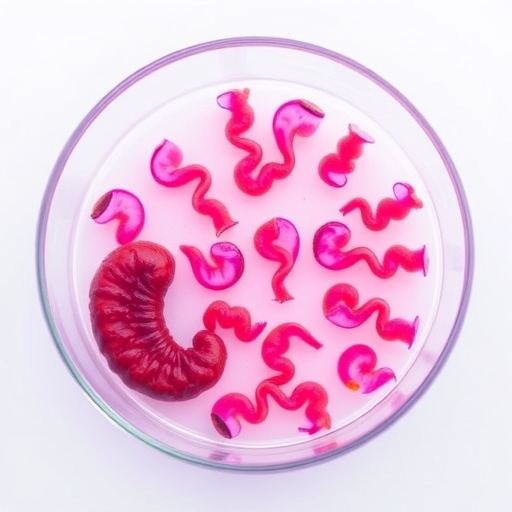
In a new study in Cell Stem Cell (June 30, 2026), scientists at the Salk Institute build a patient-derived organoid platform to dissect how chronic pancreatitis develops at the molecular level. Organoids are three-dimensional miniature tissues grown from patient cells, retaining key features of the original organ environment rather than relying on generic cell lines.
The team generated 37 organoid lines from donors whose chronic pancreatitis arose through different routes, including spontaneous disease, genetic factors, and other causes. Each line was validated to mirror the corresponding patient tissue, including the presence of relevant proteins and inflammatory signals—an essential step for connecting bench findings to individual disease biology.
Molecular profiling revealed consistent dysfunction in the cystic fibrosis transmembrane conductance regulator (CFTR). Because CFTR governs ion transport and epithelial behavior, impaired function can reshape ductal cell physiology and amplify inflammatory pathways.
Crucially, the researchers identified three biology-defined subtypes of chronic pancreatitis, suggesting that patients categorized by clinical symptoms may not share the same underlying drivers. This stratification could help clinicians choose therapies more rationally, moving beyond cause-of-onset labels.
About half of the organoids showed CFTR dysfunction, including many without inherited CFTR mutations. The result points to a potential gap in purely genetics-based screening and highlights the value of functional testing.
To test whether existing drugs might help, the researchers evaluated clinically available CFTR modulators—developed primarily for cystic fibrosis. In responsive pancreas organoids, these compounds stabilized or restored CFTR activity and reduced inflammatory signaling, supporting a translational path toward trials.
The study also surfaced rare alterations in cancer-associated genes, including KRAS and TP53, in some organoid lines. That observation suggests the organoid system could be used to explore how chronic inflammation interfaces with pancreatic cancer risk.
By providing a human-cell model that preserves patient-specific disease mechanisms, the organoid platform offers a viral-style glimpse of what comes next: faster target discovery, personalized therapeutic testing, and a clearer route from molecular dysfunction to improved clinical outcomes.
Subject of Research: Chronic pancreatitis; CFTR dysfunction; patient-derived organoids
Article Title: Patient-derived organoids reveal ductal dysfunction and CFTR modulator responses in chronic pancreatitis
News Publication Date: 30-Jun-2026
Web References: https://www.cell.com/cell-stem-cell/fulltext/S1934-5909(26)00228-6 ; http://dx.doi.org/10.1016/j.stem.2026.06.002
References: 10.1016/j.stem.2026.06.002
Image Credits: Salk Institute
Keywords: organoids; chronic pancreatitis; CFTR; ductal dysfunction; personalized medicine; inflammation; Cell Stem Cell
Tags: CFTR dysfunctionchronic pancreatitisdisease-in-a-dishinflammation and fibrosis in pancreatic diseaseinflammation in pancreatitismechanisms-based therapiesmolecular profiling of pancreatitisorganoid modelspancreatic tissue engineeringpatient-derived organoidsPersonalized Medicinesubtype classification of chronic pancreatitis


