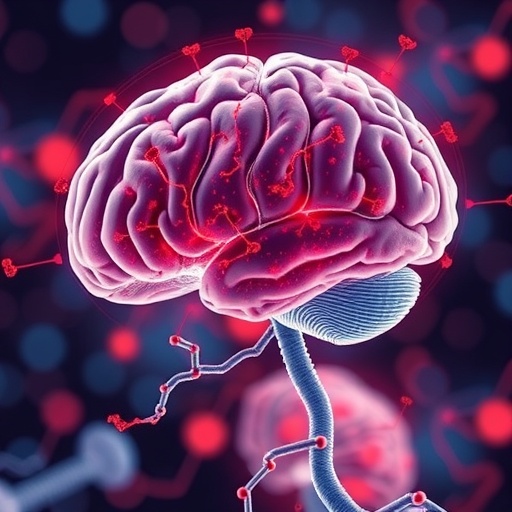
A groundbreaking study from the Institute of Science Tokyo reveals a novel molecular mechanism that limits the brain’s innate ability to recover after stroke, illuminating new therapeutic avenues to extend this critical recovery window. Stroke-induced neurological damage often leaves patients with lasting disabilities, partially due to the brain’s diminishing self-repair capacity shortly after injury. This research, published in Nature, identifies a key transcription factor that undermines microglial reparative function, offering hope for enhanced long-term recovery.
Microglia, the brain’s resident immune cells, are central players in post-stroke repair. Initially, they trigger inflammation to address injury, then swiftly shift to a reparative mode, secreting growth factors such as insulin-like growth factor 1 (IGF1). These factors support remyelination, strengthen synaptic connections, and promote neurological function restoration. However, this reparative phase typically lasts only about two months, after which the brain’s spontaneous recovery sharply declines.
The research team, led by Assistant Professor Jun Tsuyama and Professor Takashi Shichita, pinpointed the transcription factor ZFP384 as a molecular switch that curtails microglial repair activities. They demonstrated that rising levels of ZFP384 interfere with chromatin interactions mediated by the protein YY1, essential for activating genes involved in neural repair. This disruption effectively silences reparative gene programs, causing microglia to lose their healing functions precisely when recovery demands persist.
Intriguingly, genetic deletion of Zfp384 specifically in microglia in mouse stroke models preserved their reparative gene expression long past the usual timeframe. As a result, these mice exhibited enhanced remyelination of damaged nerve fibers and greater synaptic plasticity, translating to markedly improved functional recovery. This finding underscores the therapeutic potential of sustaining intrinsic microglial repair mechanisms.
Building on this, the team developed an antisense oligonucleotide (ASO) targeting Zfp384, designed to selectively inhibit its expression. Administering ASO-Zfp384 extended the reparative state of microglia and improved neurological outcomes even when treatment began one week or one month post-stroke—well beyond the conventional intervention window. Unlike traditional anti-inflammatory approaches, this strategy preserves the brain’s endogenous healing program, offering a paradigm shift in stroke therapy.
Analysis of human stroke patient tissues revealed a similar inverse relationship between ZNF384 (the human equivalent of ZFP384) and IGF1 expression, suggesting this mechanism is conserved across species and clinically relevant. These insights pave the way for translational studies aimed at harnessing ZFP384-targeting interventions to reduce stroke-related disability.
This research not only advances understanding of the molecular brakes on brain repair but also promotes a broader concept: enhancing the body’s own regenerative capacity rather than attempting to replace damaged tissue. Future investigations will evaluate the safety and efficacy of ZFP384 inhibition in larger preclinical models, setting the stage for clinical trials that may transform stroke rehabilitation and improve millions of lives worldwide.
Subject of Research: Molecular mechanisms regulating microglial reparative function post-stroke
Article Title: Sustaining microglial reparative function enhances stroke recovery
News Publication Date: July 9, 2026
Web References: http://dx.doi.org/10.1038/s41586-026-10480-0
Image Credits: Institute of Science Tokyo (Science Tokyo)
Keywords: Stroke, Microglia, Brain Repair, ZFP384, Neuroinflammation, Neural Recovery, Antisense Oligonucleotide, Neuroplasticity
Tags: brain self-healing after strokechromatin interactions in neural repairextending brain’s recovery window post-strokeinsulin-like growth factor 1 (IGF1) in neuroregenerationmicroglia-mediated neuroprotectionmicroglial repair mechanismsmolecular targets for stroke therapyneural remyelination and synaptic repairneuroinflammation and repairnovel therapeutic strategies for stroke rehabilitationstroke recoveryZFP384 transcription factor