A recent randomized clinical trial suggests that auriculotherapy, a form of acupuncture targeting specific points on the ear, may reduce migraine pain and improve patients’ quality of life. Presented at the Federation of European Neuroscience Societies (FENS) Forum 2026, the study investigated cerebral hemodynamics and pain modulation in women suffering from chronic migraine.
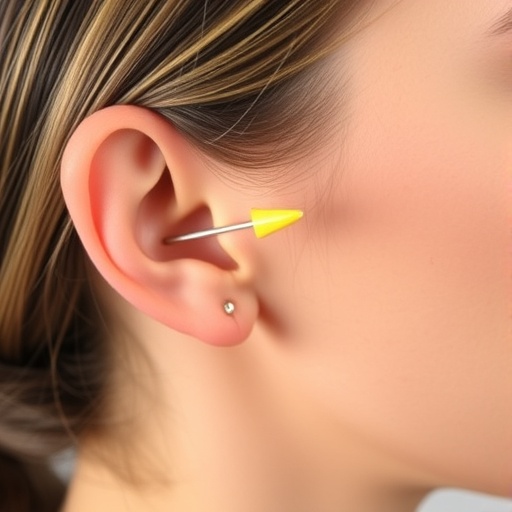
Led by physiotherapist Fernanda Belle from the University of Southern Santa Catarina (UNISUL), Brazil, the trial involved 68 women diagnosed with migraines occurring at least 15 days monthly. The participants were randomly divided to receive either auriculotherapy—semi-permanent needles stimulating migraine-related auricular points followed by mustard seed application—or a sham procedure targeting unrelated ear points, also maintained with mustard seeds.
Pain intensity and migraine impact on daily life were measured using the McGill Pain Questionnaire and the Headache Impact Test (HIT-6) at three intervals: prior to treatment, immediately afterward, and 30 days post-treatment. Both groups exhibited significant pain reductions and improved daily function scores over time. In the auriculotherapy group, pain scores decreased by approximately 18% at 30 days, whereas the sham group showed a 13% reduction. However, statistical analysis revealed no significant superiority of auriculotherapy over the sham treatment in pain relief or functional impact.
Neurophysiological assessments employed hemoencephalography (HEG®), a non-invasive near-infrared spectroscopy technique, to monitor prefrontal cortex blood flow and oxygenation as indirect markers of neural activity. Both groups displayed changes in oxygenation levels throughout the study, although distinct temporal patterns between auriculotherapy and sham groups remained unclear. These findings underscore the feasibility of objectively tracking cerebral hemodynamic responses in chronic migraine sufferers undergoing complementary treatments.
Auriculotherapy’s potential therapeutic mechanisms may relate to its modulation of the neuroimmune axis—a bidirectional communication system between the nervous and immune systems implicated in pain sensitization and inflammation. The ear’s neural connections to the vagus, trigeminal, and cervical nerves, all involved in nociception and autonomic regulation, provide a plausible anatomical basis for such modulation.
As a complementary modality rather than a replacement for standard migraine management, auriculotherapy presents a promising adjunctive strategy, particularly considering the high prevalence and disabling nature of migraines in women. Still, researchers acknowledge the need for larger-scale investigations to corroborate these preliminary outcomes and elucidate underlying biological pathways.
Professor Christina Dalla, an expert in neuropsychopharmacology, applauded the study’s rigorous methodology and emphasized the importance of complementary approaches alongside conventional therapies. With further validation, auriculotherapy could enrich multidisciplinary migraine care and improve patient-centered outcomes.
Subject of Research:
People
Article Title:
Auriculotherapy modulates cerebral hemodynamics and pain in women with migraine: a randomized double-blind trial
News Publication Date:
10-Jul-2026
Image Credits:
Fernanda Belle
Keywords:
Migraines, Headaches, Acupuncture, Clinical studies, Clinical trials, Pain
Tags: acupuncture point stimulation for chronic headachesauriculotherapy clinical trialcerebral hemodynamics in migraineear acupuncture for migraine reliefear acupuncture pain managementefficacy of auriculotherapy compared to placeboHeMOencephalography in migraine researchmigraine quality of life improvementmigraine treatment non-pharmacologicalneurophysiological effects of auriculotherapynon-invasive migraine pain reductionsham-controlled ear acupuncture study