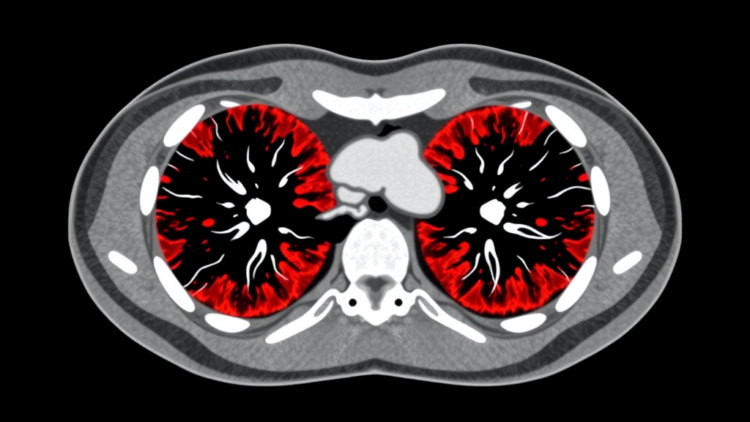
In a groundbreaking study published in the British Journal of Cancer, researchers have unveiled pivotal insights into the real-world application of immunotherapy in treating advanced non-small cell lung cancer (NSCLC) patients burdened with comorbidities. This comprehensive analysis pioneers understanding in the stratification of immunotherapy outcomes, particularly amidst patients presenting with complex health profiles beyond the cancer diagnosis itself. Such advancements arrive at a critical juncture, reflecting an urgent need to tailor oncological treatments amidst an aging population where comorbid conditions are not an exception but a norm.
Immunotherapy, widely acclaimed for its revolutionary impact in oncology, harnesses the body’s immune system to recognize and combat malignancies more effectively than traditional chemotherapies or radiation strategies. Despite its promise, the heterogeneity of patient backgrounds—especially those with comorbid diseases—poses significant challenges in predicting therapeutic efficacies and tolerability. This study meticulously explores these uncharted territories by systematically assessing treatment outcomes within a real-world clinical setting, moving beyond the often-controlled environments of clinical trials.
Patients with NSCLC frequently suffer from concurrent illnesses such as cardiovascular diseases, diabetes, or chronic obstructive pulmonary disease (COPD), which can dramatically influence cancer progression as well as response to therapy. The intricate interplay between these comorbidities and tumor biology creates a convoluted therapeutic landscape that necessitates finely tuned clinical decision-making frameworks. Researchers employed a robust, observational cohort methodology, synthesizing extensive patient records to distill robust prognostic indicators that transcend traditional staging and biomarker assessments.
One of the striking revelations from this study involves the nuanced impact of specific comorbid conditions on the efficacy of immune checkpoint inhibitors (ICIs), a class of agents revolutionizing NSCLC treatment paradigms. The data portrayed a heterogeneous response spectrum, underscoring that certain comorbidities might either potentiate immune activation pathways or conversely hinder immune-mediated tumor eradication, highlighting the essentiality of personalized therapeutic strategies.
The researchers delve deeply into the mechanistic underpinnings connecting systemic inflammation—both cancer-driven and comorbidity-induced—and immunotherapy response. Chronic inflammatory states, known to pivotally shape the tumor microenvironment, can either foster immune evasion or, conversely, prime immune effector cells. By integrating biomarker profiling, including inflammatory cytokine levels and immune cell phenotyping, the study delineates how these factors modulate checkpoint blockade efficacy, offering a potential roadmap for risk stratification.
Crucially, the study also addresses the risk profile associated with immunotherapy in comorbid patients, particularly focusing on immune-related adverse events (irAEs). The data elucidate that while irAEs remain a critical consideration, their frequency and severity are variably influenced by the nature and burden of comorbidities. This insight lays the foundation for developing proactive management protocols, tailoring vigilance levels according to individual patient risk factors, and thereby optimizing therapeutic windows.
In addition to clinical and biological insights, the research places significant emphasis on patient-reported outcomes and quality-of-life indices, advocating for a holistic approach in treatment evaluation. The findings suggest that while immunotherapy extends survival metrics, the interplay with comorbid conditions can modulate daily functioning and symptomatic burden, necessitating integrated multidisciplinary care pathways.
From a pharmacokinetic perspective, the investigation sheds light on how comorbidities might influence immune checkpoint blockade metabolism and clearance, with implications for dose adjustments and scheduling. These insights prompt consideration of dynamic dosing regimens based on real-time biomarker feedback, moving towards precision immuno-oncology.
Moreover, the study highlights potential therapeutic synergies and pitfalls when combining immunotherapy with treatments addressing comorbid conditions. For instance, concurrent administration of corticosteroids or other immunosuppressants commonly used in managing comorbid ailments may attenuate immunotherapy efficacy, underscoring the need for balancing immunomodulation.
The geographical and demographic diversity of the studied cohort enhances the generalizability of the findings and uncovers disparities in treatment accessibility and outcomes. Such disparities underscore systemic healthcare challenges that must be addressed to ensure equitable delivery of cutting-edge therapies across varied patient populations.
Importantly, this research contributes to refining clinical guidelines by incorporating nuanced patient stratification parameters that extend beyond tumor characteristics to encompass systemic health status. Such evolution in guidelines would empower oncologists to better align therapeutic intent with individualized patient profiles, culminating in optimized benefit-risk ratios.
This investigational milestone paves the way for future prospective trials that can validate the prognostic models identified, facilitate biomarker-driven patient selection, and evaluate combinatorial strategies to harness immune responses despite comorbid impediments. These future directions hold promise for transforming NSCLC care paradigms.
In conclusion, the real-world evidence provided herein underscores the complexity inherent in treating advanced NSCLC patients with concurrent diseases and delineates a strategic framework for integrating immunotherapy into such multifaceted clinical scenarios. This study marks a pivotal stride towards embedding precision and personalization at the core of oncological care in a patient population reflective of everyday clinical practice rather than idealized trial cohorts.
The findings prompt not only oncological communities but also multidisciplinary stakeholders to rethink therapeutic approaches, balancing innovation with pragmatism while steadfastly centering patient-centric outcomes. As immunotherapy continues to redefine cancer treatment, incorporating comorbidity-aware models will be paramount for achieving enduring survival benefits and improving quality of life for this vulnerable and expanding patient demographic.
Subject of Research: The study focuses on evaluating the real-world outcomes of immunotherapy in advanced non-small cell lung cancer (NSCLC) patients who also suffer from various comorbid conditions.
Article Title: Real-world outcomes of immunotherapy in advanced NSCLC patients with comorbidities.
Article References:
Hektoen, H., Tsuruda, K., Mæhlen, M. et al. Real-world outcomes of immunotherapy in advanced NSCLC patients with comorbidities. Br J Cancer (2026). https://doi.org/10.1038/s41416-026-03491-1
Image Credits: AI Generated
DOI: 08 June 2026
Tags: cardiovascular comorbidities and lung cancerchallenges in cancer immunotherapyCOPD and immunotherapy outcomesdiabetes influence on NSCLC therapyheterogeneity in cancer patient backgroundsimmunotherapy outcomes in advanced NSCLCimpact of comorbid diseases on cancer treatmentnon-small cell lung cancer with comorbiditiesoncology treatment in elderly patientspersonalized cancer treatment strategiesreal-world immunotherapy effectivenessstratification of immunotherapy responses