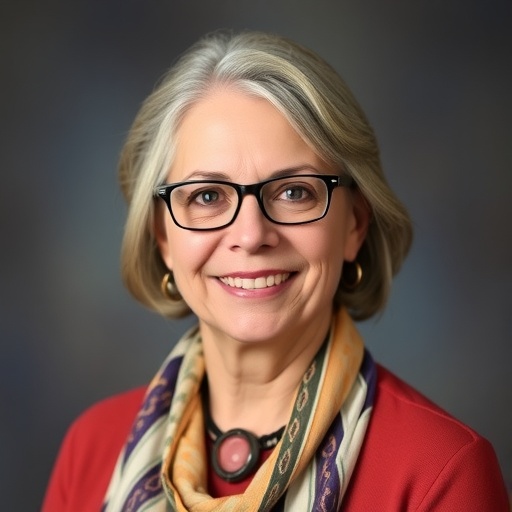
Dr. Mina Sedrak, a leading figure in the intersection of oncology and geriatric medicine, has been appointed co-chair of the Cancer in the Older Adult Committee for The Alliance for Clinical Trials in Oncology. This prestigious committee operates under the aegis of the National Cancer Institute, harnessing a nationwide collaborative network dedicated to advancing clinical research on cancer. The committee’s mandate is singularly focused: to address and prioritize the nuanced and often complex medical needs of cancer patients aged 65 and older in clinical trial settings.
The Alliance for Clinical Trials in Oncology represents a broad coalition committed to enhancing the scientific community’s understanding of cancer across diverse populations. Within this framework, the Cancer in the Older Adult Committee is pivotal in refining study protocols and interventions that specifically cater to the elderly demographic, so frequently underrepresented in oncology research. Central to the committee’s mission is the evaluation of geriatric assessments, which integrate physical, cognitive, and psychosocial dimensions, and the critical appraisal of treatment toxicities alongside quality of life metrics during clinical trials.
In his co-chair role, Dr. Sedrak will collaborate closely with Dr. Vijaya Raj Bhatt from the University of Nebraska Medical Center, bringing a wealth of clinical and research expertise to direct investigations aimed at improving therapeutic outcomes and supportive care paradigms for older adults facing cancer diagnoses. Their joint vision emphasizes a multidisciplinary approach, recognizing that aging biology profoundly influences cancer progression, treatment tolerance, and survivorship trajectories.
Dr. Sedrak has long championed the imperative to recalibrate cancer research priorities to better include older adults, who constitute the majority of new cancer cases yet remain dramatically underrepresented in clinical trials. He underscores that conventional oncologic studies often fail to capture the heterogeneity of this group, partly because aging entails a constellation of comorbidities, functional limitations, and physiological vulnerabilities that can modify treatment efficacy and side effect profiles.
His scientific contributions extend to elucidating the interplay between cancer therapies and aging biology. Using geriatric oncology frameworks, Dr. Sedrak’s research aims to unravel mechanisms by which cancer treatments may accelerate biological aging or exacerbate age-associated syndromes such as frailty, cognitive decline, and reduced resilience. Understanding these interactions is fundamental to tailoring interventions that not only prolong life but optimize health span—allowing older survivors to live more years free from disability and with preserved independence.
Clinical trials that incorporate comprehensive geriatric assessments are a cornerstone of this shift. These assessments evaluate multiple domains, including functional status, comorbid medical conditions, cognitive function, nutritional status, psychological health, and social factors. By integrating this multidimensional data, researchers can better stratify risk, predict treatment toxicity, and individualize treatment plans in older adults, thereby maximizing therapeutic benefits while minimizing harm.
Another facet of Dr. Sedrak’s work is the rigorous examination of treatment toxicity patterns in the elderly. Age-related declines in organ function and cumulative health burdens can substantially alter pharmacodynamics and pharmacokinetics, influencing how drugs are metabolized and cleared. This necessitates novel dosing strategies and supportive care measures to mitigate adverse effects, maintain quality of life, and sustain patients’ functional capacity throughout the course of treatment.
Quality of life (QoL) research within the aging cancer population is equally imperative. Dr. Sedrak emphasizes that mere survival metrics are insufficient to judge success; rather, patient-reported outcomes related to physical, emotional, and social well-being must be integrated into study endpoints. This holistic perspective aligns treatment goals with patient values, ensuring that longevity does not come at the expense of meaningful, active living.
The committee’s work is further informed by demographic trends. An aging global population means that the proportion of older adults with cancer will continue to rise. Hence, research tailored to this demographic is not simply beneficial but essential to manage future cancer care burdens effectively. The committee advocates for policy changes and funding reallocations to support geriatric oncology research infrastructures and education initiatives.
Dr. Sedrak’s academic role at the David Geffen School of Medicine at UCLA situates him at the nexus of translational research, where clinical insights inform laboratory investigations and vice versa. His interdisciplinary collaborations encompass oncologists, geriatricians, pharmacologists, and biostatisticians, aimed at refining predictive models for toxicity and outcomes in elderly patients. His approach exemplifies precision medicine applied to the unique biology of aging in oncology.
The emphasis on survivorship is transformative. Traditionally, cancer survivorship research concentrated on younger populations; however, Dr. Sedrak advocates for expanding this focus to incorporate age-related functional recovery and mitigation of late effects. His vision challenges the oncology community to redefine success, emphasizing not only longer survival but enhanced functional independence and dignity in older patients.
In summary, Dr. Mina Sedrak’s selection as co-chair heralds a significant advance in addressing the deficits in cancer research for older adults. His leadership and scientific expertise will propel forward the development of clinical trials and care models that are inclusive, comprehensive, and attuned to the complexities of aging biology. Through this work, the oncology field moves closer to achieving equitable, effective, and compassionate care for an aging population facing cancer.
Subject of Research: Geriatric oncology, clinical trials, cancer treatment in older adults, aging biology and cancer survivorship
Article Title: Dr. Mina Sedrak Appointed Co-Chair to Drive Progress in Cancer Research for Older Adults
News Publication Date: Not provided
Web References: https://www.uclahealth.org/providers/mina-sedrak, https://www.uclahealth.org/cancer
Keywords: Cancer, older adults, geriatric assessment, clinical trials, treatment toxicity, quality of life, survivorship, aging populations, oncology research
Tags: Alliance for Clinical Trials in Oncologycancer care for older adultscancer clinical trial protocol developmentclinical research on cancer in seniorsco-leadership in oncology committeesgeriatric assessment in cancer treatmentgeriatric oncology clinical trialsmultidisciplinary cancer care for elderlyNational Cancer Institute oncology researchquality of life in older cancer patientstreatment toxicities in elderly cancer patientsunderrepresentation of elderly in cancer research