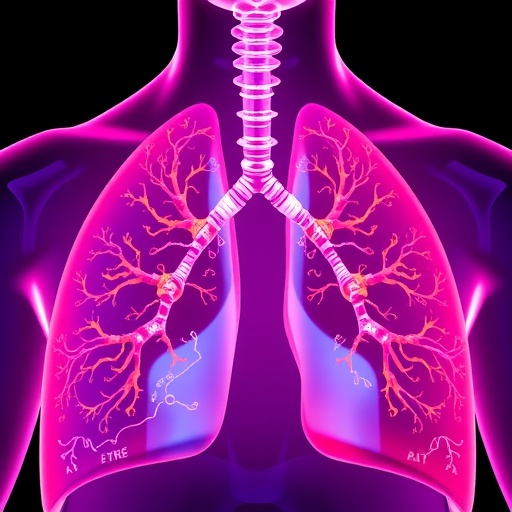
A groundbreaking article recently published in the open-access journal BIO Integration presents a transformative perspective on the pathogenesis of pulmonary fibrosis (PF), a relentless and fatal interstitial lung disease. Pulmonary fibrosis is characterized by the progressive destruction of the alveolar architecture, the excessive proliferation of fibroblasts, and the abnormal accumulation of extracellular matrix components. Despite decades of research, the intricate molecular pathways and cellular mechanisms driving PF remain incompletely understood, presenting a substantial barrier to the development of effective therapies.
This new publication delves into the emerging role of lactate, a metabolic byproduct traditionally viewed merely as the end product of anaerobic glycolysis. Recent advances in cellular metabolism, especially following the resurgence of interest sparked by the Warburg effect, have redefined lactate as a crucial signaling molecule, fundamentally altering our understanding of cellular bioenergetics. The authors focus on lactate-induced post-translational modifications (PTMs), particularly lactylation, which is a novel biochemical modification whereby lactate contributes to the modification of histone and non-histone proteins, thereby regulating gene expression and cellular function.
In the fibrotic lung microenvironment, metabolic reprogramming is a hallmark feature, with an aberrant accumulation of lactate reported in disease-affected tissues. This metabolic shift not only supports the bioenergetic and biosynthetic demands of activated fibroblasts but also influences the epigenetic landscape through lactylation. The study underscores how lactylation serves as a critical nexus linking altered cellular metabolism with profibrotic gene transcription, thereby promoting fibroblast activation and differentiation — key processes in the relentless progression of PF.
The authors comprehensively review the emerging evidence that implicates lactate and lactylation as pivotal mediators in the fibrotic cascade. The pathologic milieu of PF, characterized by hypoxia and inflammation, fosters a metabolic environment conducive to elevated lactate production. Through lactylation, lactate modifies histones, altering chromatin structure and facilitating the transcription of genes that drive fibrosis. This epigenetic regulation presents a compelling mechanism by which metabolic dysregulation translates into pathogenic cellular behavior.
Furthermore, the article explores the translational ramifications of targeting lactylation pathways for therapeutic intervention. By modulating the enzymes responsible for lactylation or disrupting lactate production and signaling, there lies potential to ameliorate or halt fibrotic progression. These insights align with the burgeoning field of metabolic therapy, where reprogramming cellular metabolism is increasingly recognized as a viable strategy against diverse diseases.
Beyond fibroblast biology, the interplay between immune cells, metabolic reprogramming, and lactylation is highlighted, broadening the contextual framework of PF pathogenesis. Immune cells within the fibrotic niche also undergo metabolic shifts that may influence immune responses and inflammation via lactylation-dependent mechanisms, suggesting a multifaceted role for lactate in cellular communication and disease evolution.
The review meticulously integrates findings from basic research and clinical observations, elucidating the complex metabolic-epigenetic axis involved in PF. It addresses outstanding questions related to the specificity and regulation of lactylation marks, the identity of lactylation substrates beyond histones, and the dynamic responsiveness of this PTM to microenvironmental changes.
Importantly, the authors emphasize the need for innovative analytical tools and models to dissect lactylation’s functional roles in vivo. Advanced mass spectrometry techniques and genetically engineered models are critical for quantifying lactate-induced modifications and assessing their pathophysiological significance. Such approaches will pave the way for precision targeting of lactylation in fibrotic diseases.
The publication also discusses potential biomarkers derived from lactylation profiling that could enable earlier diagnosis and prognosis of PF. Given the silent and progressive nature of the disease, metabolic and epigenetic markers may offer superior sensitivity compared to conventional diagnostic methods.
BIO Integration’s commitment to rapid, open-access dissemination ensures that this seminal work will reach a broad audience, accelerating interdisciplinary dialogue and collaborative efforts toward novel PF treatments. By illuminating the nexus between metabolic rewiring and epigenetic control via lactylation, this article marks a paradigm shift in understanding pulmonary fibrosis.
In sum, this critical review not only reframes lactate’s biological identity beyond a metabolic waste but also positions lactylation as a cornerstone mechanism driving fibroblast activation and fibrotic remodeling. The clinical implications are profound, suggesting new avenues for therapeutic innovation aimed at disrupting the metabolic-epigenetic circuitry underpinning pulmonary fibrosis.
Subject of Research: Pulmonary fibrosis, metabolic reprogramming, lactate signaling, and lactylation in disease progression
Article Title: Lactic acid and Lactylation in the Progression of Pulmonary Fibrosis
News Publication Date: Not specified in the provided content
Web References: http://www.bio-integration.org; http://dx.doi.org/10.15212/bioi-2026-0009
References: Fengxu Wang, Mengna Jiang, Li Zhu et al. Lactic acid and Lactylation in the Progression of Pulmonary Fibrosis. BIOI. 2026. Vol. 7(1). DOI: 10.15212/bioi-2026-0009
Keywords: Pulmonary fibrosis, lactate, lactylation, metabolic reprogramming, fibroblast activation, epigenetic modification, extracellular matrix, post-translational modification, Warburg effect, hypoxia, fibrotic remodeling, biomarker.
Tags: bioenergetics of fibrotic lung cellsextracellular matrix accumulation in PFfibroblast proliferation in lung diseasehistone modification in pulmonary fibrosislactate role in lung fibrosislactate signaling pathways in fibrosislactate-induced post-translational modificationsmetabolic reprogramming in pulmonary fibrosisnovel therapeutic targets for pulmonary fibrosisprotein lactylation in diseasepulmonary fibrosis molecular mechanismsWarburg effect and fibrosis