In a groundbreaking study set to redefine our understanding of cellular processes during oocyte development, researchers have uncovered a novel mechanism by which copper-induced cell death, known as cuproptosis, causes meiotic metaphase I arrest. This discovery sheds new light on the complex interplay between metal ion homeostasis and mitochondrial functionality, revealing critical insights into reproductive biology and potential fertility issues.
Oocytes, the female gametes essential for reproduction, undergo a highly orchestrated sequence of meiotic divisions to achieve maturation. The progression through meiotic metaphase I is a pivotal stage, and its failure results in oocyte arrest, ultimately impacting fertility. The newly published research delineates how disruptions in mitochondrial functions precipitated by cuproptosis are directly responsible for this arrest, marking an unprecedented link between copper metabolism and meiotic progression.
Cuproptosis, a recently characterized form of regulated cell death, operates through mechanisms distinct from apoptosis or necroptosis. It involves the accumulation of copper ions within mitochondria, causing proteotoxic stress that impairs mitochondrial enzymes pivotal for cellular respiration. This study provides the first evidence that such a process occurs in oocytes, revealing that the accumulation of copper initiates cuproptotic signaling pathways that hinder energy production necessary for meiotic division.
Mitochondria serve as the powerhouses of the cell, generating ATP through oxidative phosphorylation. In oocytes, mitochondrial integrity and function are especially crucial because the energy demands during meiosis are extraordinarily high. This research highlights how cuproptosis-induced mitochondrial dysfunction manifests as a failure in maintaining the proper bioenergetic state, ultimately stalling the cell cycle at metaphase I.
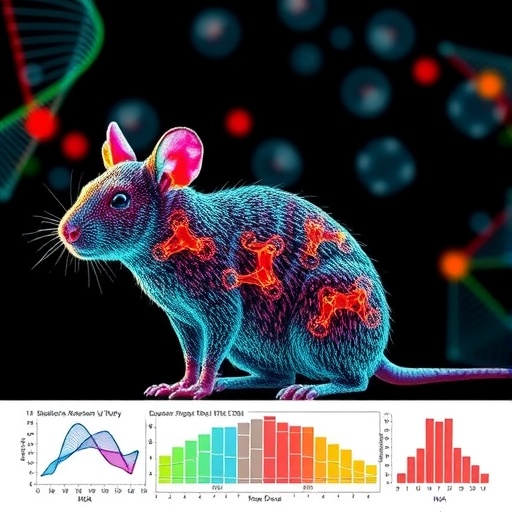
The investigative team employed cutting-edge imaging and biochemical techniques to trace copper localization and its subsequent impact on mitochondrial morphology and function in mouse oocytes. They demonstrated that excess copper disrupts the mitochondrial membrane potential, leading to a cascade of events including the aggregation of mitochondrial lipoylated proteins, an early hallmark of cuproptosis.
Moreover, the study reveals that the arrest at metaphase I is tightly linked to defects in spindle assembly and chromosome alignment—key processes that rely heavily on ATP and precise mitochondrial signaling. The perturbation in mitochondrial function deprives the meiotic machinery of the energy and signaling fidelity it requires, effectively halting cell cycle progression.
Interestingly, the research team identified a critical role for mitochondrial enzymes that rely on lipoic acid modifications, which become targets of copper binding, leading to their dysfunction. The impaired activity of these enzymes not only disrupts energy production but also exacerbates reactive oxygen species (ROS) generation, compounding mitochondrial damage and contributing to meiotic arrest.
These findings extend beyond basic science, providing potential explanations for certain forms of infertility linked to environmental and metabolic copper dysregulation. Conditions that elevate intracellular copper levels or impair its regulation could inadvertently trigger cuproptosis in oocytes, preventing successful meiotic completion and fertilization.
By experimentally modulating copper levels and employing genetic tools to manipulate cuproptotic pathways, the scientists demonstrated that rescue of mitochondrial integrity can partially reverse metaphase I arrest. This opens the possibility of therapeutic interventions aimed at mitigating copper-induced mitochondrial damage in reproductive medicine.
The implications of this study ripple into broader contexts, suggesting that cuproptosis might be a critical cellular fate pathway not only in reproductive cells but also in other tissues with high mitochondrial demands. The novel insights into metal ion-induced regulation of mitochondrial function could influence future research on aging, neurodegeneration, and metabolic diseases where mitochondrial dysfunction is a hallmark.
Further exploration of the molecular machinery behind cuproptosis in oocytes led researchers to uncover specific proteins and chaperones involved in copper handling within mitochondria. These proteins may serve as biomarkers or drug targets to modulate copper cytotoxicity selectively, enhancing oocyte viability under stress conditions.
The research underscores the necessity of maintaining metal ion homeostasis during gametogenesis and fertilization, emphasizing mitochondria’s central role not merely as bioenergetic organelles but as gatekeepers of cell viability in the reproductive system. This paradigm shift could inspire new strategies to preserve female fertility amidst environmental and physiological challenges.
In conclusion, this seminal study convincingly demonstrates that cuproptosis-induced mitochondrial dysfunction is a key mechanistic driver of meiotic metaphase I arrest in oocytes. By integrating sophisticated molecular biology, imaging, and biochemical assays, the research provides a compelling narrative that marries the fields of mitochondrial biology, metal ion regulation, and reproductive health. The findings hold transformative potential for understanding fertility regulation and developing novel clinical interventions.
As the scientific community digests these revelations, the prospect of targeting cuproptosis pathways to enhance oocyte quality presents an exciting frontier. Such advancements could revolutionize assisted reproductive technologies, offering hope to countless individuals facing fertility challenges rooted in mitochondrial and metal ion dysregulation. The intersection of cellular toxicology and reproductive medicine illuminated by this study marks a vivid milestone in biomedical research.
Subject of Research:
Article Title:
Article References:
Lu, YH., Wang, C., Chen, LN. et al. Cuproptosis causes meiotic metaphase I arrest by disrupting mitochondrial functions in oocytes. Cell Death Discov. (2026). https://doi.org/10.1038/s41420-026-03168-x
Image Credits: AI Generated
DOI: https://doi.org/10.1038/s41420-026-03168-x
Keywords:
Tags: copper accumulation effects on oocytescopper ion homeostasis and reproductioncopper metabolism and oocyte maturationcopper-induced cell death mechanismscuproptosis in oocytesenergy production in meiotic divisionimpact of mitochondrial impairment on fertilitymeiotic metaphase I arrestmitochondrial dysfunction in meiosismitochondrial proteotoxic stressnovel insights in reproductive biologyregulated cell death pathways in fertility