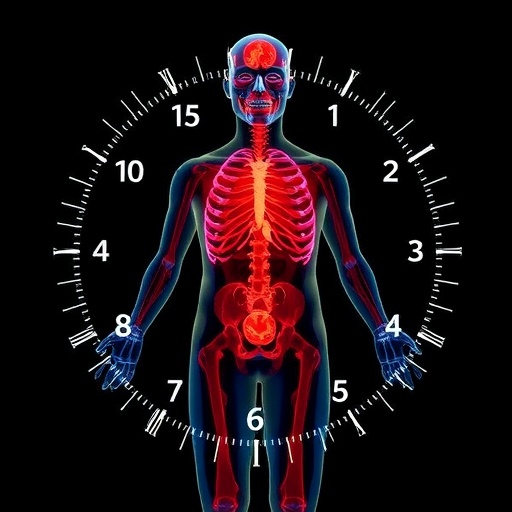
Recent scientific advances have revolutionized the way researchers measure aging, shifting the focus from generalized whole-body estimates to highly refined, organ-specific biological age assessments. This paradigm change is powered by the integration of sophisticated omics technologies and advanced imaging techniques that allow unprecedented resolution of the aging process at the level of individual organs. The growing body of evidence indicates that aging is not a uniform process across the body; rather, different organs may age at distinct rates, influenced by a complex interplay of genetic predispositions and environmental exposures. These insights are transforming our understanding of aging biology, presenting new possibilities for precision medicine and individualized health management.
The concept of biological age as opposed to chronological age has gained traction over the past decade, primarily reflecting an individual’s physiological and molecular health rather than just the number of years lived. While initial biological age clocks were developed from blood biomarkers or whole-body phenotypic data, recent methodologies have enabled researchers to estimate the biological ages of distinct organs independently. Such organ-specific aging clocks allow for a granular view of how different tissues and organ systems decline or maintain function over time, a critical advance given that many age-related diseases involve localized pathology within specific organs.
Recent research has highlighted that premature or accelerated aging in one organ can exert detrimental effects beyond its borders, triggering aging cascades in physiologically linked organs. This phenomenon underscores the presence of highly interconnected multi-organ aging networks where the biological age of one organ influences the aging trajectories of others through systemic signaling pathways, metabolic cross-talk, or immune system modulation. These insights open potential avenues for therapeutic strategies targeting node organs that disproportionately drive systemic aging.
The technical approaches to estimating organ-specific biological age harness a wide array of omics data, including genomics, transcriptomics, proteomics, metabolomics, and epigenomics. When coupled with high-resolution imaging modalities such as MRI, CT, and PET scans, these data offer complementary perspectives on the structural, cellular, and molecular state of organs. Machine learning and artificial intelligence algorithms play a pivotal role in integrating these complex datasets, building predictive models that can infer organ age with high specificity and accuracy.
A critical challenge in this emerging field is the establishment of robust, organ-specific biomarkers that accurately capture the aging processes intrinsic to each tissue type. Unlike systemic biomarkers found in blood or urine, organ-specific markers must reflect localized biological changes while remaining minimally invasive for use in clinical or population studies. Researchers are actively investigating molecular signatures unique to each organ type, such as epigenetic modifications in brain tissue or specific metabolic profiles singular to the liver, aiming to develop sensitive and reliable biological clocks.
Validation of these organ aging clocks requires extensive longitudinal data, tracking the same individuals over time to capture dynamic changes within organs. Longitudinal studies provide the gold standard for distinguishing true biological aging processes from transient physiological variations or measurement noise. They also help define reference ranges for “organ age gaps,” the differences between chronological and biological age within specific organs, which may be used clinically to assess organ health and disease risk.
One of the most fascinating implications of organ-specific aging clocks is the potential for personalized organ aging maps. By mapping how each individual’s organs age over the life course, clinicians could intervene early when certain organs begin to exhibit accelerated aging signatures. This approach marks a significant step toward preventive medicine, where targeted therapies can be deployed to slow or reverse aging in vulnerable organs before irreversible damage or systemic decline occurs.
The implications extend beyond individual health, providing insight into population-level aging heterogeneity. For example, environmental exposures such as pollution, diet, or physical activity can differentially impact organ aging patterns, revealing how lifestyle or socioeconomic factors contribute to health disparities. Genetic factors, too, modulate the susceptibility of organs to aging, with certain variants linked to either resilience or vulnerability, suggesting avenues for personalized genomics-guided interventions.
A promising area of investigation is how premature aging in “driver” organs with central physiological roles—for example, the heart, brain, or kidneys—can catalyze aging processes across multiple connected organs. Understanding these hierarchies within multi-organ aging networks may guide therapeutic prioritization, focusing on preserving or rejuvenating organs that disproportionately influence systemic aging trajectories. This systems biology perspective is pioneering a new frontier in aging research.
Operationalizing organ-specific aging assessment into routine clinical practice will require standardized protocols, accessible biomarker panels, and scalable imaging modalities. Moreover, integrating these assessments into electronic health records and personalized health monitoring platforms could revolutionize age-related disease diagnosis, prognosis, and management. However, this ambitious vision also raises ethical and practical questions regarding data privacy, cost, and equitable access to advanced diagnostics.
Notably, the development of organ-specific age clocks challenges traditional gerontological models that treat aging as a uniform, inevitable process. Instead, it paints aging as a mosaic of organ-specific trajectories with dynamic interactions and modifiable features. This nuanced view encourages a shift from reactive treatment of age-associated diseases toward proactive maintenance of organ health, aligning with the broader goals of healthy aging and lifespan extension.
In addition to advancing aging biology, organ-specific clocks could have implications for regenerative medicine and transplantation. Identifying the biological age of donor organs pre-transplant could improve matching and predict graft longevity. Furthermore, monitoring the biological age of transplanted organs longitudinally might inform immunosuppression strategies and early interventions to improve outcomes.
As research continues, the development of universal reference charts for organ age gaps across populations will be invaluable. Such benchmarks will enable clinicians and researchers to contextualize individual organ aging assessments, distinguishing between normal variation and pathological aging. These reference ranges must account for demographic factors such as sex, ethnicity, and baseline health status to ensure accuracy and inclusiveness.
In sum, the transition from whole-body to organ-specific biological age clocks represents a paradigm shift in the science of aging. Harnessing cutting-edge omics and imaging technologies, coupled with sophisticated computational models, researchers are unraveling the heterogeneous and networked nature of aging across human organs. This advancement not only deepens fundamental understanding but also drives a new era of personalized, preventative, and precision interventions in aging and age-related diseases. The future of aging research is poised to deliver unprecedented insights and clinical applications that will transform how we monitor, understand, and influence human aging.
Subject of Research:
Article Title:
Article References:
Zalesky, A., Wen, J. & Tian, Y.E. From whole-body to organ-specific biological age clocks. Nat Aging 6, 961–969 (2026). https://doi.org/10.1038/s43587-026-01113-2
Image Credits: AI Generated
DOI: May 2026
Keywords:
Tags: advanced imaging for aging assessmentage-related diseases and organ agingaging biomarkers in individual organsbiological age versus chronological agedifferential organ aging ratesgenetic and environmental factors in organ agingindividualized health management strategiesmolecular health indicators of agingomics technologies in aging researchorgan-specific biological age clocksprecision medicine for agingtissue-specific aging processes