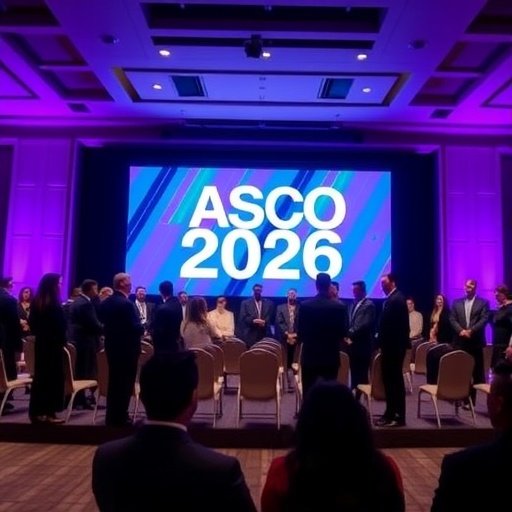
The upcoming ASCO 2026 Annual Meeting, scheduled to take place in Chicago from May 29 to June 2, promises to be a pivotal event in the world of oncology, showcasing breakthrough research and clinical advancements. Among the foremost contributors to this prestigious forum is the Sylvester Comprehensive Cancer Center, an integral part of the University of Miami Miller School of Medicine. Researchers from Sylvester will present an extensive portfolio of studies, reflecting cutting-edge investigations across a broad spectrum of cancer types, including hematologic malignancies, solid tumors, and rare sarcomas.
A prominent highlight is the phase 3 randomized MajesTEC-9 study, which evaluates teclistamab monotherapy against the investigator’s choice of pomalidomide, bortezomib, and dexamethasone or carfilzomib and dexamethasone in patients suffering from relapsed refractory multiple myeloma. Co-authored by Dr. Carl O. Landgren, this trial underscores novel immunotherapeutic strategies aiming to improve outcomes in this notoriously challenging plasma cell disorder. The sophisticated study design integrates molecular response markers and clinical endpoints, providing robust evidence for teclistamab’s efficacy in heavily pretreated populations.
In gastrointestinal oncology, Dr. Jonathan Trent and colleagues have co-authored significant phase 1/1b and phase 3 trials assessing bezuclastinib combined with sunitinib versus sunitinib monotherapy, as well as velzatinib’s efficacy based on KIT mutation status in gastrointestinal stromal tumors (GISTs). These studies employ genomic profiling and pharmacokinetic modeling to optimize targeted treatment paradigms, emphasizing precision medicine approaches in managing advanced GIST, a malignancy characterized by heterogeneous mutational landscapes and treatment resistance.
Melanoma therapeutics are being advanced through multidisciplinary studies focusing on long-term survival correlations with cell-free DNA methylation biomarkers, as reported in the NIBIT-M2 trial led by Dr. Michele Ceccarelli. This research integrates epigenetic profiling with immunotherapy outcomes using nivolumab and ipilimumab, revealing intricate mechanisms of immune evasion and resistance in patients with brain metastases. Such findings have substantial implications for personalized surveillance and combination therapy optimization.
Sarcoma research, a relatively underexplored area, includes a pivotal phase 3 investigation of catequentinib hydrochloride (AL3818) monotherapy in patients with advanced alveolar soft part sarcoma (ASPS), co-authored by Dr. Jonathan C. Trent. Exploration of angiogenesis inhibitors and their impact on tumor microenvironments further deepens understanding of therapeutic resistance and offers potential for durable disease control in this rare sarcoma subtype.
The symposium on intercepting plasma cell disorders, featuring Dr. Rafat Abonour as a discussant, delves into the continuum from smoldering multiple myeloma to overt amyloid light-chain amyloidosis. This session underscores the transition phases of disease evolution and the critical windows for therapeutic intervention, emphasizing advanced diagnostic biomarkers and early therapeutic modalities designed to preempt clinical progression.
Cutting across multiple skin cancer forms, including uveal melanoma and nonmelanoma variants, Dr. Jose Lutzky presents novel insights into overcoming immunotherapeutic barriers through innovative clinical trials and molecular profiling. These studies investigate immune checkpoint blockade resistance mechanisms and aim to expand therapeutic responsiveness through biomarker-driven patient stratification.
Emerging in the field of adoptive cell therapy, Dr. Leonel F. Hernandez-Aya contributes to presentations on PRAME-directed T-cell receptor (TCR) therapies for advanced melanoma, elucidating patient-level clinical response dynamics. This research leverages high-throughput immune profiling and T-cell engineering techniques, pushing the envelope in personalized cancer immunotherapy.
Rapid oral presentations highlight pivotal findings such as the association of NAB2-STAT6 distal fusion with metastatic risk and thoracic tumor sites, spearheaded by Keerthana Sureshkumar. This genetic fusion acts as a biomarker for clinical prognosis, offering vital stratification tools for therapeutic decision-making. Additionally, global surveys on oncology physician career fulfillment and intent to leave, presented by Coral Olazagasti, provide essential data on workforce sustainability amidst increasing clinical demands, pointing to systemic issues in oncologic practice environments.
Expanding into real-world clinical practice, numerous poster presentations investigate diverse topics, ranging from AI decision-support algorithms for EGFR-mutant metastatic non-small cell lung cancer to the racial disparities in endometrial cancer survival post molecular classification. The integration of machine learning and bioinformatics into clinical oncology is a recurring theme, facilitating novel predictive models and personalized medicine frameworks.
Further studies illustrate the complex interplay between tumor genomics and treatment responses in sarcomas, leukemias, and pancreatic cancer, supported by extensive multi-institutional collaborations. These investigations refine the understanding of tumor heterogeneity and pave the way for biomarker-driven therapeutic strategies that aim to maximize efficacy while minimizing toxicity.
The special sessions offer strategic guidance for aspiring academic oncologists, featuring panels on publication artistry and career navigation, with experienced voices such as Dr. Mikkael Sekeres and Dr. Gilberto Lopes providing mentorship through shared experiences. These forums emphasize the importance of scholarly communication and international perspectives in advancing oncology careers and research dissemination.
Collectively, the Sylvester Comprehensive Cancer Center’s ASCO 2026 contributions represent a comprehensive showcase of transformative oncology research. Their work spans fundamental molecular insights, clinical trial innovations, real-world data integration, and educational leadership, marking significant strides toward precision oncology and improved patient outcomes across several malignancies. The multifaceted research agenda underscores a commitment to translating laboratory discoveries to clinical interventions, ultimately forging pathways for enhanced cancer care in the coming decade.
Subject of Research: Oncology clinical trials and biomarker-driven cancer therapeutic strategies presented by Sylvester Comprehensive Cancer Center at ASCO 2026.
Article Title: Groundbreaking Oncology Research from Sylvester Comprehensive Cancer Center at ASCO 2026 Redefines Cancer Therapeutics
News Publication Date: Not specified
Web References:
Sylvester Comprehensive Cancer Center
University of Miami Miller School of Medicine
ASCO 2026 Annual Meeting
Image Credits: Sylvester Comprehensive Cancer Center
Keywords: ASCO 2026, Sylvester Comprehensive Cancer Center, multiple myeloma, gastrointestinal stromal tumors, melanoma, sarcoma, plasma cell disorders, immunotherapy, targeted therapy, oncology clinical trials, biomarkers, cancer research
Tags: ASCO 2026 oncology highlightsbezuclastinib and sunitinib combination therapygastrointestinal oncology drug trialshematologic malignancies researchmultiple myeloma phase 3 trialsnovel cancer immunotherapeutic strategiesrare sarcoma clinical trialsrelapsed refractory multiple myeloma treatmentsolid tumor cancer studiesSylvester Comprehensive Cancer Center researchteclistamab immunotherapy studyvelzatinib KIT mutation efficacy