In a breakthrough with profound implications for oncology and immunology, researchers at the University of Florida (UF) Health Cancer Institute have unveiled a critical link between chronic sleep deprivation, gut microbiota alterations, and cancer progression. Their pioneering study reveals that the microbiome, an intricate ecosystem of trillions of microorganisms residing in the human gut, mediates the immune dysfunction caused by sustained lack of sleep, thereby accelerating tumor growth, disrupting circadian rhythms, and diminishing the therapeutic efficacy of chemotherapy.
Sleep deprivation, a prevalent condition among cancer patients often overshadowed in clinical care, has been long recognized for its adverse effects on the immune system. However, molecular evidence that ties its impact directly to cancer outcomes remained elusive until now. This new research illuminates the gut microbiota’s pivotal role as a conduit through which sleep loss shapes the host immune landscape and cancer trajectory, thus opening an exciting frontier in cancer biology and treatment optimization.
To investigate these complex interactions, the team led by graduate student Maria Hernandez under the guidance of Dr. Christian Jobin employed murine models designed to simulate chronic sleep deprivation experienced by humans. By collecting stool samples from sleep-deprived mice and transplanting these microbial communities into germ-free, healthy recipient mice, the researchers isolated the microbiota’s specific influence on tumor development and immune response, a methodological feat that elegantly dissects cause-effect relationships in vivo.
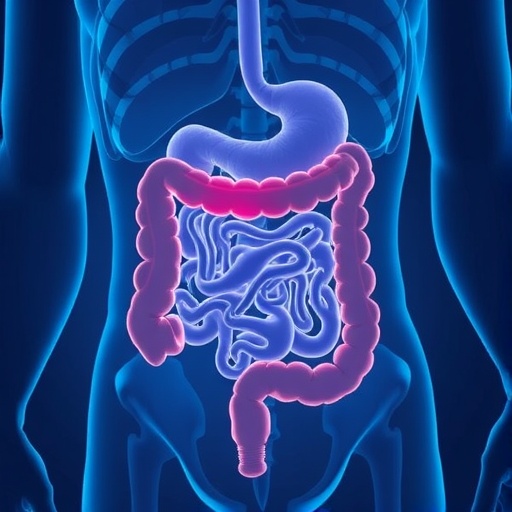
Their experimental design included evaluating tumor progression and responsiveness to 5-fluorouracil (5-FU), a frontline chemotherapeutic agent against colorectal cancer—the leading cause of cancer-related mortality among individuals under 50 in the United States. Measurements extended beyond tumor volume to encompass comprehensive immune profiling within the tumor microenvironment and gene expression analysis focusing on circadian rhythm regulators, given their known physiological importance and suspected disruption in sleep-deprived states.
Findings demonstrated a stark contrast: mice bearing microbiota from sleep-deprived donors not only exhibited significantly accelerated tumor growth but also showed marked resistance to 5-FU chemotherapy. This chemoresistance correlated with a notable reduction in the abundance of immune cell subsets integral to antitumor activity, including cytotoxic T lymphocytes and natural killer cells. Concurrently, dysregulation of clock genes was observed, underscoring the crosstalk between microbiota-modulated immune pathways and circadian biology.
Dr. Hernandez articulated that beyond compositional shifts in bacterial taxa, sleep deprivation might induce functional reprogramming of the microbiota’s metabolic or signaling outputs, fundamentally altering microbial-host interactions. This insight points to a dynamic microbiome plasticity susceptible to environmental and lifestyle factors, which could be harnessed therapeutically to restore immune competence in patients experiencing disrupted sleep.
The implications of this study resonate deeply in clinical oncology, where patient quality of life and systemic factors often influence treatment outcomes. Dr. Jobin emphasized the necessity for holistic patient evaluation, advocating for routine integration of sleep pattern monitoring alongside microbiome assessment in cancer care protocols. Such multidimensional analysis could enable personalized interventions to preserve or restore microbiota health, thereby enhancing immunosurveillance and chemotherapy responsiveness.
While perfect sleep hygiene may not always be feasible, especially for patients undergoing intensive hospital-based therapies, the microbiome’s adaptability offers a promising avenue for therapeutic development. Potential strategies include targeted microbiota modulation through probiotics, prebiotics, dietary adjustments, or novel pharmaceuticals designed to stimulate “good” bacterial functions or counteract deleterious microbial shifts induced by sleep loss.
Jobin’s lab has previously charted new territory by isolating bacterial-derived molecules capable of augmenting lung cancer treatment efficacy. The application of similar methodologies to identify and harness compounds that counteract the microbiota-mediated effects of sleep deprivation could yield revolutionary adjunct therapies enhancing the effectiveness of existing anticancer regimens.
This research underscores the vital interconnectedness of lifestyle factors, microbial ecology, immune function, and cancer biology, compelling a paradigm shift in how oncologists approach patient management. Ensuring adequate sleep emerges not merely as a wellness recommendation but as a fundamental pillar supporting microbiota integrity and, consequently, therapeutic success. These findings warrant expansive clinical studies to map sleep-microbiota-immune axes in human populations and integrate microbiome interventions into the arsenal against cancer.
In summary, the gut microbiota acts as a central mediator translating the systemic stress of chronic sleep deprivation into immune dysfunction and cancer progression. Addressing this axis represents a transformative opportunity to improve patient outcomes through integrative, microbiome-informed care strategies, underscoring sleep’s critical role as a modifiable determinant in cancer therapy.
Subject of Research:
The influence of sleep deprivation on gut microbiota, immune system modulation, and cancer progression, with an emphasis on chemotherapy efficacy.
Article Title:
Sleep Deprivation-Induced Microbiota Alterations Drive Cancer Progression and Chemotherapy Resistance
News Publication Date:
April 20, 2026
Web References:
https://cancer.ufl.edu/
https://directory.ufhealth.org/jobin-christian
https://www.abstractsonline.com/pp8/#!/21436/presentation/10485
https://cancer.ufl.edu/research/research-programs/immuno-oncology-and-microbiome/
https://ufhealth.org/news/2026/gut-bacteria-molecule-boosts-lung-cancer-treatment-response
Keywords:
Cancer, Colorectal Cancer, Colon Cancer, Sleep Deprivation, Microbiota, Chemotherapy Resistance, Immune System, Circadian Rhythm, 5-Fluorouracil, Microbiome Plasticity
Tags: cancer biology and microbiome interactionschemotherapy efficacy and microbiomechronic sleep deprivation effectscircadian rhythm disruption in cancergut microbiota and cancer progressiongut microbiota transplantation studyimmune dysfunction from sleep lossmicrobiome impact on tumor growthmurine models in cancer researchsleep deprivation and colorectal cancersleep loss immune system alterationUniversity of Florida sleep cancer study