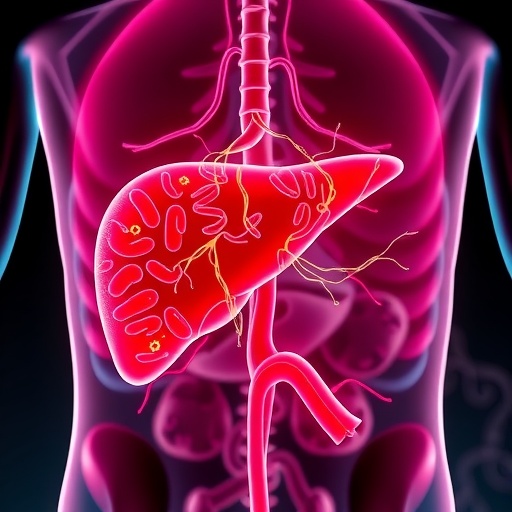
A groundbreaking population-based study conducted in Alberta, Canada, has uncovered compelling evidence that survivors of cancer diagnosed during adolescence and young adulthood face a significantly elevated risk of developing subsequent primary neoplasms. According to research published in the Canadian Medical Association Journal, these individuals are approximately twice as likely to develop new cancers later in life compared to the general population. This revelation underscores urgent concerns about long-term survivorship care and tailored cancer surveillance strategies for this vulnerable demographic.
The study, led by Dr. Miranda Fidler-Benaoudia and colleagues from the University of Calgary’s Cumming School of Medicine and Cancer Care Alberta, analyzed cancer incidence data spanning over three decades, from 1983 to 2017. Focusing on patients aged 15 to 39 at their initial cancer diagnosis, the research team meticulously examined the occurrence of subsequent primary neoplasms—distinct new cancers unrelated to recurrence or metastasis of the initial tumor. The study cohort comprised 24,459 individuals with a median follow-up period of 7.4 years, providing robust longitudinal insights into secondary cancer risk.
Findings demonstrated that 6% of the cohort developed at least one subsequent primary neoplasm during the study period. Particularly striking was the heightened vulnerability of survivors of Hodgkin lymphoma and breast cancer, groups that collectively accounted for nearly one-third of all secondary malignancies diagnosed five years post-initial treatment. This heightened risk profile for specific cancers accentuates the complex interplay of cancer biology, treatment modalities, and genetic predispositions that can precipitate new malignancies long after remission.
The study highlights that the most common subsequent cancers originating after adolescent and young adult cancers were breast, colorectal, and lung cancers, collectively constituting 43% of all new malignancies. The researchers surmise that late treatment effects, including those from radiotherapy, chemotherapy, and hormone therapy, contribute substantially to this elevated risk. These therapeutic interventions, while lifesaving, can induce genetic mutations, DNA damage, and microenvironmental changes, setting the stage for oncogenesis many years later.
Beyond treatment-related factors, the authors emphasize the potential role of inherited genetic susceptibilities in precipitating secondary cancers. Such germline mutations may influence DNA repair mechanisms or tumor suppressor pathways, amplifying the risk for later neoplasms. Consequently, genetic counseling and personalized risk assessment emerge as critical components of survivorship care, empowering patients and clinicians to devise informed surveillance and prevention strategies.
A particularly alarming aspect of the research is the projected increase in subsequent primary neoplasms with extended follow-up. By 30 years post-initial diagnosis, approximately one in six survivors from this age group is anticipated to face a new primary cancer. This rate represents a profound burden on survivors, healthcare systems, and public health policy, especially given that these secondary cancers tend to manifest decades earlier than would be expected in the general population.
Acknowledging the earlier onset and elevated risk, the study advocates for the implementation of earlier and more intensive cancer screening protocols tailored to adolescent and young adult survivors. This aligns with existing survivorship guidelines that recommend proactive breast and colorectal cancer surveillance for high-risk survivors, potentially improving early detection and survivability of subsequent cancers. The authors call for innovation in preventive interventions and monitoring to mitigate the morbidity and premature mortality linked to secondary malignancies.
Notably, the incidence of cancer within the adolescent and young adult population in Canada has risen steadily at an annualized rate of 1.3%. When coupled with improving survival outcomes—reported at roughly 86% in this demographic—there is a burgeoning population of young cancer survivors. This expands the imperative to address survivorship challenges, including the management of long-term treatment sequelae and the heightened susceptibility to new cancers.
The research underscores the multifactorial nature of secondary cancer risk, interweaving biological, therapeutic, and lifestyle dimensions. Education on maintaining healthy lifestyles—including smoking cessation, diet, physical activity, and avoidance of known carcinogens—is vital in survivorship care plans. Such strategies may attenuate cumulative risk alongside vigilant clinical surveillance, optimizing outcomes for this growing patient population.
Moreover, the authors highlight the continuous need for rigorous research into the pathophysiological mechanisms underlying subsequent primary neoplasms. Understanding how various treatment regimens, genetic predispositions, and environmental factors converge will be fundamental in tailoring individualized survivorship frameworks. Accelerator programs for biomarker discovery and precision oncology approaches hold promise for transforming secondary cancer prevention and therapy.
In conclusion, this landmark study provides critical evidence that adolescent and young adult cancer survivors constitute a uniquely high-risk group for subsequent primary neoplasms, necessitating concerted action in clinical practice and health policy. The call for earlier surveillance, genetic evaluation, lifestyle interventions, and ongoing research represents a multi-pronged approach to ameliorate the long-term consequences of cancer survivorship. As survival rates escalate, addressing these latent risks is essential to safeguard the health and longevity of young cancer survivors worldwide.
Subject of Research: People
Article Title: Subsequent primary neoplasm risk among survivors of cancer in adolescence and young adulthood: a population-based study from Alberta, Canada
News Publication Date: 13-Apr-2026
Web References: https://www.cmaj.ca/lookup/doi/10.1503/cmaj.251381
References: 10.1503/cmaj.251381
Keywords: Cancer, Adolescents and Young Adults, Subsequent Primary Neoplasms, Survivorship, Hodgkin Lymphoma, Breast Cancer, Secondary Malignancies, Surveillance, Genetic Counseling, Late Effects of Cancer Treatment
Tags: adolescent cancer survivors riskbreast cancer survivors secondary neoplasmscancer incidence longitudinal analysiscancer survivorship follow-up studiesHodgkin lymphoma survivors cancer risklong-term cancer survivorship carepopulation-based cancer studies Canadasecondary cancer risk in youthsubsequent primary neoplasmstailored cancer surveillance strategiesUniversity of Calgary cancer researchyoung adult cancer survivors