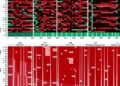
In a groundbreaking observational study published on April 10, 2026, in the prestigious open-access journal Cell Press Blue, researchers from The Chinese University of Hong Kong have unveiled a complex and dynamic interplay between the epigenome and gut microbiome during early infancy that significantly influences neurodevelopmental outcomes. This extensive research presents compelling evidence that epigenetic modifications present at birth can shape the evolution of the gut microbiome in the first twelve months of life. Moreover, it highlights specific epigenetic and microbial markers associated with early signs of autism spectrum disorder (ASD) and Attention-Deficit/Hyperactivity Disorder (ADHD) by the age of three, suggesting new pathways toward understanding and potentially mitigating neurodevelopmental disorders.
The human gut microbiome, a diverse and dynamic community of microorganisms residing in the digestive tract, has long been implicated in various aspects of health, including immune function and brain development. Simultaneously, epigenetic mechanisms—biochemical switches that regulate gene expression without altering the underlying DNA sequence—play a pivotal role in neurodevelopment during prenatal and postnatal stages. The integration of these two biological systems is a relatively uncharted territory that this study thoroughly explores, revealing an intricate ‘conversation’ between molecular epigenetic landscapes and microbial inhabitants.
The research team, co-led by gastroenterologist Francis Ka Leung Chan and public health researcher Hein Min Tun, embarked on a comprehensive analysis involving 571 infants whose umbilical cord blood DNA methylation patterns were meticulously profiled at birth. DNA methylation, an epigenetic hallmark involving the attachment of methyl groups to cytosine bases in DNA, can silence genes or modulate their expression, thereby influencing developmental trajectories. By coupling these epigenomic datasets with longitudinal gut microbiome samples collected from 969 infants at 2, 6, and 12 months—and also from their mothers during pregnancy—the investigators constructed a robust temporal framework linking early-life biological factors to neurodevelopmental health.
Interestingly, the study delineates how the newborns’ epigenetic settings correlated strongly with perinatal and familial factors such as mode of delivery, gestational age, presence of older siblings, and maternal allergic conditions. Notably absent was any direct influence from the maternal or paternal gut microbiomes, suggesting that epigenetic programming at birth may be more impacted by environmental and hereditary cues than by parental microbiota composition per se. In parallel, the infant gut microbiome development was influenced by different variables including exposure to antibiotics, feeding practices like breastfeeding, birth delivery method, and sibling status—each factor shaping microbial diversity and colonization patterns critical for immune system maturation and neural development.
A striking revelation was that Caesarean-born infants exhibited unique DNA methylation profiles across genes integral to immune response and brain maturation, underscoring how birth mode can epigenetically imprint developmental pathways. Furthermore, higher methylation rates in immune-related genes that recognize pathogens were linked to reduced microbial diversity in the gut at twelve months, indicating that epigenetic states can modulate microbial ecosystem assembly. This bidirectional interplay hints at a finely tuned regulatory axis wherein early epigenomic marks potentially calibrate the infant’s gut microbial community, which in turn influences health outcomes.
Crucially, by the time the children were three years old, behavioral assessments unveiled that specific epigenetic modifications alongside the presence or absence of particular microbial species were associated with observed signs of ASD and ADHD—developmental disorders characterized by complex genetic, environmental, and neurobiological etiologies. The study identified that infants exhibiting epigenetic patterns linked to ASD were less likely to manifest behavioral signs if they harbored Lachnospira pectinoschiza in their gut microbiota during the first year. Similarly, the presence of Parabacteroides distasonis appeared to buffer the risk of ADHD symptoms in infants with corresponding epigenetic profiles. These findings suggest the possibility of gut commensals exerting neuroprotective effects by modulating immune and neural pathways during critical windows of brain development.
This novel work emphasizes that neurodevelopmental risk is not irrevocably inscribed at birth, but rather represents a dynamic interplay between inherited epigenetic factors and modifiable microbial exposures during infancy. The early colonization of beneficial bacteria could provide an adaptive advantage, offering protective effects against neurodevelopmental disturbances. This paradigm shifts the focus towards potential microbiota-targeted interventions, such as diet modulation or probiotic administration, which might nurture a healthy gut-brain axis and mitigate risks for conditions like ASD and ADHD.
The researchers acknowledge that these associations require further validation through mechanistic laboratory studies to elucidate causal pathways. They are actively following the participating children longitudinally to determine how early-life epigenome-microbiome interactions influence cognitive and behavioral outcomes as they age. Importantly, this study lays the groundwork for developing non-invasive, microbiome-based therapeutic strategies aimed at fostering optimal neurodevelopment during critical early life stages.
Dr. Siew Chien Ng, the study’s first author, highlights that the ultimate aspiration is to create safe, targeted early interventions such as live biotherapeutics that can harmonize gut microbiota composition and epigenetic regulation. This approach could potentially reduce the lifelong burden of neurodevelopmental disorders by intervening during infancy or even prenatally. Such innovations would represent a significant advancement in pediatric medicine and neurohealth, aligning with trends toward personalized, precision healthcare.
In conclusion, this pioneering research elucidates a previously underestimated crosstalk between the infant epigenome and the gut microbiome that shapes neurodevelopmental trajectories. It enriches our understanding of early human development by integrating molecular genetics, microbiology, immunology, and neuroscience, paving the way for novel diagnostic and treatment modalities. The study underscores that the blueprint for brain health is laid early, yet remains plastic and modifiable, offering hope for preventative strategies against complex neurodevelopmental disorders.
Subject of Research: People
Article Title: Epigenome-microbiome interplay in early life associates with infants’ neurodevelopmental outcomes
News Publication Date: 10-Apr-2026
Web References: Cell Press Blue Twitter
References: Ng et al., “Epigenome-microbiome interplay in early life associates with infants’ neurodevelopmental outcomes,” Cell Press Blue, 10-Apr-2026, DOI: 10.1016/j.cpblue.2026.100009
Keywords: Epigenetics, infants, microbiota, developmental neuroscience
Tags: dynamic epigenetic changes in infancyearly biomarkers of autism spectrum disorderearly intervention in neurodevelopmental disordersepigenetic markers for ADHDepigenetic modifications at birthepigenome and microbiome interplaygut-brain axis in early childhoodinfant gut microbiome developmentmicrobiome and neurodevelopmental disorder correlationmicrobiome influence on neurodevelopmentneurodevelopmental outcomes in infancyprenatal and postnatal epigenetic regulation