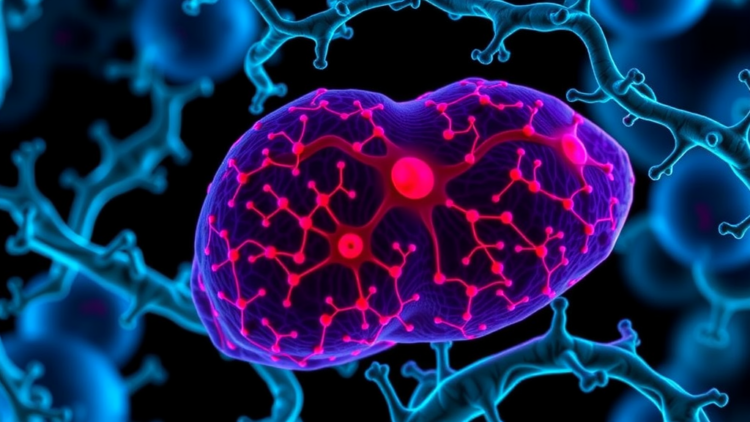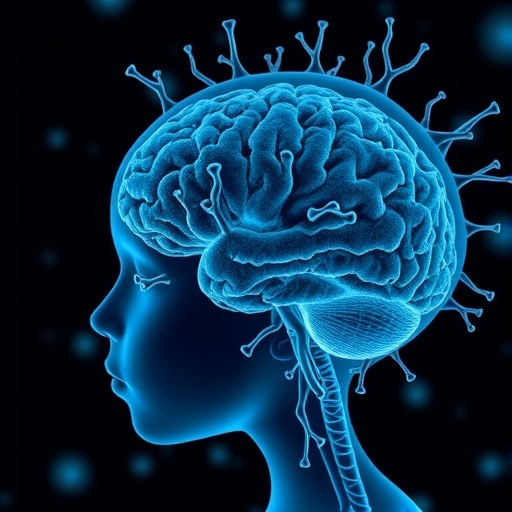
In a groundbreaking study published in Nature Communications, researchers have unveiled the intricate cellular mechanisms by which errors in chromosome segregation during neural stem cell division precipitate microcephaly, a devastating condition characterized by an abnormally small brain. This work, led by Dr. Marco Milán of IRB Barcelona, sheds light on how chromosomal instability triggers a cascade of proteotoxic and mitochondrial stress, fundamentally compromising brain development.
Human cells typically carry two copies of each chromosome, maintaining a delicate genomic balance crucial for proper gene expression and cellular function. However, abnormalities arising during mitosis, when chromosomes are improperly allocated, lead to a state known as aneuploidy, where cells cycle with extra or missing chromosomes. While aneuploidy’s role in cancer and developmental disorders has been recognized, the precise cellular consequences in neuronal progenitors—and how this leads to microcephaly—remained elusive until now.
Focusing on a rare genetic syndrome called Mosaic Variegated Aneuploidy (MVA), characterized by mutations in the genes governing chromosome segregation, the research team utilized Drosophila melanogaster as a model organism to mimic these defects. MVA confers multidimensional pathologies including early-onset microcephaly, developmental delays, premature aging, and increased cancer susceptibility, all of which underscore the systemic impact of aneuploidy.
Utilizing sophisticated genetic tools to selectively disrupt chromosome segregation genes within the fly’s neural stem cells, the scientists recapitulated the hallmark reduced brain size observed in MVA patients. Neural stem cells, the progenitors responsible for generating neurons and glial cells, were found to progressively accumulate chromosomal missegregations over successive divisions. Contrary to the notion that a singular chromosomal anomaly halts proliferation, the researchers demonstrated that cumulative and complex aneuploidies drive the pathological phenotype.
The accumulation of aneuploid chromosomes precipitates proteotoxic stress, wherein the stoichiometric balance of cellular proteins is dramatically perturbed. This imbalance impairs proteostasis, the cell’s quality control system, and induces stress responses aimed at mitigating protein misfolding and aggregation. Key among these responses is autophagy, a catabolic process whereby cells degrade surplus or aberrant proteins to preserve homeostasis.
However, the study reveals a counterintuitive caveat: autophagy machinery, while tackling heightened proteotoxicity, becomes saturated and diverted away from mitophagy—the selective clearance of dysfunctional mitochondria. Mitochondria, the cell’s energy powerhouses, are especially vulnerable to damage and require constant quality control. Impaired mitophagy leads to accumulation of defective mitochondria, increased production of reactive oxygen species (ROS), and consequently, oxidative stress within neural progenitors.
This mitochondrial dysfunction hampers the proliferative capacity of neural stem cells, effectively arresting their division and curtailing neuronal output. The resulting deficit in neuron production culminates in a smaller brain, as observed in microcephaly. Dr. Milán elucidates that the interplay between chromosomal abnormalities and mitochondrial health is pivotal for sustaining neural stem cell populations during critical developmental windows.
Excitingly, the research offers therapeutic hope. By experimentally enhancing mitochondrial function or reducing oxidative stress in the Drosophila model, the team successfully prolonged neural stem cell activity, increased neurogenesis, and restored brain size to near-normal levels. These interventions highlight a potential avenue for mitigating microcephaly through modulation of mitochondrial pathways.
First author Dr. Amanda González-Blanco, previously a PhD student at IRB Barcelona, emphasizes the broader implications of this work. Beyond rare syndromes like MVA, chromosomal instability, coupled with proteotoxic and mitochondrial stress, is a hallmark of many neurodegenerative disorders and various cancers. Understanding these cellular responses lays the groundwork for novel therapeutic strategies targeting fundamental cellular stress pathways.
The study also challenges the conventional view that a single mitotic error is catastrophic. Instead, it reveals a cumulative effect where multiple rounds of faulty chromosome segregation exacerbate cellular dysfunction, underscoring the dynamic nature of neural stem cell vulnerability. This paradigm shift could reshape how researchers approach genomic instability in developmental and disease contexts.
Technically, the research integrates advanced live imaging, genetic manipulation, and biochemical assays to dissect the cellular pathways at play. The convergence of chromosomal missegregation, proteostatic imbalance, and mitochondrial quality control creates a feedback loop of cellular stress that ultimately disrupts neurogenesis.
Crucially, the link between mitophagy saturation and oxidative stress extends beyond neural cells, as mitochondria serve universal metabolic functions. Hence, targeting mitophagy and its regulation may have far-reaching therapeutic implications across a spectrum of diseases characterized by mitochondrial and proteostatic dysfunction.
In sum, this multifaceted investigation elegantly unravels how genome instability translates into developmental brain disorders through mitochondrial compromise. The insights gleaned pave a promising path toward mitigating chromosomal instability’s impact on human health, with potential to influence the treatment of cancer, neurodegeneration, and congenital microcephaly.
Subject of Research: Cellular mechanisms linking chromosomal instability to microcephaly via mitochondrial dysfunction in neural stem cells.
Article Title: Unraveling the Cellular Consequences of Aneuploidy: Mitochondrial Dysfunction Drives Microcephaly
News Publication Date: 17 March 2026
Web References:
DOI: 10.1038/s41467-026-70521-0
Image Credits: IRB Barcelona
Keywords: Brain development, Aneuploidy, Microcephaly, Neural stem cells, Mitochondrial dysfunction, Proteotoxic stress, Mitophagy, Reactive oxygen species, Chromosomal instability, Neurogenesis, Developmental neuroscience, Genetic disorders
Tags: aneuploidy effects on brain developmentchromosome segregation errors in neural stem cellsDrosophila model for chromosome instabilityearly-onset microcephaly genetic mechanismsgenetic causes of rare microcephalygenomic imbalance inimpact of chromosomal instability on neurodevelopmentmitochondrial dysfunction in microcephalymitochondrial stress in genetic brain disordersMosaic Variegated Aneuploidy syndrome researchneural stem cell division abnormalitiesproteotoxic stress in neuronal progenitors