A groundbreaking expansive study conducted in Australia, spearheaded by researchers from UNSW Sydney, has brought significant clarity to the ongoing discourse surrounding the cancer risks associated with fertility treatments. This meticulously detailed observational research, recently published in the prestigious journal JAMA Network Open, provides a comprehensive analysis of cancer incidence among women undergoing medically assisted reproduction, including in vitro fertilization (IVF), intrauterine insemination, and pharmacological interventions such as clomiphene therapy. By leveraging a robust dataset encompassing the health records of over 417,000 women treated between 1991 and 2018, the study presents compelling evidence that fertility treatment does not elevate the overall risk of invasive cancer relative to the general population, quelling some of the anxieties that have long shadowed assisted reproductive technologies.
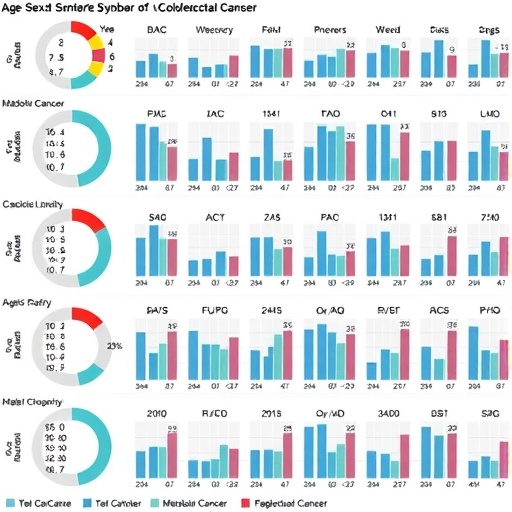
Delving into nuanced patterns within cancer epidemiology, the researchers uncovered a fascinating dichotomy where certain malignancies exhibited marginally increased incidence rates, while others appeared less frequently among the fertility treatment cohort compared to age-matched Australian women. Notably, uterine and ovarian cancers, conditions biologically entwined with reproductive pathophysiology, showed a modest uptick, consistent with prior hypotheses relating to hormonal milieu alterations and underlying etiologies such as endometriosis and polycystic ovary syndrome (PCOS). Melanoma, a form of skin cancer with multifactorial risk determinants including genetic predisposition and ultraviolet radiation exposure, was also slightly more prevalent, suggesting complex interactions between fertility-associated demographics and cancer risk profiles.
Crucially, the investigation distinguished between invasive and non-invasive cancer subtypes, spotlighting that certain non-invasive breast cancers were more common post-IVF, whereas invasive breast cancers did not demonstrate a statistically significant increase. This differentiation is pivotal, as it informs clinical surveillance strategies and reassures patients concerned about aggressive oncological outcomes linked to fertility interventions. Conversely, rates of cervical and lung cancers were notably reduced in the treatment group, a finding the study credits to socio-demographic factors and lifestyle variables frequently observed in women pursuing fertility therapies, such as higher socioeconomic status, lower smoking rates, and adherence to cancer screening protocols.
Dr. Adrian Walker, a leading contributor from UNSW’s Centre for Big Data Research in Health, emphasized the overarching reassurance these findings offer. He elaborated that women engaged in assisted fertility treatments need not perceive an elevated cumulative cancer risk but should maintain regular participation in established cancer screening programs tailored to their age and risk profile. This insistence on routine screening underscores the importance of integrating fertility treatment within a broader framework of preventative health care, ensuring early detection and management of potential malignancies.
Profoundly, the researchers caution against simplistic interpretations of relative risk figures detached from absolute risk context. For instance, although uterine cancer incidence may present as 23% to 83% higher depending on treatment modality, and ovarian cancer approximately 18% to 23% more frequent post-IVF treatments, the absolute increase translates to only three to seven additional cases for every 100,000 women annually. This stark illustration demystifies the statistics, reaffirming that the incremental cancer risk posed by medically assisted reproduction is minimal relative to the baseline population risk.
The study’s robust design entailed meticulous cross-referencing of cancer registry data with national fertility treatment records, enabling a longitudinal analysis averaging a decade per participant. This extensive temporal scope provides a substantive lens through which delayed oncogenic effects, potentially related to hormonal stimulation during fertility treatments, could be discerned. Yet, the authors strongly advocate for further prolonged follow-up as the cohort ages, to capture late-emerging cancer incidences that might not be apparent within the current observation window.
One of the study’s compelling insights involves the interplay between infertility etiologies and cancer predisposition. Infertility is not a monolithic condition; its constituents range from anatomical abnormalities to endocrine disorders, each bearing distinct oncogenic propensities. Endometriosis and PCOS, for example, are inherently linked with aberrant cellular environments conducive to neoplastic transformation in reproductive tissues. Therefore, parsing out whether cancer risk arises from the fertility treatments per se or the underlying infertility condition remains a critical but elusive objective that the authors acknowledge requires future investigative rigor.
Socioeconomic and demographic stratification also emerged as a salient factor influencing the cancer incidence patterns observed. The fertility treatment population tends to cluster within urban and socioeconomically advantaged sectors, demographics typically associated with better access to healthcare, increased participation in preventive screenings, and healthier lifestyle choices. These factors collectively may explain the reduced cervical and lung cancer rates, reflecting enhanced health literacy and reduced exposure to recognized carcinogens, such as tobacco smoke and oncogenic viruses.
The researchers also highlight that prior to commencing fertility treatments, women undergo comprehensive medical evaluations that include verification of up-to-date cancer screening status. This vetting process inherently selects against undiagnosed cancers entering the treatment pathway, possibly contributing to the favorable overall cancer risk profile observed in this cohort. This pre-treatment screening paradigm also underscores the importance of maintaining vigilant cancer surveillance throughout and following fertility interventions.
An interesting facet of the findings pertains to melanoma, which was modestly more prevalent among women receiving fertility treatments. This may partly stem from demographic factors such as fair skin prevalence and ultraviolet exposure patterns predominant within this group. However, melanoma’s complex etiology suggests that while fertility treatment may coincide with higher melanoma diagnosis, causal relationships remain speculative, warranting more focused research to decode underlying mechanisms.
From a clinical standpoint, the study reinforces the principle that the decision to pursue fertility treatments should integrate a nuanced understanding of individual cancer risk profiles and not be unduly swayed by generalized fears of oncogenic consequences. Prof Claire Vajdic from UNSW’s Kirby Institute underscores this point, advocating that women should engage in informed discussions with healthcare providers about both fertility and cancer risks, ensuring personalized care pathways that optimize reproductive and overall health outcomes.
The study’s strengths derive from its large-scale, population-based cohort and the rigor of data linkage methodologies, which mitigate biases commonly associated with smaller clinical trials or self-reported data. However, the observational design inherently limits causal inference; the associations observed reflect correlation rather than definitive evidence of causation. This distinction is critical for interpreting the findings within the broader scientific discourse and for guiding patient communication.
Looking forward, the study authors advocate for extended follow-up studies incorporating biochemical markers, genomic profiling, and more granular data on treatment protocols to disentangle treatment-specific effects from confounding variables. Such advancements will enhance understanding of the biological pathways linking fertility treatments with carcinogenesis, ultimately refining risk stratification and management strategies for women undergoing assisted reproduction.
In summary, this landmark Australian study delivers a reassuring message to women seeking fertility assistance: the overall risk of developing invasive cancers is not increased by fertility treatments. While some cancer types exhibit minor variations in incidence, the absolute risk difference remains low, illustrating that fertility treatments are largely safe from an oncological perspective. These insights empower women and clinicians alike to balance reproductive ambitions with vigilant health maintenance, fostering optimism and informed decision-making in the realm of assisted human reproduction.
Subject of Research: People
Article Title: Cancer Incidence in Women After Medically Assisted Reproduction
News Publication Date: 10-Mar-2026
Web References: https://doi.org/10.1001/jamanetworkopen.2026.1332
Keywords: In vitro fertilization, Human reproduction, Embryo implantation, Human fertilization, Cancer, Breast cancer, Cervical cancer, Uterine cancer, Skin cancer, Lung cancer
Tags: assisted reproductive technology safetycancer epidemiology in IVF patientsclomiphene therapy cancer riskendometriosis and cancer correlationfertility treatments and cancer incidenceIVF and cancer riskIVF and ovarian cancer risklong-term cancer outcomes fertility treatmentmedically assisted reproduction cancer studymelanoma incidence in fertility treatmentPCOS and cancer riskuterine cancer in fertility patients