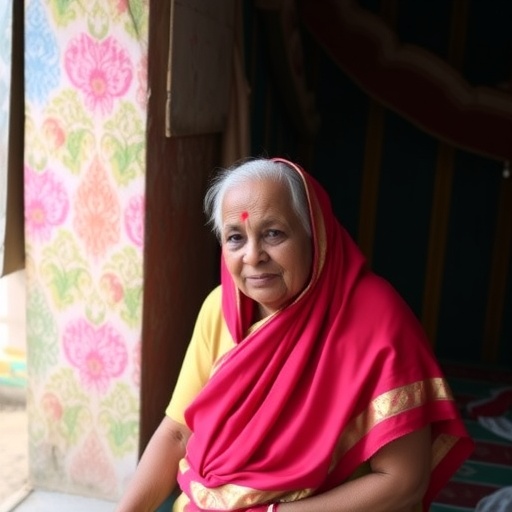
In recent years, the focus on the quality of life among older adults has gained significant attention in both academic and public discourse. As the global population ages, understanding the complexities of aging becomes increasingly essential. A recent study conducted in an Indian district sheds light on various factors that influence the quality of life among older adults. This research, led by Gupta et al., discusses how socioeconomic, psychological, and physical health factors interplay to shape the experiences of elderly individuals.
The study meticulously samples a diverse population to ensure comprehensive insights into the issues affecting older adults. Participants were selected from various backgrounds, which allowed for a nuanced understanding of the disparities in quality of life among differing demographic groups. Given India’s vast cultural diversity, the findings have implications beyond the immediate geographic setting and may serve as a reference point for similar regions facing aging challenges.
One of the key findings of the research emphasizes the role of socioeconomic status in determining quality of life. The study outlines how individuals with higher income and educational levels report better levels of well-being. This correlation suggests that economic stability provides more than just financial security, offering social opportunities and access to resources that enhance life satisfaction and health.
Psychological factors also emerge as crucial determinants of well-being among older adults. The research highlights the significance of mental health, showing that conditions such as depression and anxiety can significantly detract from quality of life. Respondents who reported feeling socially isolated or lacking emotional support exhibited lower quality-of-life scores, demonstrating the importance of social connections and mental health services in this demographic.
Physical health is another vital area addressed in the study. Chronic conditions like diabetes, hypertension, and other age-related ailments were closely examined. Those with multiple chronic conditions experienced a lower quality of life compared to their healthier counterparts. This segment underscores the interconnectedness of physical health and daily functioning, asserting that managing chronic diseases effectively is crucial for improving life quality in the elderly.
Access to healthcare services is highlighted as a significant factor influencing both physical and mental health outcomes. Older adults often face barriers such as transportation difficulties, limited availability of specialized care, and healthcare costs. The findings advocate for policy reforms aimed at improving accessibility to healthcare services for the aging population, emphasizing that timely medical intervention can dramatically enhance life quality.
The research further delves into the impact of community engagement and participation on the well-being of older adults. The study reveals that those actively involved in community activities report higher levels of satisfaction and well-being. This correlation emphasizes the importance of fostering inclusive communities that encourage participation from all age groups, benefiting not only the elderly but society as a whole.
Another noteworthy insight from the study is the role of family support systems. Respondents with robust family networks reported a higher quality of life. The emotional and practical assistance provided by family members plays a significant role in helping older adults navigate the challenges they face. Such findings highlight the need for society to support family units in providing care for their elderly members.
Furthermore, the impact of cultural attitudes towards aging cannot be overlooked. The study indicates that societal perceptions can influence how older adults view their own quality of life. In cultures where aging is respected and valued, individuals tend to report higher satisfaction with their lives. This aspect urges a reconsideration of how societies portray aging, pushing for a more respectful and caring approach toward elderly individuals.
The implications of this research are significant, as they call for a multidimensional approach to addressing the quality of life among older adults. Policymakers, healthcare professionals, and community leaders must work cohesively to create environments conducive to healthy aging. This could involve initiatives aimed at enhancing mental health resources, improving healthcare access, and promoting social engagement.
As the population of older adults grows, the urgency to address these factors intensifies. The insights gathered from this study offer a blueprint for interventions aimed at enhancing the lives of older individuals. Collaborative efforts spanning multiple sectors, including healthcare, social services, and community organizations, will be essential in fostering an environment where older adults can thrive.
In conclusion, the study conducted by Gupta et al. provides an essential understanding of the various dimensions affecting the quality of life among older adults in India. By addressing socioeconomic status, mental and physical health, community engagement, and cultural perceptions of aging, the research lays the groundwork for future initiatives aimed at improving the lives of the aging population. The findings serve not only as a localized insight but can inspire global discussions on the aging process and the requisite support needed to enhance the quality of life for all elderly individuals.
The comprehensive nature of this study invites further exploration and research, emphasizing that the journey toward improved quality of life for older adults is an ongoing endeavor requiring collaboration, empathy, and innovation across all sectors of society.
Subject of Research: Quality of Life Among Older Adults in India
Article Title: Quality of Life and Associated Factors Among Older Adults: Evidence from an Indian District
Article References: Gupta, M., Nagdeve, D., Anand, A. et al. Quality of Life and Associated Factors Among Older Adults: Evidence from an Indian District. Ageing Int 50, 56 (2025). https://doi.org/10.1007/s12126-025-09635-7
Image Credits: AI Generated
DOI: https://doi.org/10.1007/s12126-025-09635-7
Keywords: Quality of Life, Older Adults, India, Socioeconomic Status, Mental Health, Physical Health, Community Engagement.
Tags: aging population in Indiacomprehensive study of Indian seniorscultural diversity and agingdemographic influences on elderly experiencesdisparities in elderly well-beingeconomic stability and quality of lifeGupta et al. research on agingphysical health and agingpsychological health in seniorspublic discourse on aging issuesquality of life in older adultssocioeconomic factors affecting elderly