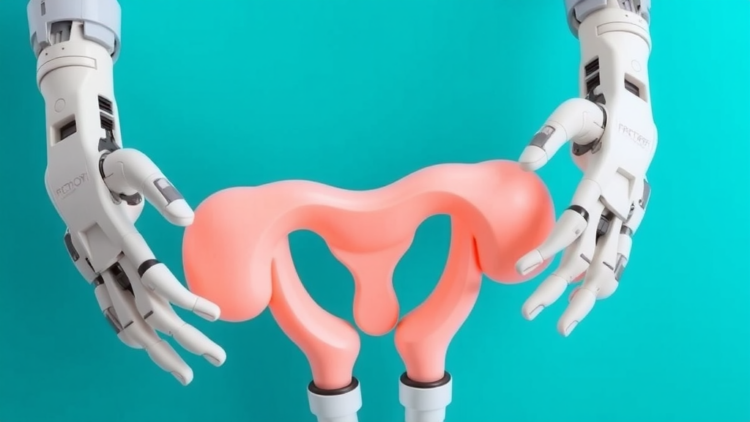
In a groundbreaking exploration of the biochemical landscape of ovarian serous cystadenocarcinoma, researchers have put a spotlight on the Solute Carrier (SLC) Transporter Superfamily, unveiling their potential as therapeutic targets. This family of transporters is critically involved in the cellular uptake and efflux of various substrates, making them pivotal players in numerous physiological and pathological processes. The study, led by the distinguished scholars Cho and Kang, offers a detailed examination of the functional roles that these transporters may play in the context of ovarian cancer.
Ovarian serous cystadenocarcinoma is one of the most prevalent subtypes of ovarian cancer, notorious for its aggressive nature and often late diagnosis. Current treatment options, including chemotherapy and surgical interventions, have limited success, particularly in advanced stages of the disease. Research has been increasingly focused on understanding the molecular mechanisms underlying this complex disease, with an emphasis on identifying novel therapeutic strategies that can improve patient outcomes. The findings on SLC transporters may mark a pivotal shift in this narrative, as they could pave the way for more targeted and effective treatment modalities.
SLC transporters are responsible for the transport of small molecules across cellular membranes, including neurotransmitters, hormones, and amino acids. Their functions are intricately linked to drug metabolism, nutrient availability, and resistance mechanisms in cancers, thereby positioning them as potential targets for drug development. The research highlights that the differential expression of specific SLC transporters in ovarian cancer could provide insights into tumor biology and patient response to treatment.
One of the most compelling aspects of this research is the focus on the interplay between SLC transporters and the tumor microenvironment. The tumor microenvironment is known to influence tumor growth, metastasis, and resistance to therapies. It is hypothesized that SLC transporters may mediate the interaction between cancer cells and surrounding stromal cells, thereby contributing to the tumor’s ability to adapt and survive under therapeutic pressures. Understanding this relationship could unveil new avenues for therapeutic intervention.
Furthermore, the researchers have noted that SLC transporters could be implicated in the development of drug resistance, a significant hurdle in the effective treatment of ovarian serous cystadenocarcinoma. By conducting an in-depth analysis of transporter expression profiles, they sought to identify key players that may contribute to the ineffectiveness of current chemotherapeutic agents. This knowledge could inform the design of combination therapies that not only target the cancer cells directly but also manipulate the transport systems to enhance drug efficacy.
The anticipated impact of this research is multifaceted. For clinicians, the insights gained could lead to enhanced diagnostic tools that refine the stratification of patients based on their tumor’s molecular profile. By pinpointing which transporters are overexpressed or functionally altered, oncologists may decide on the most effective therapeutic approaches tailored to individual patients.
Moreover, from a pharmaceutical perspective, targeting SLC transporters could lead to the development of small-molecule inhibitors or modulators that can be used in conjunction with existing therapies. This strategy has the potential to overcome barriers to drug delivery, improve systemic availability, and ultimately enhance therapeutic outcomes. The push towards precision medicine in oncology finds a strong ally in these findings, indicating the necessity for further studies to validate the clinical utility of SLC transporters as targets in ovarian cancer.
The implications extend beyond ovarian cancer, as SLC transporters are also implicated in other malignancies and conditions. Their ubiquitous role in cellular homeostasis positions them as a universal target for various therapeutic interventions. The research by Cho and Kang might serve as a springboard for broader investigations into other cancers and diseases necessitating a better understanding of solute transport mechanisms.
As we look to the future, the need for comprehensive studies and clinical trials is inevitable. The scientific community must diligently validate these initial findings, expanding on the hypotheses regarding SLC transporters. By employing robust experimental models and clinical cohorts, researchers can elucidate the role of these transporters in drug uptake, resistance, and overall cancer pathophysiology.
Finally, the success of future drug development targeting the SLC transporter superfamily will depend on a multidisciplinary approach. Collaborations between molecular biologists, pharmacologists, and clinical oncologists will be essential to translate laboratory findings into viable clinical strategies. Solute carriers hold promise not only as biomarkers for prognosis but also as active players in the therapeutic landscape against ovarian serous cystadenocarcinoma.
In conclusion, the novel insights presented in this study shed light on a largely overlooked but crucial element of cancer biology. By investigating the Solute Carrier transporter superfamily in the context of ovarian serous cystadenocarcinoma, Cho and Kang have opened up new pathways for therapeutic exploration that could significantly alter the standard of care. As we stand on the brink of what could potentially redefine how we approach treatment for this devastating disease, the scientific community remains hopeful that the promise of targeting SLC transporters will lead to breakthroughs that enhance the lives of patients worldwide.
Subject of Research:
The role of Solute Carrier (SLC) Transporter Superfamily in ovarian serous cystadenocarcinoma.
Article Title:
The Solute Carrier (SLC) Transporter Superfamily as Therapeutic Targets for the Treatment of Ovarian Serous Cystadenocarcinoma
Article References:
Cho, S.Y., Kang, N.S. The Solute Carrier (SLC) Transporter Superfamily as Therapeutic Targets for the Treatment of Ovarian Serous Cystadenocarcinoma.
Reprod. Sci. (2026). https://doi.org/10.1007/s43032-025-02048-6
Image Credits: AI Generated
DOI:
https://doi.org/10.1007/s43032-025-02048-6
Keywords:
Ovarian Cancer, SLC Transporters, Therapeutic Targets, Chemoresistance, Tumor Microenvironment, Precision Medicine
Tags: advanced ovarian cancer researchbiochemical landscape of ovarian cancercell membrane transport mechanismschemotherapy limitations in ovarian cancer treatmentimproving patient outcomes in ovarian cancerinnovative treatment strategies for ovarian cancerlate-stage ovarian cancer challengesmolecular mechanisms of ovarian cancerSLC transporters in ovarian cancersolute carrier transporter superfamilytargeted therapies in ovarian cancer treatmenttherapeutic targets for ovarian serous cystadenocarcinoma