Groundbreaking research is emerging in the field of oncology, particularly regarding drug-resistant breast cancer, a dire challenge in modern medicine. The study conducted by Razavi, Mottaghi, and Dmitrieva et al., titled “Precision Nanotechnology: Revolutionizing Therapeutic Strategies Against Drug-Resistant Breast Cancer,” outlines innovative approaches using nanotechnology to mitigate resistance mechanisms in cancer therapies. This research indicates a transformative potential in treating one of the most prevalent forms of cancer affecting millions worldwide.
Breast cancer often becomes resistant to standard chemotherapy treatments, limiting therapeutic options for patients. This resistance is a complex biological phenomenon, typically driven by genetic mutations, epigenetic changes, and tumor microenvironment interactions. The implications of these factors can render traditional treatments ineffective, leading to disease progression and increased mortality. In this context, the authors highlight how precision nanotechnology can provide new avenues to combat these resistant forms of cancer, presenting a flicker of hope to patients grappling with this relentless disease.
The authors explain the fundamentals of precision nanotechnology, a branch of science focused on engineering materials and drug delivery systems at the nanoscale. These systems are optimized to enhance drug efficacy and bioavailability while reducing systemic toxicity. Employing nanoparticles can enable targeted drug delivery directly to tumor cells, mitigating the harmful side effects experienced by patients undergoing conventional chemotherapy. This mechanism of action underscores the promise of this innovative technology in revolutionizing cancer treatment paradigms.
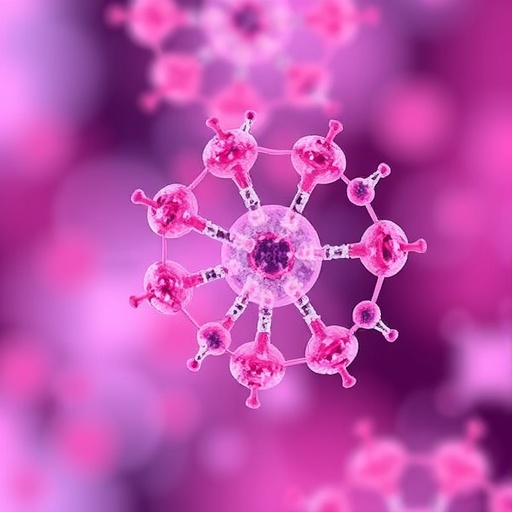
In their comprehensive study, Razavi and his colleagues delve into the various types of nanoparticles being explored for therapeutic applications. These include liposomes, polymeric nanoparticles, and metallic nanoparticles, each possessing unique properties that enhance drug delivery to resistant tumor cells. By leveraging these materials, researchers can manipulate drug release profiles, achieve sustained therapeutic concentrations, and achieve site-specific targeting that bypasses traditional resistance pathways.
The researchers further emphasize the role of surface modifications and functionalization in enhancing the targeting capabilities of nanoparticles. By attaching specific ligands that recognize receptors overexpressed on cancer cells, these engineered nanoparticles improve the selectivity of drug delivery while lowering collateral damage to healthy adjacent tissues. This level of precision is critical for minimizing adverse effects and improving patient outcomes as it alters the interaction between the drug and the tumor microenvironment.
Another crucial element in the research highlights the combination of nanotechnology with personalized medicine. Traditional cancer treatments often employ a one-size-fits-all approach, which fails to consider the unique genetic makeup of each patient’s tumor. The integration of genomics and proteomics into nanotechnology can facilitate the design of bespoke therapeutic strategies tailored to individual tumor profiles. This personalization is expected to enhance the clinical efficacy of treatments while reducing the risk of resistance development.
Integration of nanotechnology with immunotherapy also emerges as an exciting dimension in the study. The research posits that appropriately engineered nanoparticles can awaken immune responses against tumors, creating a multipronged attack on cancer cells that can overcome resistance mechanisms. It highlights the potential of these synthetic materials to not only enhance the delivery of chemotherapeutics but also deliver immune-modulating agents that can bolster the patient’s own immune defense against malignant cells.
Another innovative aspect presented involves the use of nanotechnology for monitoring treatment responses in real-time. By combining therapeutic agents with imaging nanoparticles, clinicians could visualize tumor responses during therapy, adjusting treatment regimens proactively based on observable changes. This capability could refine treatment planning, optimizing the therapeutic path and minimizing unnecessary exposure to ineffective therapies.
As promising as these approaches are, the research also addresses the challenges that accompany the clinical translation of nanotechnology. The safety profiles of nanoparticles must be thoroughly evaluated in preclinical and clinical settings to mitigate toxicity risks. Factors such as biocompatibility, biodegradability, and the long-term impacts of nanoparticle accumulation in the body are concerns that demand rigorous investigation before these technologies can become standard in oncology practice.
Ultimately, the vision presented by Razavi et al. is an optimistic one. The convergence of nanotechnology with cancer therapeutics holds the potential to not only halt drug resistance but also to reinvent the approach to treating breast cancer and potentially other malignancies. Their work encapsulates a bold step toward a future where cancer is not just a chronic disease but a manageable condition with targeted, effective therapies tailored to individual patients.
In this landscape of rapidly evolving science, collaborations among researchers, clinicians, and pharmaceutical developers will be pivotal in harnessing the power of nanotechnology. With cancer remaining a leading cause of mortality worldwide, such interdisciplinary efforts could yield the breakthrough advancements needed to turn the tide against this devastating disease. The journey from laboratory to clinic may be fraught with challenges, but the technology’s promise signifies a transformative era in cancer therapy awaits.
As we look to the future, the findings from this study may serve as a foundational framework for refining cancer treatment protocols. Further investigations will illuminate the complex relationships between nanoparticles and biological systems, ensuring that precision nanotechnology doesn’t just aim at defeating drug-resistant breast cancer but also represents a broader shift toward smarter, safer, and more effective therapies across the oncology spectrum.
In conclusion, the nexus of precision nanotechnology and breast cancer therapy heralds an exciting frontier in medical research. It not only showcases the scientific community’s ingenuity but also embodies the hope of patients yearning for greater options in their battles against drug-resistant cancer. As the researchers indicate, the possibilities for improving patient outcomes are vast, and with sustained effort, the fight against drug resistance could turn from a formidable challenge into a conquerable foe.
Subject of Research: Precision Nanotechnology in combating drug-resistant breast cancer
Article Title: Precision Nanotechnology: Revolutionizing Therapeutic Strategies Against Drug-Resistant Breast Cancer
Article References: Razavi, Z., Mottaghi, A., Dmitrieva, L. et al. Precision Nanotechnology: Revolutionizing Therapeutic Strategies Against Drug-Resistant Breast Cancer. Ann Biomed Eng (2026). https://doi.org/10.1007/s10439-025-03963-0
Image Credits: AI Generated
DOI: https://doi.org/10.1007/s10439-025-03963-0
Keywords: Nanotechnology, breast cancer, drug resistance, precision medicine, targeted therapy, cancer treatment, immunotherapy, personalized medicine, nanoparticles, chemotherapy.
Tags: drug-resistant breast cancer treatmentenhancing drug efficacy with nanotechnologyfuture of cancer treatment with nanotechgenetic mutations in breast cancerinnovative cancer therapy strategiesnanotechnology in drug deliveryovercoming chemotherapy resistanceprecision nanotechnology in oncologyreducing toxicity in cancer treatmentstargeted drug delivery systemstherapeutic advancements in breast cancertumor microenvironment interactions