In a groundbreaking study published in the Journal of Ovarian Research, researchers have explored the intricate mechanisms through which Zishen Yutai Wan, a traditional Chinese medicine, exhibits its therapeutic effects against polycystic ovary syndrome (PCOS). This comprehensive investigation employs advanced methodologies, including network pharmacology and molecular docking studies, to unravel the complex biochemical interactions that facilitate the treatment of this prevalent endocrine disorder.
Polycystic ovary syndrome, affecting a significant number of women globally, is characterized by a range of symptoms including irregular menstrual cycles, hyperandrogenism, and polycystic ovaries. The multifactorial nature of PCOS poses a challenge in the development of effective treatments, making the exploration of traditional medicinal approaches crucial. In this context, Zishen Yutai Wan emerges as a significant candidate due to its historical application in addressing reproductive health issues.
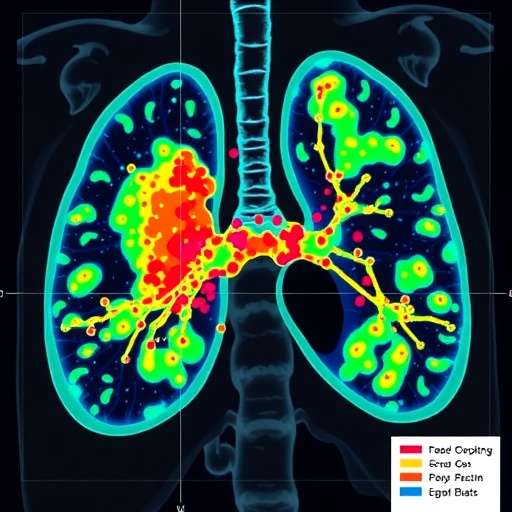
The researchers’ methodology began with the identification of bioactive components present in Zishen Yutai Wan. Using network pharmacology principles, they mapped out the potential targets of these bioactive compounds. By analyzing various databases, the team could draw connections between the components of Zishen Yutai Wan and numerous biological processes associated with PCOS. The complexity of this network illustrates how traditional herbal remedies may exert effects through multiple pathways, offering a multifaceted approach to treatment versus the single-target focus typical of conventional pharmaceuticals.
Central to the study is the use of molecular docking simulations, which allow for the examination of interactions at the molecular level. By modeling the binding affinities between Zishen Yutai Wan’s active constituents and various target proteins implicated in PCOS, the researchers were able to predict how these compounds engage with biological targets. This computational analysis not only enhances understanding but also provides a more robust framework for evaluating the efficacy of traditional remedies.
One particularly noteworthy finding from the research was the role of inflammation in the pathophysiology of PCOS. The study identified that certain components of Zishen Yutai Wan possess anti-inflammatory properties, which could theoretically mitigate some of the underlying issues in PCOS, potentially restoring hormonal balance and improving reproductive function. This insight aligns with the growing body of literature suggesting that inflammation plays a crucial role in the development and exacerbation of PCOS symptoms.
The implications of these findings extend further into the realm of personalized medicine. As women with PCOS often experience varied symptoms and varying degrees of severity, understanding the specific interactions of Zishen Yutai Wan could pave the way for tailored therapeutic strategies. This research underscores an evolving paradigm in medicine where traditional practices are not only respected but systematically analyzed using modern scientific techniques, bridging the gap between historical knowledge and contemporary medical science.
Moreover, the research does not claim that Zishen Yutai Wan is a panacea for PCOS but rather emphasizes its potential as a complementary therapy. The complexity of PCOS necessitates a holistic approach to treatment, considering lifestyle modifications, dietary factors, and psychological well-being alongside any medicinal interventions. The findings advocate for integrative treatment strategies that combine modern medical insights with age-old healing practices, fostering enhanced patient-care outcomes.
As the scientific community continues to uncover the molecular intricacies behind various health conditions, studies like this one serve as vital reminders of the potential hidden within traditional medicinal systems. The resurgence of interest in alternative treatments is evident, primarily due to a growing recognition of the limitations of conventional drugs, which can often come with adverse effects. With rigorous investigation, such as that conducted in the present study, traditional medicines can be examined for their efficacy and applications in contemporary healthcare settings.
What is equally important is the community aspect of research on traditional medicines. Collaborative efforts between ethnobotanists, pharmacologists, and clinical researchers yield a more comprehensive understanding of the therapeutic landscape. Additionally, the global educational exchange on herbal medicine offers valuable data for future research initiatives, potentially leading to more discoveries that could change how we approach diseases like PCOS.
As we look to the future, the study of Zishen Yutai Wan exemplifies how network pharmacology and molecular docking can be effectively employed to decode the ancient wisdom behind traditional medicines. The intersection of culture, history, and scientific inquiry not only enriches the current understanding of PCOS but also encourages a broader acceptance of integrative health approaches that resonate with diverse populations across the globe.
Following the research findings, clinical trials will be essential in corroborating these outcomes with empirical evidence. The transition from laboratory to clinical settings is crucial for determining the real-world efficacy of Zishen Yutai Wan in various patient demographics. An evidence-based approach will only serve to bolster confidence in integrating such traditional practices within modern medicine.
In conclusion, the investigation into the mechanisms by which Zishen Yutai Wan targets PCOS highlights the vital importance of blending traditional and modern scientific methodologies. This convergence offers promise not just for better understanding existing therapeutic options but potentially for discovering new treatments that align with today’s health challenges. As the global medical community continues to synthesize these domains, patients may increasingly benefit from enhanced treatments that acknowledge the wisdom of the past while navigating the complexities of current health issues.
By approaching health through a multifaceted lens, researchers open doors to innovative therapies that are as diverse as the experiences of those living with conditions like PCOS. The findings from this study serve as a compelling narrative for the ongoing dialogue between tradition and innovation, urging further exploration and a collective pursuit of wellness.
Subject of Research: Mechanisms of Zishen Yutai Wan in treating polycystic ovary syndrome
Article Title: Network pharmacology and molecular docking reveal the mechanism of Zishen Yutai Wan against polycystic ovary syndrome
Article References: Ying, Z., Hongqiu, Z., Junjie, L. et al. Network pharmacology and molecular docking reveal the mechanism of Zishen Yutai Wan against polycystic ovary syndrome. J Ovarian Res (2026). https://doi.org/10.1186/s13048-025-01928-4
Image Credits: AI Generated
DOI:
Keywords: polycystic ovary syndrome, Zishen Yutai Wan, network pharmacology, molecular docking, traditional medicine, inflammation, integrative health
Tags: advanced methodologies in medical researchbioactive components of Zishen Yutai Wanherbal remedies for endocrine disordersmechanisms of PCOS treatmentmolecular docking studies in PCOSmultifactorial nature of PCOSnetwork pharmacology in herbal medicinePolycystic Ovary Syndrome treatmentreproductive health and PCOStherapeutic effects of traditional herbal medicinetraditional Chinese medicine for PCOSZishen Yutai Wan