In the relentless pursuit of innovative therapies for liver diseases, recent research has unveiled promising avenues involving natural extracts and established pharmacological agents. A groundbreaking study led by El-Fakharany and colleagues, published in Medical Oncology, delves into the therapeutic potential of Syzygium aromaticum ethanolic extract combined with Silymarin® in combating liver fibrosis induced by carbon tetrachloride (CCl4). This research not only elucidates the multifaceted biological activities of these compounds but also paves the way for integrative approaches in liver disease management, leveraging antioxidant, antibacterial, and anti-inflammatory properties.
Liver fibrosis, characterized by excessive deposition of extracellular matrix components, primarily collagen, leads to compromised hepatic function and is a precursor to cirrhosis and hepatocellular carcinoma. Carbon tetrachloride remains a widely accepted agent for experimentally inducing liver fibrosis due to its well-characterized mechanism of hepatotoxicity centered on oxidative stress and subsequent inflammatory cascades. The hepatotoxic metabolite CCl3*, formed via cytochrome P450 activation, instigates lipid peroxidation, mitochondrial dysfunction, and apoptotic signaling, culminating in cellular damage and fibrotic remodeling.
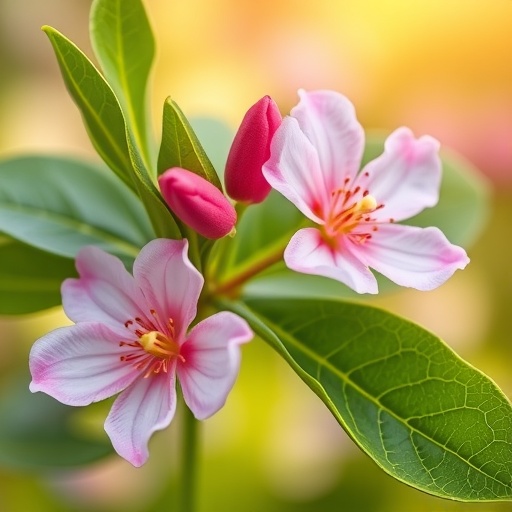
Central to the study is Syzygium aromaticum, commonly known as clove, a plant historically revered not only for its culinary applications but also for its ethnomedicinal virtues. The ethanolic extract of clove harbors a spectrum of bioactive constituents, predominantly eugenol, which is recognized for its potent free radical scavenging, microbial inhibition, and modulation of inflammatory pathways. By harnessing these pharmacodynamic effects, the researchers hypothesized that clove extract could attenuate fibrogenesis and restore hepatic integrity.
Silymarin®, a standardized extract from the milk thistle (Silybum marianum), is well-established as a hepatoprotective agent. Its major flavonolignans, including silibinin, exhibit robust antioxidant mechanisms, enhancing cellular defense systems against reactive oxygen species (ROS) and curbing inflammatory mediators such as tumor necrosis factor-alpha (TNF-α). The synergistic deployment of Silymarin® with Syzygium aromaticum extract represents a dual strategy targeting oxidative stress and the inflammatory milieu characteristic of liver injury.
In meticulously designed in vivo experiments, the study utilized murine models subjected to carbon tetrachloride administration to induce liver fibrosis. Treatment groups receiving either clove extract, Silymarin®, or their combination demonstrated marked amelioration in liver histopathology compared to untreated controls. Notably, fibrotic tissue deposition diminished, and hepatocyte architecture was preserved, underscoring the therapeutic efficacy of these interventions.
Biochemical analyses further reinforced these findings, with significant reductions detected in serum alanine aminotransferase (ALT), aspartate aminotransferase (AST), and alkaline phosphatase (ALP) levels in treated animals. These enzymes are critical indicators of hepatic cellular damage—thus, their normalization suggests restoration of hepatocyte function. Moreover, the antioxidant status, assessed through markers like superoxide dismutase (SOD) and catalase activities, was significantly enhanced following treatment, highlighting the reduction in oxidative burden.
The inflammatory status within hepatic tissue was also modulated profoundly. Quantitative evaluation of pro-inflammatory cytokines, including interleukin-6 (IL-6) and interferon-gamma (IFN-γ), revealed substantial downregulation post-treatment. This immunomodulatory effect is crucial because sustained inflammation perpetuates fibrogenic processes by activating hepatic stellate cells and promoting extracellular matrix deposition.
Interestingly, the study also explored the antibacterial properties of Syzygium aromaticum extract within this pathological context. The compromised liver often predisposes individuals to bacterial infections, which exacerbate morbidity. Clove’s broad-spectrum antimicrobial activity, attributable to components like eugenol and beta-caryophyllene, was affirmed through in vitro assays demonstrating significant inhibition of common pathogenic strains such as Staphylococcus aureus and Escherichia coli. Therefore, its application holds the potential to mitigate infection-related complications during liver fibrosis therapy.
Mechanistically, the synergism observed between clove extract and Silymarin® seems to stem from their complementary targeting of oxidative and inflammatory pathways, thereby orchestrating a comprehensive hepatoprotective environment. This multi-targeted approach could counteract the complex pathophysiology of liver fibrosis more effectively than monotherapies. The study’s findings thus underscore the importance of integrating phytotherapeutics with conventional agents for enhanced clinical outcomes.
Beyond therapeutic implications, the research also emphasizes the significance of sustainable and accessible natural products in combating chronic diseases prevalent globally. The use of plant-derived compounds offers a promising route to develop affordable and less toxic alternatives to synthetic drugs, particularly for resource-limited settings where liver disease burden is high.
Moreover, this research contributes to the expanding field of nutraceuticals and functional foods, as Syzygium aromaticum is widely used as a dietary spice. Its dual role as a food additive and medicinal agent underscores the blurred boundaries between nutrition and pharmacology, fostering a paradigm that embraces dietary components as integral elements of disease prevention and management.
Future clinical trials inspired by these preclinical results will be critical to validate safety, optimal dosing, and efficacy in human subjects. The interplay between dosage thresholds and therapeutic windows must be delineated carefully, given natural extracts’ complex chemical profiles and potential for unforeseen interactions.
In conclusion, the innovative study by El-Fakharany et al. not only advances our understanding of the molecular interplay underpinning liver fibrosis but also heralds a promising therapeutic modality combining Syzygium aromaticum ethanolic extract with Silymarin®. By integrating antioxidant, antibacterial, and anti-inflammatory effects, this combined therapy offers a multifaceted shield against hepatic injury, potentially transforming liver fibrosis management in the near future.
This pioneering research stands as a testament to the power of merging traditional botanical wisdom with modern pharmacological science. It fortifies the bridge across disciplines, scanning the horizon for novel, efficacious, and sustainable treatments that could alleviate the global liver disease burden, inviting further exploration and innovation in this vital clinical arena.
Subject of Research:
The ameliorative effects of Syzygium aromaticum ethanolic extract and Silymarin® on carbon tetrachloride-induced liver fibrosis, focusing on antioxidant, antibacterial, and anti-inflammatory activities.
Article Title:
Ameliorative efficacy of Syzygium aromaticum ethanolic extract and Silymarin® upon carbon tetrachloride-induced liver fibrosis: antioxidant, antibacterial and anti-inflammatory activities.
Article References:
El-Fakharany, E.M., El-Sayed, M.H., Ali, H.M. et al. Ameliorative efficacy of Syzygium aromaticum ethanolic extract and Silymarin® upon carbon tetrachloride-induced liver fibrosis: antioxidant, antibacterial and anti-inflammatory activities. Med Oncol 43, 37 (2026). https://doi.org/10.1007/s12032-025-03100-w
Image Credits:
AI Generated
DOI:
https://doi.org/10.1007/s12032-025-03100-w
Tags: anti-inflammatory effects of Silymarin®antioxidant properties of clovescarbon tetrachloride liver damageclove extract therapeutic potentialethnomedicinal uses of clovefibrotic remodeling mechanismshepatotoxicity and oxidative stressinnovative therapies for liver diseasesliver disease management strategiesnatural extracts for liver healthSilymarin® liver fibrosis treatmentSyzygium aromaticum benefits