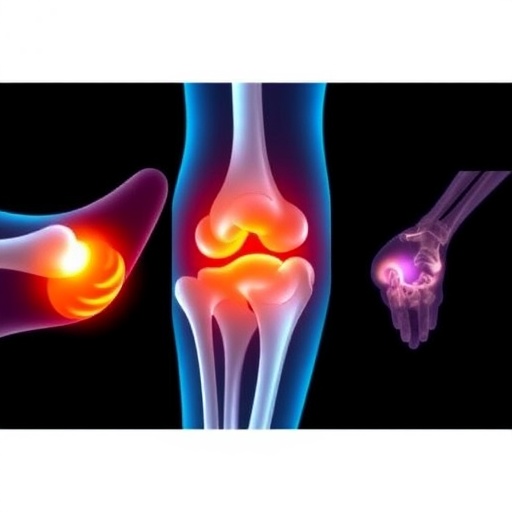
In a groundbreaking study published in Pediatric Radiology, researchers have explored the efficacy of ultrasound-guided core needle joint biopsies in pediatric patients, revealing significant insights into pathological findings and diagnostic performance. This innovative approach aims to refine our understanding of various joint-related conditions in children, paving the way for improved diagnostic accuracy and patient care. The research, led by Oliveira, Girdwood, and Pezeshkpour, brings to light important clinical relevance that could transform how pediatric joint conditions are diagnosed and treated.
Over the years, joint biopsies have been a crucial component in diagnosing various disorders, including infections, inflammatory diseases, and tumors. Traditional techniques often involve invasive procedures that may be uncomfortable and carry the risk of complications. However, ultrasound-guided core needle biopsies provide a minimally invasive alternative that allows for real-time imaging and precise targeting of the joint area. This advancement in technology not only enhances the accuracy of the procedure but also significantly reduces patient discomfort and recovery time.
In this study, the researchers meticulously examined the ultrasound-guided core needle biopsy process, assessing its effectiveness in obtaining a histopathological diagnosis. By focusing on a cohort of children presenting with unexplained joint symptoms, the team was able to evaluate the diagnostic performance of this innovative technique. The findings are promising, indicating high sensitivity and specificity in detecting various pathologies, marking a crucial step forward in pediatric diagnostics.
The study’s cohort included children of different age groups, providing a comprehensive overview of how age-related factors might influence biopsy outcomes. This demographic diversity allowed for an exploration of potential variations in the histopathological spectrum of diseases affecting the pediatric population. The ability to pinpoint specific conditions through ultrasound-guided biopsies could lead to tailored treatment strategies, resulting in enhanced clinical outcomes.
One of the most significant aspects of this research is its focus on the clinical relevance of ultrasound-guided biopsies in pediatric patients. The researchers took great care in correlating the biopsy results with clinical presentations, thereby validating the impact of the findings on patient management. Notably, the implications of the accurate diagnosis extend beyond immediate treatment plans; understanding the underlying pathology can lead to better prognostic evaluations and long-term management strategies.
Additionally, the study delves into the safety profile of ultrasound-guided core needle biopsies. With any medical procedure, safety remains a paramount concern, particularly in children. The researchers reported low complication rates, further underscoring the procedure’s appeal. The non-invasive nature of ultrasound guidance significantly minimizes risks associated with traditional biopsy methods, affirming its potential as a first-line diagnostic tool in children with joint-related afflictions.
The impact of this research is expected to resonate throughout the pediatric community, informing future practices in diagnostic radiology and orthopedic care. By establishing strong evidence for the efficacy of ultrasound-guided biopsies, the authors hope to influence clinical guidelines and encourage wider adoption of this practice in pediatric settings. Such a shift could minimize unnecessary explorations and ensure that children receive prompt, appropriate care tailored to their specific diagnoses.
Collaboration among specialists is another vital theme underscored by this research. The integration of radiologists, pediatricians, and orthopedic surgeons is crucial in managing pediatric joint disorders. By fostering an interdisciplinary approach to diagnosis and treatment, healthcare providers can ensure that children benefit from a comprehensive understanding of their conditions, leading to improved outcomes and more robust, patient-centered care.
Going beyond the technical aspects, the emotional and psychological components of undergoing a biopsy in children cannot be overlooked. The researchers call for heightened awareness and proactive communication strategies to address the anxieties that families may experience when faced with such procedures. By providing thorough explanations and support, healthcare teams can help alleviate concerns, making the experience less daunting for both children and their families.
As children are not merely smaller adults, their unique physiological and anatomical characteristics further emphasize the need for specialized procedures like ultrasound-guided core needle biopsies. The findings from this study serve to highlight the importance of adapting medical practices to meet the specific needs of the pediatric population. Not only does this approach enhance diagnostic accuracy, but it also fosters a culture of empathy and understanding in pediatric healthcare.
The significance of the study is also reflected in its implications for medical training and education. As ultrasound-guided techniques become more mainstream, incorporating these practices into medical curricula and residency programs will be essential. By equipping future healthcare providers with the skills to perform these biopsies, the next generation will be better prepared to meet the evolving needs of pediatric patients.
In conclusion, the research led by Oliveira et al. marks a transformative moment in the realm of pediatric diagnostics. By demonstrating the effectiveness, safety, and clinical relevance of ultrasound-guided core needle joint biopsies, the authors have laid the groundwork for a new standard in the evaluation of joint disorders in children. These findings not only promise to improve the quality of care that pediatric patients receive but also herald a shift towards more innovative and child-friendly medical practices.
As the field of pediatric radiology continues to evolve, continued research and collaboration will be critical in refining these procedures and ensuring that they remain at the forefront of diagnostic medicine. The journey towards optimizing pediatric joint evaluations has just begun, but with studies like this, the future looks brighter for young patients facing joint challenges.
Subject of Research: Ultrasound-guided core needle joint biopsies in children
Article Title: Ultrasound-guided core needle joint biopsies in children: pathological findings, diagnostic performance, and clinical relevance
Article References:
Oliveira, V., Girdwood, A., Pezeshkpour, P. et al. Ultrasound-guided core needle joint biopsies in children: pathological findings, diagnostic performance, and clinical relevance.
Pediatr Radiol (2025). https://doi.org/10.1007/s00247-025-06481-2
Image Credits: AI Generated
DOI: 10.1007/s00247-025-06481-2
Keywords: Ultrasound, core needle biopsy, pediatric radiology, joint disorders, diagnostic performance, histopathology, clinical relevance.
Tags: advancements in pediatric diagnostic techniquesclinical relevance of joint biopsiesdiagnostic accuracy in childrenhistopathological diagnosis in pediatricsinfections and tumors in childreninflammatory diseases in pediatric patientsjoint-related conditions in childrenminimally invasive joint procedurespediatric joint biopsiesreducing patient discomfort in biopsiesultrasound imaging in biopsiesultrasound-guided core needle biopsy