In recent years, scientific investigations into the medicinal properties of various natural extracts have gained momentum, particularly in addressing complex health issues like β-thalassemia and related iron overload syndromes. A groundbreaking study has emerged, shedding light on the potential benefits of a standardized extract of Centella asiatica, known as ECa 233. This research presents a compelling case for the therapeutic application of this herbal extract in mitigating brain injuries and enhancing brain function, particularly in the context of β-thalassemia. The innovative approaches taken by the researchers have opened new avenues for future therapeutic possibilities.
β-Thalassemia, a hereditary blood disorder characterized by reduced hemoglobin production, often leads to chronic health complications, including iron overload. This accumulation of iron can cause significant damage to various organs, including the brain. Previous studies have indicated that patients with β-thalassemia frequently suffer from neurological impairments due to iron toxicity. Consequently, identifying effective interventions that can counteract these effects becomes crucial in improving patient quality of life.
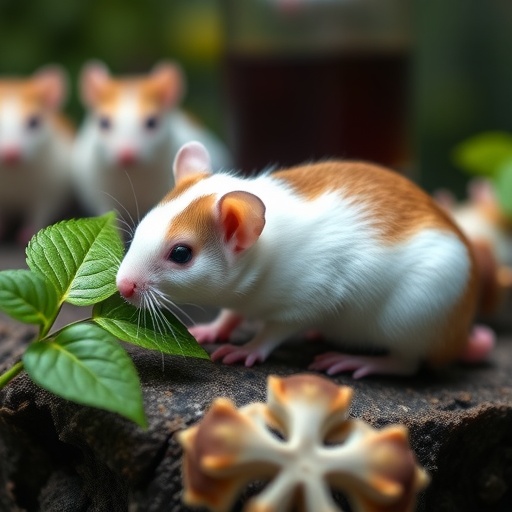
The study in question, conducted by Yatmark and colleagues, rigorously evaluated the neuroprotective effects of ECa 233 in a murine model of β-thalassemia. The researchers meticulously designed their experimental protocols to ensure robust and reproducible results. They administered graded doses of ECa 233 to β-thalassemia mice with iron overload and closely monitored the resultant biological outcomes. The results were nothing short of remarkable—the extract was shown to significantly alleviate brain injuries associated with iron overload.
One of the key findings of this research was the quantifiable improvement in several cognitive and functional parameters in the ECa 233-treated mice. Behavioral tests indicating spatial memory and learning capabilities demonstrated marked enhancement when compared to the untreated control group. These findings provide powerful evidence suggesting that ECa 233 not only mitigates the physical damage inflicted on brain tissue by excess iron but also supports cognitive recovery in affected individuals.
At the molecular level, the mechanisms by which ECa 233 operates have also become a focus of interest for the scientific community. The researchers employed advanced biochemical assays to elucidate the neuroprotective pathways activated by this extract. Preliminary analyses suggest that ECa 233 exerts its effects through antioxidant mechanisms, reducing oxidative stress levels which frequently escalate in conditions of iron overload. This discovery aligns with the well-documented ability of Centella asiatica to modulate cellular functions and promote neuronal health.
Moreover, the findings of this study have implications reaching beyond β-thalassemia. The neuroprotective properties of ECa 233 could hold relevance for a spectrum of neurological disorders where iron dysregulation and oxidative stress play pivotal roles. Conditions such as Alzheimer’s disease and Parkinson’s disease, characterized by neurodegenerative processes, may potentially benefit from similar interventions. This opens the door for further research into therapeutic strategies utilizing standardized herbal extracts.
The authors of the study acknowledge that while the results are promising, further investigations are warranted to fully understand the safety and efficacy of ECa 233 in human subjects. Future clinical trials will be essential not only in establishing dosage parameters but also in evaluating any possible adverse effects associated with prolonged use. It is critical for researchers and healthcare practitioners to exercise caution when translating these findings from animal models to human treatments.
In a broader context, the research study contributes to the expanding field of integrative medicine, where traditional herbal medicines are being meticulously studied and validated through modern scientific methods. The incorporation of herbal extracts like ECa 233 into mainstream therapeutic protocols could signify a paradigm shift, encouraging healthcare providers to adopt a more holistic approach to patient care.
Patient education also plays a vital role in the successful integration of such treatments. When equipped with knowledge about the potential benefits of ECa 233, patients suffering from β-thalassemia may feel empowered to engage actively in discussions regarding their treatment plans. This active participation is known to enhance adherence to therapies, ultimately affecting overall health outcomes positively.
As the demand for natural therapeutic options continues to rise, it is evident that further research into ECa 233 and its mechanisms is needed. The study by Yatmark and colleagues serves as an exemplary model for future investigations—encouraging interdisciplinary collaboration between herbal medicine practitioners, biomedical researchers, and clinical experts. Such partnerships will be essential in paving the way for novel treatment modalities that can address the complex health challenges seen in β-thalassemia and beyond.
Overall, the study’s implications are significant, affecting both the scientific community and those who suffer from β-thalassemia. Through the lens of this research, one can begin to appreciate the therapeutic potential of nature-derived solutions. As we move towards an era of personalized medicine, the undeniable benefits of integrating herbal extracts like ECa 233 into healthcare may soon become a standard practice. The conversation surrounding the synthesis of traditional knowledge and modern scientific inquiry is more vital than ever as we seek holistic solutions to contemporary health challenges.
In sum, ECa 233 represents a promising area for ongoing research and therapeutic exploration. As more evidence emerges to support the use of standardized extracts in clinical settings, we may witness a transformative shift in how we approach the treatment of disorders exacerbated by iron overload, paving the way for better health outcomes in affected populations.
Subject of Research: ECa 233 as a neuroprotective agent in β-thalassemia model
Article Title: A standardized extract of Centella asiatica (ECa 233) alleviates brain injury and improves brain function in β-thalassemia mice with iron overload.
Article References:
Yatmark, P., Anutagerngkun, P., Huaijantug, S. et al. A standardized extract of Centella asiatica (ECa 233) alleviates brain injury and improves brain function in β-thalassemia mice with iron overload.
BMC Complement Med Ther 25, 412 (2025). https://doi.org/10.1186/s12906-025-05145-w
Image Credits: AI Generated
DOI: https://doi.org/10.1186/s12906-025-05145-w
Keywords: β-thalassemia, Centella asiatica, neuroprotection, iron overload, herbal medicine, oxidative stress, cognitive function, brain injury.
Tags: brain health enhancement in miceCentella asiatica extract benefitschronic health complications in β-thalassemiaherbal extracts for neurological impairmentsimproving quality of life in β-thalassemia patientsinnovative approaches in health researchiron overload syndrome interventionsmurine model research on brain injuriesnatural extracts in medicineneuroprotective effects of ECa 233therapeutic applications of Centella asiaticaβ-thalassemia and brain function