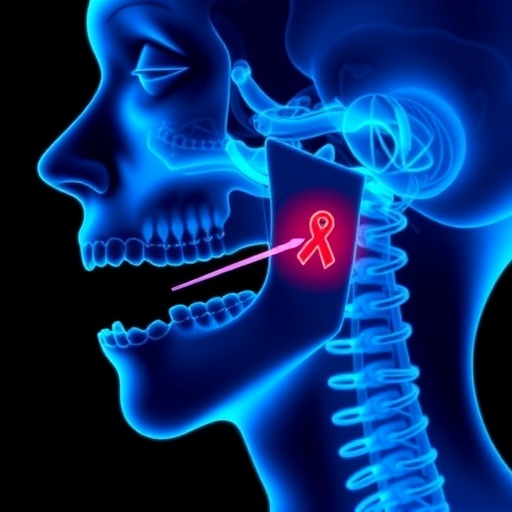
Emerging research is turning a spotlight on the potential implications of Bisphenol A (BPA), a widely used chemical found in plastics, on human health—specifically, its association with oral squamous cell carcinoma (OSCC). In a groundbreaking study published in BMC Pharmacology and Toxicology, researchers Huang, Han, Guo, and their colleagues delve into the multifaceted pathways through which BPA exposure may contribute to the development of this aggressive form of cancer. This exploration promises to reshape our understanding of environmental toxins and their potentially nefarious impacts on human health, raising critical questions about the safety of everyday products containing BPA.
At the heart of this investigation lies the molecular complexity of OSCC, a cancer that arises in the tissues of the oral cavity and pharynx. OSCC accounts for a significant proportion of all head and neck cancers, with increasing incidence rates worldwide. The research highlights the importance of determining not only the direct effects of BPA but also its broader interactions within biological systems. By utilizing a multidimensional network analysis approach, the study meticulously maps how BPA interacts with various cellular pathways, creating a comprehensive profile that elucidates its role in cancer development.
The researchers utilized sophisticated bioinformatics tools to analyze extensive datasets from previous studies, cross-referencing with molecular biology insights that shed light on BPA’s mechanism of action. Remarkably, their findings suggest that BPA may interact with numerous signaling pathways associated with cell proliferation, apoptosis, and DNA repair mechanisms, paving the way for cancerous transformations. These insights underscore the reality that chemical exposure can have cascading effects, triggering a network of biological responses that culminate in disease.
One primary avenue explored in the research is the endocrine-disrupting properties of BPA. As an endocrine disruptor, BPA mimics the activity of estrogen, which can lead to inappropriate cellular signaling. This hormonal mimicry is believed to be a pivotal factor that can instigate oncogenic processes in human cells. By understanding the dynamics of these hormonal interactions, scientists can better grasp the complexities of cancer development and potentially identify targets for therapeutic intervention.
Furthermore, the study discusses the implications of BPA on gene expression. Through its interactions with various receptors, BPA may influence the transcription of genes known to be involved in cancer progression. For instance, upregulation of oncogenes and downregulation of tumor suppressor genes can result from BPA exposure, providing a clearer picture of its role in malignancy. The intricate interplay between BPA and genetic factors illustrates the nuanced battle within our cells, wherein external chemical agents can disrupt normal cellular function.
In addition to genetic impacts, the study highlights the role of oxidative stress as a mediator of BPA-related carcinogenesis. BPA exposure has been shown to elevate levels of reactive oxygen species (ROS), which can cause cellular damage and mutations in DNA. The induction of oxidative stress is a well-established mechanism through which chemicals can promote tumorigenesis. Understanding how BPA contributes to oxidative stress might be crucial in developing strategies to counteract its harmful effects.
Importantly, the study does not overlook the significance of lifestyle factors that may amplify the cancer risks associated with BPA exposure. Factors such as diet, smoking, and alcohol consumption can interact synergistically with BPA, exacerbating its toxicological profile. This comprehensive lens is crucial in appreciating the role of environmental toxins in a broader context, where individual behaviors and exposures intertwine to shape cancer risk.
As the scientific community strives to uncover the manifold effects of environmental toxins, this research offers a rich framework for understanding BPA’s role in the etiology of OSCC. By utilizing advanced analytical techniques, the authors illuminate the critical pathways through which this ubiquitous chemical may contribute to cancer development. This type of multidimensional analysis is not only groundbreaking but also essential in the face of rising concerns over chemical exposures in modern life.
Given the widespread use of BPA in consumer products, from food containers to thermal receipts, the ramifications of this research are profound. It calls for a reevaluation of regulatory policies regarding BPA and similar chemicals, urging policymakers to take heed of the burgeoning evidence linking these substances to serious health issues. The implications extend beyond mere academic interest; they demand a societal response to protect public health.
Public awareness on the dangers of BPA has been growing, yet there remains a gap in understanding its long-term health effects. This study acts as a clarion call for consumers to reconsider their exposure to BPA-laden products. Increased awareness is key to fostering healthier environments and encouraging individuals to make informed choices regarding their exposure to harmful chemicals.
In conclusion, as the interplay between environmental chemicals and human health becomes ever clearer, studies like this one serve as crucial reminders of the hidden dangers lurking in everyday products. The intricate relationship between BPA and oral squamous cell carcinoma offers a glimpse into a complex web of biological interactions that require further exploration. As research continues to unveil the mechanisms at play, it is vital for society to advocate for safety and regulation in the use of such chemicals, ultimately striving toward a future where public health is prioritized.
This investigation into BPA and its potential links to OSCC represents just the beginning. As more research emerges, it may pave the way for novel therapeutic strategies or preventatives that target these molecular mechanisms. Understanding these pathways will not only enhance our grasp of OSCC’s etiology but could also inform a broader narrative about environmental health risks.
In essence, the work of Huang and colleagues underscores the necessity of interdisciplinary collaboration in tackling the complexities of cancer research. By bridging toxicology, molecular biology, and epidemiology, researchers can forge a path toward illuminating the hidden threats posed by chemicals like BPA and their role in the global cancer epidemic. The pursuit of knowledge in this arena is not merely academic; it holds the potential to enact actionable change that could benefit future generations.
Subject of Research: The potential mechanisms of Bisphenol A exposure on oral squamous cell carcinoma.
Article Title: Mechanisms of Bisphenol A exposure on oral squamous cell carcinoma: a multidimensional network analysis.
Article References:
Huang, J., Han, S., Guo, M. et al. Mechanisms of Bisphenol A exposure on oral squamous cell carcinoma: a multidimensional network analysis.
BMC Pharmacol Toxicol 26, 193 (2025). https://doi.org/10.1186/s40360-025-01029-4
Image Credits: AI Generated
DOI: https://doi.org/10.1186/s40360-025-01029-4
Keywords: Bisphenol A, oral squamous cell carcinoma, cancer research, endocrine disruptors, oxidative stress, molecular biology.
Tags: bioinformatics in cancer studiesBisphenol A health implicationsBPA and oral cancercancer development and BPA exposurecellular interactions in cancercomprehensive cancer risk assessmentenvironmental toxins and cancerhead and neck cancer incidencemolecular pathways of OSCCOral Squamous Cell Carcinoma researchplastic chemicals and health riskstoxicology of everyday products