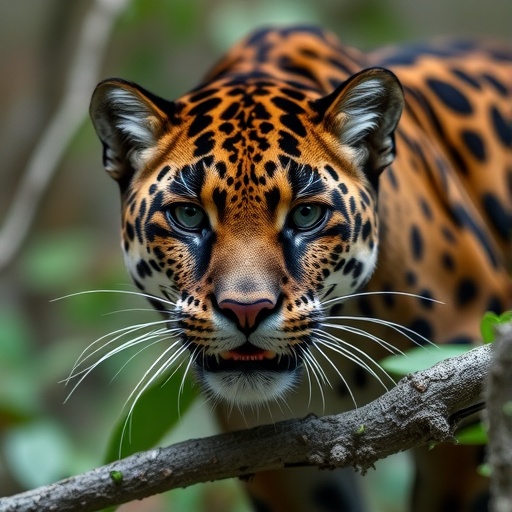
In the mid-1990s, the Florida panther was teetering on the precipice of extinction, a shadow of its once robust population. With fewer than thirty individuals remaining in the wild, this apex predator faced severe genetic bottlenecks resulting from habitat fragmentation, unregulated hunting, and geographical isolation. These pressures culminated in intense inbreeding, which in turn triggered a cascade of deleterious effects such as reproductive failure, developmental abnormalities, and compromised immune function. These challenges nearly condemned the species to oblivion, threatening the loss of a vital predator integral to the ecological balance within Florida’s fragile ecosystems.
Decades later, a groundbreaking genomic study co-led by University of Central Florida Assistant Professor Robert Fitak and UCLA researcher Diana Aguilar-Gómez provides compelling evidence that this genetic rescue has been enormously successful. By sequencing the full genomes of 29 post-rescue Florida panthers and integrating this data with prior genomic datasets, researchers assessed the intricate dynamics of gene flow and genetic health in the hybrid population. The findings reveal a remarkable increase in genetic heterozygosity, signifying robust genetic diversity that buffers the population against inbreeding-related vulnerabilities.
.adsslot_EoaVAbYTvM{width:728px !important;height:90px !important;}
@media(max-width:1199px){ .adsslot_EoaVAbYTvM{width:468px !important;height:60px !important;}
}
@media(max-width:767px){ .adsslot_EoaVAbYTvM{width:320px !important;height:50px !important;}
}
ADVERTISEMENT
Contrary to early concerns, the study found no evidence of genetic swamping. Panthers possessing mixed Florida-Texas ancestry maintained a dominant proportion of Florida-specific genetic traits, with Florida ancestry levels averaging between 59% and 80%. This retention of unique Florida puma characteristics dispels fears that Texas genes would dilute the distinctiveness of the indigenous population. Instead, post-rescue generations retained the phenotypic and physiological hallmarks of pre-rescue Florida panthers, underscoring the success of managed introgression in conservation genomics.
Importantly, the additional genetic variation introduced by the Texas pumas appears to have mitigated the burden of deleterious variants within the population. While harmful mutations were not entirely eliminated, they were effectively masked by heterozygosity, reducing their phenotypic expression and attendant fitness costs. This genetic buffering effect revitalized the population’s overall health, a genetic renaissance catalyzed by carefully orchestrated interbreeding. The new genetic composition improved resilience against disease and environmental stressors, factors crucial for long-term survival.
Despite these optimistic results, researchers remain vigilant about the future. Continuous genomic monitoring is indispensable to detect any resurgence of inbreeding or genetic erosion should population sizes decline again. The longevity of the genetic rescue depends not only on maintaining population numbers but also on preserving diverse gene pools through ongoing habitat protection and management. Monitoring efforts enable conservationists to intervene proactively, forestalling a recurrence of the 1990s genetic crisis.
On a broader ecological scale, the survival of the Florida panther extends beyond the species itself. As an apex predator and keystone species, the panther exerts vital top-down controls that regulate prey populations and shape ecosystem dynamics. Its presence signals a healthy environment, and its conservation has cascading benefits for myriad other taxa sharing its habitat. Protecting the panther thus safeguards ecological integrity, highlighting the interconnectedness of species and ecosystems.
The success of this multi-institutional project underscores the power of collaboration and data sharing. By leveraging decades of genetic sampling and sequencing from diverse academic and governmental sources, researchers could construct a comprehensive genomic portrait of the population’s trajectory. Open access to such datasets accelerates scientific discovery and facilitates adaptive management approaches, a principle with widespread resonance in conservation science.
For Floridians, the panther is more than an endangered species — it is a cultural and natural icon symbolizing the state’s wild heritage. Saving the Florida panther preserves an emblem of biological diversity and resilience, inspiring public support and engagement with conservation. The narrative of the panther’s near-extinction and remarkable recovery embodies a hopeful blueprint for species preservation amidst human-driven environmental change.
As pressures from climate change, habitat encroachment, and human-wildlife conflict intensify globally, the lessons learned from the Florida panther genetic rescue will inform future interventions. Harnessing genomic technologies and integrative conservation strategies offers unprecedented avenues to prevent extinctions and restore ecosystem function. The Florida panther’s tale exemplifies how science, policy, and community efforts converge to write an enduring chapter of wildlife recovery in the Anthropocene.
Subject of Research: Genetic restoration and conservation genetics of the Florida panther population
Article Title: Proceedings of the National Academy of Sciences
News Publication Date: 28-Jul-2025
Web References: http://dx.doi.org/10.1073/pnas.2410945122
Image Credits: Photo credit: Ana Hidalgo
Keywords: Conservation genetics, Population genetics, Ecology, Endangered species, Wildlife
Tags: apex predator recoveryconservation genetics researchecological balance in Floridaendangered species recoveryFlorida panther conservationFlorida wildlife preservationgenetic diversity enhancementgenetic restoration effortshabitat fragmentation impactsinbreeding depression in wildlifeTexas puma translocationwildlife population viability