
In the natural world, aging manifests in diverse ways, but it primarily stems from fundamental cellular processes. As time passes, the intricate machinery of cells—made up of DNA and other molecular components—undergoes gradual wear and tear that impacts their functionality. Traditional indicators of aging might be easy to observe on the surface, such as wrinkles or hair loss, but the more profound transformations occur within the cells themselves. Understanding how certain species manage to counteract these cellular changes can provide profound insights into the complexities of aging and longevity.
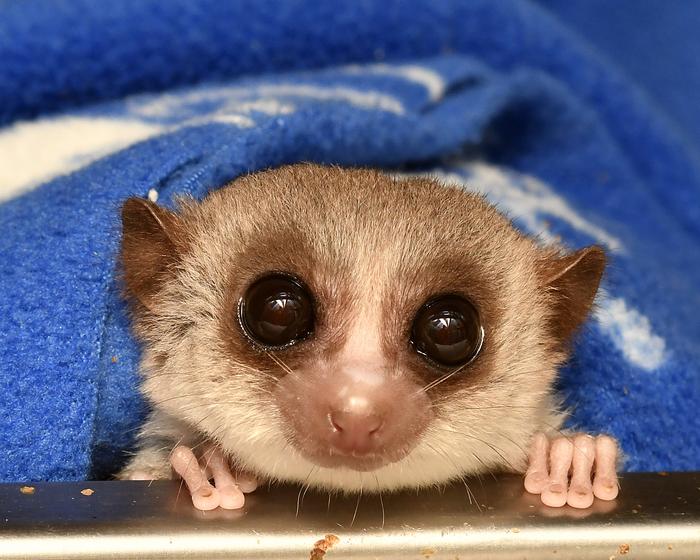
Among the most fascinating of these species is the fat-tailed dwarf lemur, a small primate native to Madagascar. New research, spearheaded by a team from Duke University alongside the University of California, San Francisco, delves into the unique adaptive strategies of these remarkable creatures. This study highlights their extraordinary ability to momentarily halt the aging process during hibernation, offering essential clues about cellular rejuvenation and age resistance. These findings challenge long-held assumptions about aging, introducing an evolutionary perspective that may help unlock new approaches to enhance human health and longevity.
Central to the aging process in all living organisms is a protective feature on the ends of chromosomes known as telomeres. Telomeres serve a crucial function, analogous to the plastic tips that prevent shoelaces from fraying. However, with each division of a cell, a portion of these telomeres is lost. This shortening process perpetuates as the organism ages, resulting in progressively diminished cellular protection. Factors like chronic stress, lack of exercise, and insufficient sleep accelerate telomere attrition, amplifying age-related vulnerabilities.
What makes the fat-tailed dwarf lemur especially intriguing is its distinctive ability to maintain and even lengthen its telomeres during hibernation. This seasonal behavioral adaptation provides a unique reproductive advantage, allowing the lemurs to survive when food sources are scarce. During hibernation, the lemurs enter a state of metabolic torpor, drastically slowing their bodily functions. Heart rates plummet from a standard rate of around 200 beats per minute to less than eight. They may breathe once every ten minutes, effectively suspending their biological processes and conserving energy during periods of scarcity.
In the research conducted on 15 different dwarf lemurs at the Duke Lemur Center, scientists monitored telomere lengths using cheek swabs before, during, and after hibernation. Through this experimental study, researchers simulated winter conditions by gradually lowering thermostat settings and providing the lemurs with artificial burrows. One group was privy to food during their periods of arousal; the other sustained prolonged fasting similar to what they experience in their natural habitat. Despite the expectation that telomeres would shorten during prolonged hibernation, researchers found an unexpected increase in their lengths.
This increase poses critical questions about the biological mechanisms underpinning telomere lengthening, particularly during the stressors of hibernation. As metabolic processes slow, a potential cellular repair mechanism may be activated, enabling the lemurs to rejuvenate their cells and attain a physiological state reminiscent of youth. The findings indicate that the deeper the state of torpor, the more significant the extension of telomeres observed. On the contrary, lemurs that occasionally woke for nourishment exhibited stable telomere lengths; they did not experience the same rejuvenating effects.
Two weeks post-hibernation, researchers noted that telomeres reverted to their baseline lengths, suggesting that while this telomere extension offers temporary benefits, it is not a permanent alteration to the cellular architecture. However, this phenomenon could play an essential role in mitigating cellular damage. During rewarming phases following extended hibernation, the rapid metabolic demands could potentially introduce significant cellular stress. Thus, the ability to elongate telomeres might serve as a protective measure against such oxidative damage, enabling cells to continue functioning efficiently.
Interestingly, similar instances of telomere elongation have been documented in humans under specific stress conditions, such as prolonged space missions or deep-sea living. While the telomere lengthening in lemurs presents a captivating evolutionary development, it also suggests shared biological pathways that emerge under stress across species. This adaptability may contribute to longevity, allowing organisms like the fat-tailed dwarf lemur to survive up to twice as long as other similarly-sized primates that do not hibernate.
The findings from this research hold promise for potential applications in human health and longevity. By dissecting the mechanisms through which the lemurs maintain and extend their telomeres, researchers hope to derive therapeutic strategies aimed at combating aging-related diseases among humans. The possibility of unlocking cellular repair techniques that promote healthy aging presents exciting avenues for exploration in gerontology. Crucially, such advancements could lead to interventions that prevent age-related cellular degradation without the excessive risks that increased cell division might entail, such as promoting cancerous growths.
Amidst these revelations, the ultimate question remains: what specific cellular processes enable the fat-tailed dwarf lemur to extend their telomeres? Continued research will be required to unravel the molecular determinants behind this extraordinary capability. The exploration of telomere biology holds potential to transform our understanding of aging, leading to life-altering advancements in medicine and health. As science progresses forward, the fat-tailed dwarf lemur stands out as an emblem of hope in the quest against aging and the longing for prolonged vitality.
In summation, the fat-tailed dwarf lemur has provided unexpected insights into cellular aging and rejuvenation. This small primate’s ability to extend its telomeres during hibernation throws open a door to understanding how we might bolster human longevity. This research showcases the relationship between evolutionary adaptations and cellular health, offering a beacon of innovation as we strive to overcome the inevitable effects of aging.
Subject of Research: Animals
Article Title: Food Deprivation is Associated With Telomere Elongation During Hibernation in a Primate
News Publication Date: 12-Feb-2025
Web References: https://royalsocietypublishing.org/doi/10.1098/rsbl.2024.0531
References: DOI: 10.1098/rsbl.2024.0531
Image Credits: Photo by David Haring
Keywords: Hibernation, Nonhuman primates, Metabolism, Cancer research, Cell division
Tags: adaptive strategies in primatescellular aging researchcellular rejuvenation mechanismsDuke University researchevolutionary biology of agingfat-tailed dwarf lemurhibernating lemursinsights into aging processeslongevity and healthMadagascar wildlife studiesreversing cellular agingtelomeres and aging