
Researchers at the esteemed Francis Crick Institute have unveiled groundbreaking insights into the genetic makeup of blood stem cells derived from habitual blood donors, shedding light on how frequent blood donation influences the emergence of clonal hematopoiesis. This research holds significant implications for our understanding of blood health and the mechanisms behind blood cancers. The genetic changes observed within these blood stem cells facilitate the production of new, healthy blood cells, potentially revealing a protective factor against the development of malignancies.
The intricate relationship between aging, blood stem cell mutation accumulation, and subsequent cancer risk has captivated scientists for years. As individuals age, stem cells in the bone marrow are subjected to a natural process of mutation accumulation, leading to the emergence of distinct cellular clones with varied genetic profiles. Certain clones carry mutations that predispose individuals to blood cancers such as leukemia, a condition marked by the uncontrolled proliferation of defective blood cells. This study provides a deeper understanding of how the body’s response to stressors, such as blood donation, alters these mutation dynamics.
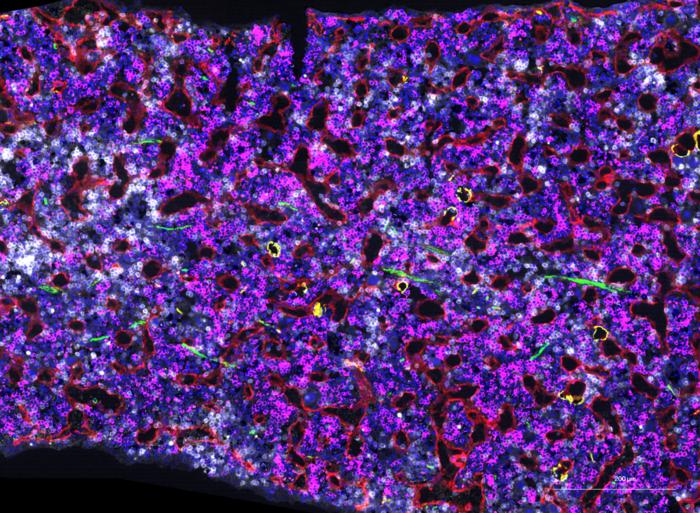
Frequent blood donation serves as a compelling model to study the effects of physiological stress on blood stem cells. In this context, a group of researchers analyzed blood samples taken from over 200 habitual donors who had made at least three donations each year for four decades, accumulating over 120 donations. Comparatively, samples from sporadic donors—individuals who had donated less than five times—provided a contrasting view. Despite both groups displaying similar levels of clonal diversity, significant differences in the genetic composition of their blood cell populations emerged.
One of the primary genes under scrutiny in this research was DNMT3A, known for its involvement in hemopoiesis and frequently mutated in leukemia cases. Notably, the mutations identified in frequent donors differed significantly from those observed in individuals with preleukemic conditions, suggesting a unique adaptive response bolstered by regular blood donation. To further investigate these genetic shifts, Crick researchers conducted laboratory experiments wherein they edited the DNMT3A gene in human blood stem cells, facilitating a closer examination of how specific mutations react in different environmental conditions.
The experimental design involved cultivating cells in two contrasting environments: one enriched with erythropoietin (EPO), a hormone that stimulates red blood cell production, and another infused with inflammatory agents mimicking infection stress. Remarkably, stem cells bearing the mutations typical of frequent donors thrived in the EPO-rich environment, underscoring their capability to adapt positively to blood loss scenarios. Conversely, cells with preleukemic mutations exhibited stunted growth in similar conditions, highlighting the stark differences in their biological responses.
Further extrapolating these findings, the researchers conducted a pivotal experiment transplanting the modified stem cells into mice. Some subjects received blood removal, followed by EPO injections designed to replicate the stress experienced during blood donation. The results were striking: cells with mutations from frequent blood donors continued to proliferate effectively and even stimulated red blood cell production without transitioning into cancerous states. In stark contrast, those harboring preleukemic mutations showcased substantial increases in white blood cell counts under both control and stress-induced conditions.
The overarching conclusion drawn from this research is that regular blood donation may create a selective environment favoring mutations that promote healthy cellular responses instead of those leading to malignancies. This finding points toward the potential utility of blood donation as a therapeutic activity that could encourage the development of beneficial mutations. Dominique Bonnet, the Group Leader at the Crick, emphasized the importance of understanding how our genetics interact with environmental pressures over time, particularly in how low-level stressful activities, such as donating blood, can bolster the renewal of blood stem cells.
Despite the promising insights uncovered in this modest cohort study, Bonnet cautioned against definitive claims regarding blood donation’s impact on the incidence of pre-leukemic mutations. The complexities of personal health, including the likelihood of frequent donors being generally healthier, must also be acknowledged. Hence, further investigation with larger sample sizes is essential before establishing conclusive relationships.
Postdoctoral fellow Hector Huerga Encabo, co-lead author of the study, echoed the significance of identifying subtle genetic variations that can manifest as advantageous traits over an extended period. His ongoing research aims to decipher the implications of these distinctions in the broader context of leukemia development, with a focus on potential therapeutic targets.
The collaboration between the Crick Institute and the renowned DFKZ in Heidelberg, Germany, along with the German Red Cross Blood Donation Centre has underscored the importance of interdisciplinary efforts in tackling complex health issues. Their collective work underscores the need for comprehensive studies to unravel the multifaceted relationship between blood donation, genetic diversity, and the prevention of malignant blood diseases.
As researchers continue to delve into these findings, they aim to illuminate the less understood aspects of blood stem cell genetics, focusing on how different mutations concurrently emerge and influence the risk of developing blood cancers. The hope is that such insights will eventually translate into powerful preventative strategies against malignancies and improve patient outcomes across the globe.
Subject of Research: Blood stem cell genetics in frequent blood donors
Article Title: Clonal Hematopoiesis Landscape in Frequent Blood Donors
News Publication Date: 11-Mar-2025
Web References: DOI: 10.1182/blood.2024027999
References: Karpova, D. and Huerga Encabo, H. et al. (2025). Clonal Hematopoiesis Landscape in Frequent Blood Donors. Blood.
Image Credits: Hector Huergo Encabo, the Francis Crick Institute
Keywords: Blood donation, Stem cell research, Cancer stem cells, Hematopoietic stem cells, Genetic diversity, Blood cancer, Stem cell development.
Tags: blood stem cell mutations and agingclonal hematopoiesis and blood healthFrancis Crick Institute blood studygenetic adaptations in blood donorsimplications of blood donation on cancer riskinsights into blood cell production mechanismsleukemia and blood cancers researchmutation accumulation in aging populationsphysiological stress and stem cell dynamicsprotective factors against blood malignanciessignificance of regular blood donationunderstanding blood stem cell clones