
A groundbreaking study published in the journal Aging has unveiled significant insights into the effectiveness of platelet-rich plasma (PRP) as a potential treatment for women confronting the challenges posed by diminished ovarian reserve. This condition can severely impact fertility, particularly during in vitro fertilization (IVF) attempts, as it is linked to a reduced number of viable eggs and lower rates of successful pregnancies. The research, conducted by a collaborative team from notable institutions including IVIRMA New Jersey and Yale School of Medicine, emphasizes the need for innovative strategies to improve outcomes for affected women.
The researchers undertook an extensive investigation that centered on cumulus cells—key players in ovarian function that surround the oocyte (egg) and are crucial for its development. Utilizing cutting-edge RNA sequencing technology, the study analyzed samples collected from participants aged between 18 and 37 years who had a history of poor ovarian response. These women were either subjected to PRP treatment or received standard treatment protocols prior to their IVF cycles. This comparative analysis provided a rich dataset that enabled researchers to assess the molecular impact of PRP therapy on cumulus cell function.
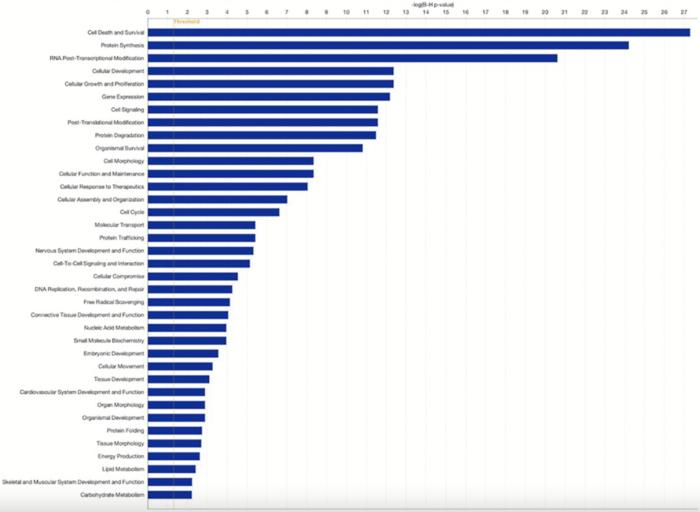
Initial findings revealed notable differences in gene expression patterns between the two groups. The cumulus cells from women who received PRP treatment exhibited heightened expression of genes associated with essential cellular functions such as metabolism, cellular communication, and survival. These processes are integral to maintaining the viability and health of eggs as they develop. One particularly striking outcome was the influence of PRP on carbohydrate metabolism within these cells, a discovery that underscores the importance of metabolic health in relation to egg quality and embryo development.
It was previously established that cumulus cells play a vital role in supplying the developing oocyte with energy, making their metabolic status crucial for successful fertilization. The alterations in gene expression observed in PRP-treated samples suggest that this treatment may enhance the cellular mechanisms that govern energy supply and cellular resilience, thereby promoting a healthier ovarian environment. This is a promising line of inquiry for researchers seeking to understand the biological underpinnings of infertility linked to diminished ovarian reserve.
Moreover, the study indicates that PRP may also modulate pathways relating to cell proliferation and programmed cell death—a process known as apoptosis. These cellular mechanisms are essential for ensuring that only the healthiest eggs survive and mature throughout the ovarian cycle. By improving the functional capacity of cumulus cells through PRP, researchers speculate that it might contribute meaningfully to follicular activation and oocyte maturation, thus enhancing overall fertility outcomes.
Despite PRP’s established applications in fields such as wound healing and tissue repair, its introduction into reproductive medicine has been met with mixed results in clinical trials. Some investigations suggest that PRP can lead to increases in markers of ovarian reserve, while others question its direct impact on pregnancy rates. The comprehensive nature of this study, focusing specifically on the molecular effects of PRP on cumulus cells, aims to illuminate this critical area of reproductive health.
The researchers, led by Leah M. Roberts and Emre Seli, are optimistic that their findings will catalyze further investigation to refine PRP treatment strategies. They underscore the necessity for more rigorous clinical research to delineate which women might benefit most from such therapies and to establish standardized protocols for PRP application in fertility treatments. As our understanding of the intricate molecular dynamics at play in ovarian aging and function continues to evolve, studies like these are instrumental in paving the way for novel interventions aimed at combating infertility.
In conclusion, the revelation that PRP can positively influence cumulus cell function presents a significant breakthrough in our understanding of fertility treatments for women suffering from diminished ovarian reserve. As additional data emerges from ongoing and future studies, the potential for PRP to support women in their quest for pregnancy could redefine the landscape of reproductive medicine. This research not only contributes to the growing body of literature on ovarian health but also raises pertinent questions about personalized approaches to infertility treatment in a clinical setting.
Subject of Research: Cells
Article Title: Transcriptomic landscape of cumulus cells from patients <38 years old with a history of poor ovarian response (POR) treated with platelet-rich plasma (PRP)
News Publication Date: March 10, 2025
Web References: Aging
References: DOI
Image Credits: Copyright: © 2025 Roberts et al.
Keywords: aging, plasma rich protein, diminished ovarian reserve, RNA-sequencing
Tags: assisted reproductive technology advancementscollaborative fertility research initiativescumulus cell gene expressiondiminished ovarian reserve treatmentfertility treatment innovationsIVF success rates improvementsovarian function enhancementPlatelet-rich plasma therapypoor ovarian response solutionsPRP therapy effectivenessRNA sequencing in reproductive healthwomen’s reproductive health research