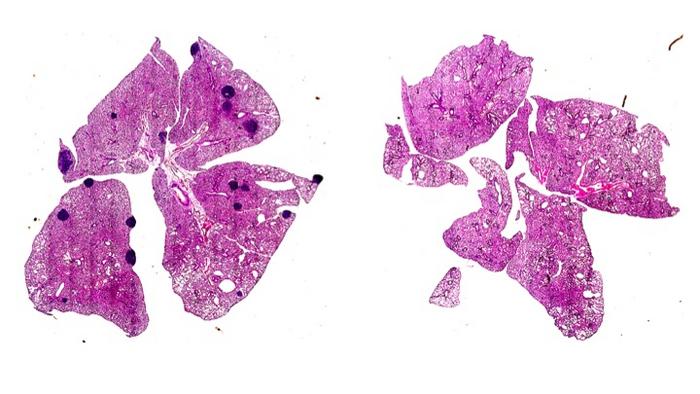

In a groundbreaking study led by researchers at the University of Cambridge, scientists have unveiled a significant mechanism through which aspirin can potentially reduce the metastasis of certain cancers. This important finding, primarily funded by the Medical Research Council, may pave the way for new, targeted therapeutic approaches against cancer spread, potentially saving lives by addressing one of the deadliest aspects of cancer progression.
Historically, cancer metastasis—where cancer cells spread from their original location to other parts of the body—has been a key factor in cancer fatalities, attributing to approximately 90% of cancer deaths. The study, published in the esteemed journal Nature, sheds light on how aspirin can stimulate the immune system in a way that curtails this perilous phenomenon. The researchers emphasized the significance of understanding this mechanism, noting that such insights will bolster ongoing clinical trials and may lead to the development of more effective cancer therapies aimed at restricting metastasis.
Previous epidemiological studies indicated that daily low-dose aspirin intake correlates with diminished metastasis in several cancers, including breast, bowel, and prostate cancers. However, until now, the underlying mechanisms of how aspirin could exert such profound effects remained elusive. By investigating the molecular interactions within the immune system, the Cambridge team ventured into new territory, focusing on how immune responses are manipulated during the metastatic process.
The research team systematically examined a collection of genes to identify candidates that might influence metastasis. Their extensive screening involved looking at 810 genes in mice, resulting in the identification of 15 genes that appeared to have a significant role in the spread of cancer cells. Among these, the gene responsible for producing a protein known as ARHGEF1 stood out. The absence of ARHGEF1 in mice resulted in notably lower levels of metastasis to vital organs like the lungs and liver, revealing its pivotal role in cancer progression.
The relationship between ARHGEF1 and the immune system was particularly intriguing, as the researchers discovered that this protein directly suppresses T cells—crucial components of the immune response capable of recognizing and destroying metastatic cancer cells. This finding hinted at a mechanism where immune suppression facilitated the dissemination of cancer, suggesting that unlocking this suppression could lead to improved immune recognition and clearance of cancer cells.
Further exploration revealed that ARHGEF1 is activated when T cells are exposed to thromboxane A2 (TXA2), a clotting factor produced by platelets. This revelation proved to be a turning point for the researchers, as TXA2 has long been associated with both clotting processes and the mechanisms by which aspirin achieves its anti-clotting effects. Importantly, aspirin functions by reducing the levels of TXA2, positioning it as a dual-action agent capable of addressing both thrombotic events and cancer metastasis.
Utilizing a mouse model of melanoma, the researchers demonstrated that aspirin administration led to a marked reduction in the frequency of metastases, affirming their hypothesis that the drug facilitates T cell reactivation against cancer cells by alleviating the suppression previously imposed by TXA2. This synergistic effect highlights the potential of aspirin not just as an analgesic, but as a powerful immunomodulatory agent capable of modifying the landscape of metastatic cancer.
Professor Rahul Roychoudhuri, the study’s lead author, articulated the implications of their findings, emphasizing that the window of opportunity exists when cancer first spreads. At this stage, cancer cells are particularly vulnerable to immune attack—a time when immunotherapies could be most effective. These results could shift the paradigm in cancer treatment strategies, focusing on early intervention rather than waiting for advanced metastatic disease.
The study also raised important considerations regarding the safe use of aspirin, acknowledging that it may pose serious side effects for some individuals, including gastrointestinal bleeding and ulcers. As clinical trials ramp up to investigate the optimal use of aspirin in cancer management, the researchers stress the importance of consulting healthcare professionals before self-medication. Their ongoing collaboration with Professor Ruth Langley for the Add-Aspirin clinical trial highlights the commitment to translating these findings into clinical practice, aiming to discern which subsets of cancer patients may derive the most benefit from aspirin therapy.
As the scientific community gears up for further research, the implications of these findings could be vast. If validated through clinical trials, aspirin or similar low-cost drugs that target this newly identified molecular pathway could revolutionize the way early-stage cancers are treated, making effective therapies more accessible globally. Furthermore, understanding this pathway allows for a more personalized approach to cancer treatment, alongside optimizing existing therapeutic modalities.
In summary, the discovery of how aspirin influences cancer metastasis by modulating immune responses offers an exciting frontier in cancer therapy. With the potential to prevent the recurrence of cancer in at-risk patients, this study underscores the need for ongoing research and clinical evaluation. The legacy of this work may not only redefine treatment protocols but could also democratize access to effective cancer care in a world where cancer remains a pressing global health challenge.
Subject of Research: Animals
Article Title: Aspirin prevents metastasis by limiting platelet TXA2 suppression of T cell immunity
News Publication Date: 5-Mar-2025
Web References: Nature
References: DOI: 10.1038/s41586-025-08626-7
Image Credits: Copyright: Jie Yang
Keywords: Metastasis, Cancer, T cell immunity, Aspirin, ARHGEF1, Immune suppression, Thromboxane A2, Clinical trials, Melanoma, Drug therapy, Cancer research, Immunotherapy.
Tags: Aspirin and cancer metastasisCambridge University research studycancer progression and treatmentcancer treatment innovationsclinical trials for cancer therapiesepidemiological studies on aspirinlow-dose aspirin benefitsMedical Research Council fundingmolecular mechanisms of cancer metastasisreducing cancer fatalitiesrole of aspirin in immune responsetargeted cancer therapies