
Aston University is at the forefront of an innovative research endeavor aimed at transforming the treatment landscape for bone cancer. In a significant development, researchers have started collaborating with The Royal Orthopaedic Hospital, empowered by a substantial grant of £110,000 from Orthopaedic Research UK. This funding is pivotal, facilitating a meticulously designed research project focusing on the application of gallium-doped bioglass, a novel material with potential to exhibit both anticancer and bone regenerative properties. Through this unique synergy, the project aspires to create an injectable paste that may revolutionize how bone cancer is treated.
The implications of this research could be monumental for both primary and metastatic bone cancer patients. The focus lies on utilizing gallium, a metallic element known for its unique properties, combined with bioactive glass to develop a substance that not only targets cancerous cells but also promotes bone regeneration. Pre-clinical findings have demonstrated that when gallium is incorporated into bioactive glass, it possesses the capability to obliterate up to 99 percent of cancerous cells that linger after tumor excision. This remarkable ability positions gallium-doped bioglass as a promising candidate in the therapeutic arsenal against bone cancer.
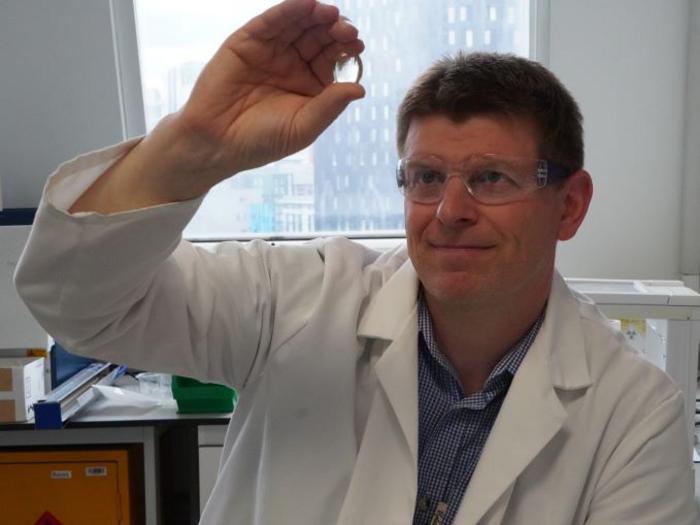
Dr. Lucas Souza, who manages the research lab at the Dubrowsky Lab of The Royal Orthopaedic Hospital, is leading this groundbreaking project. In his commentary, he highlighted the stagnation faced in bone cancer treatments over the last four decades, largely attributed to the limited exploration of innovative treatment studies. The complexities associated with targeting bone tumors necessitate a fresh and effective therapeutic approach, which this grant aims to support. The commitment to advancing research into gallium-doped bioglass signifies a hopeful turn towards more effective solutions for bone cancer treatment.
The proposed injectable paste will serve a dual purpose as a drug delivery system, localizing the administration of anticancer gallium ions and bisphosphonates directly to affected areas. This innovative strategy is based on the hypothesis that localized treatment could not only enhance the speed of bone formation but also reduce the likelihood of cancer recurrence by actively eradicating residual cancer cells and maintaining a balanced osteoclastic activity in the microenvironment. The vision behind this research is to create a therapeutically sound protocol that enhances patient outcomes significantly.
A critical aspect of this research is its promise of improving patient safety and minimizing complications commonly associated with traditional treatment methods. The injectable paste, engineered from gallium-doped bioglass, holds potential in mitigating cancer recurrence rates and reducing the incidence of implant site infections. Furthermore, it aims to lower the failure rates of implants, specifically for patients undergoing extensive resections of bone tumors. This approach could offer a lifeline to patients whose tumors are located in areas that are critically close to vital organs, where aggressive surgical interventions are either inadvisable or pose significant risks.
Moreover, the scope of this research extends to complementing existing treatments such as cryoablation and radiofrequency ablation, which are less invasive options often employed for managing metastatic bone lesions. The amalgamation of these advanced treatments with the proposed injectable paste may facilitate a more robust management protocol for patients grappling with the challenges posed by advanced bone cancers. Such comprehensive approaches could profoundly impact the clinical management of bone tumors, ensuring that patients receive tailored and effective therapeutic interventions.
The multidisciplinary collaboration embodied in this project is integral, comprising experts such as Professor Adrian Gardner, who oversees research and development at the hospital, and Mr. Jonathan Stevenson, a consultant in orthopaedic oncology and arthroplasty. Additionally, Dr. Eirini Theodosiou from Aston University and Professor Joao Lopes from the Brazilian Aeronautics Institute of Technology contribute their expertise to the research endeavor. The combination of their diverse knowledge and experience enriches the project and reinforces its potential for success.
The overarching objective of this research is to enhance treatment outcomes for bone cancer patients conclusively. Dr. Souza articulated the ambitious goal of the proposed biomaterial, emphasizing its capacity to significantly boost survival rates while improving the overall quality of life for individuals battling bone tumors. By minimizing the risks associated with cancer recurrence, implant failures, and the need for extensive revision surgeries, the outcomes envisaged through this research could usher in a new epoch in the management of bone cancer.
Moreover, the use of advanced materials such as gallium-doped bioglass is not merely an academic pursuit. It entails real-world implications that transcend laboratory findings, evident in the potential to streamline healthcare processes, reduce hospital stays, curtail the requirement for antibiotics, and lessen overall healthcare costs associated with bone cancer treatment. The path ahead, albeit challenging, is rife with promise, as researchers strive to translate laboratory success into clinical application.
The intersection of engineering and medicine epitomized by this research is indicative of future trends in healthcare, where material science plays a vital role in enhancing therapeutic strategies. The drive to incorporate innovative materials into clinical practices signifies an emergence of possibilities, where patient-centered approaches dictate the evolution of treatment paradigms. As researchers continue to elucidate the multifaceted properties of gallium-doped bioglass, its potential applications may extend beyond bone cancer treatment, fostering developments in regenerative medicine and targeted therapies.
In summary, the collaborative efforts between Aston University and The Royal Orthopaedic Hospital stand as a beacon of hope for advancing the treatment continuum for those affected by bone cancer. Through focused research that integrates material science with clinical applications, this initiative symbolizes the transformative potential of innovation in healthcare. With sustained research efforts and interdisciplinary collaboration, the future of bone cancer treatment is brightly illuminated, paving the way for enhanced patient care and improved treatment outcomes.
Subject of Research: Gallium-doped bioglass for bone cancer treatment
Article Title: Innovative Research at Aston University: A New Approach to Treat Bone Cancer
News Publication Date: Not applicable
Web References: Not applicable
References: Not applicable
Image Credits: Aston University
Keywords: Bone cancer, Gallium-doped bioglass, Injectable paste, Anticancer treatment, Bone regeneration, Research collaboration, Orthopaedic Hospital, Cancer recurrence, Treatment advancements.
Tags: anticancer properties of galliumAston University cancer researchbone regeneration in cancer therapycollaborative research in orthopaedicsgallium-doped bioglass applicationsinjectable paste for bone cancer treatmentinnovative treatments for metastatic bone cancernovel materials in cancer treatmentOrthopaedic Research UK fundingpre-clinical findings on bone cancertargeted therapies for bone cancertransforming bone cancer treatment landscape