
A groundbreaking study led by Professor CHU Yannan from the Hefei Institutes of Physical Science under the auspices of the Chinese Academy of Sciences unveils a promising multi-medium approach to identifying reproducible volatile organic compounds (VOCs) in lung cancer cells. This innovative research, detailed in the highly regarded journal Analytical Chemistry, opens up new avenues for non-invasive diagnostic methods, potentially revolutionizing lung cancer detection and treatment.
In recent years, volatile organic compounds emitted in human body odor have gained considerable traction in the field of health research, particularly concerning lung cancer screening. Researchers have long recognized the potential of VOCs as biomarkers for various cancers, including lung malignancies. However, despite years of investigation, a conclusive consensus on reliable biomarkers for lung cancer has continued to elude the scientific community. Inconsistent results in studies, including those focused on in vitro analyses of cancer cell cultures, have highlighted the complexities of identifying universal indicators of lung cancer.
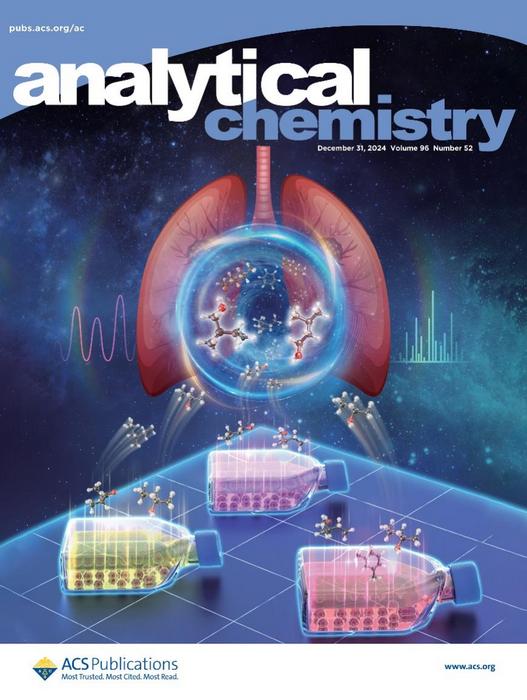
Addressing these longstanding challenges, the research team introduced a multi-medium approach (MMA) that integrates three different culture media—RPMI 1640, DMEM, and Ham’s F12—paired with advanced analytical techniques, specifically gas chromatography-mass spectrometry (GC-MS). This combination allows for a more comprehensive and untargeted analysis of volatile compounds surrounding lung cancer cells. The MMA has significantly outperformed traditional single-medium approaches commonly used in prior studies.
The results of the study are striking. Dr. GE Dianlong, a pivotal member of the research team, indicated that the newly proposed MMA was instrumental in identifying several key VOCs capable of distinguishing between lung cancer cells, represented by A549 cells, and normal lung cells, represented by BEAS-2B cells. This is a crucial advancement, as identifying distinct VOCs can pave the way for non-invasive cancer detection strategies that circumvent more invasive biopsies and surgical procedures.
While traditional methodologies often resulted in the discovery of numerous differential VOCs, the MMA led to the identification of two specific VOCs, namely isomers of methyl butanol, which consistently demonstrated reproducibility across experiments. Notably, these compounds exhibited lower levels in cancerous A549 cells, providing a critical differentiating marker. The research team confirmed their findings through extensive validation processes involving targeted detection of these VOCs in various biological samples, including subcutaneous tissues and primary tumors in animal models.
The implications of these findings extend beyond just lung cancer diagnostics. As Dr. GE highlighted, the MMA approach may serve as a foundational technique to develop “universal fingerprints” for various cancer types, potentially enabling earlier detection and improved treatment protocols. This could significantly impact the field of personalized medicine by tailoring diagnostic processes to meet individual patient needs, significantly enhancing efficacy and patient outcomes.
Furthermore, this innovative methodology aligns with the growing interest in developing diagnostic techniques that integrate modern science with traditional practices. In particular, the findings in this study may contribute to advancements in tumor gas biopsies and the enhancement of diagnostic methods used in Traditional Chinese Medicine (TCM). As researchers continue to explore the intersection of modern and traditional practices, the potential for holistic approaches to cancer diagnosis looks increasingly promising.
The ramifications of this study resonate throughout the medical community, particularly in the realm of cancer research. The conventional approach to lung cancer diagnosis, which heavily relies on invasive procedures, presents numerous challenges. The introduction of a method that utilizes non-invasive biomarker detection methods offers a ray of hope to millions impacted by lung cancer. By integrating innovative scientific techniques with existing knowledge, researchers could usher in a new era of patient care that prioritizes comfort and accessibility.
As the scientific community reflects on these encouraging advancements, it is crucial to consider the ongoing need for rigorous validation of these findings in clinical settings. While the results from this study are promising, replication and testing in human clinical trials will be pivotal in determining the practical application of this research. Researchers are now tasked with ensuring that these insights translate into real-world diagnostic solutions that can be widely accessible.
This study serves as a testament to the potential inherent in interdisciplinary research, where the collision of technology, chemistry, and biology fosters innovation. The collaboration among various scientific disciplines highlights the importance of shared knowledge and resources in tackling intricate health problems like lung cancer. As the need for more efficient and less invasive diagnostic methods grows, such collaborative efforts will be critical in shaping the future landscape of cancer research.
Overall, the multi-medium approach developed by Professor CHU Yannan and his team signifies a critical moment in the pursuit of non-invasive lung cancer diagnostics. Their pioneering work not only provides valuable insights into VOC analysis but also significantly contributes to the larger discourse on the future of cancer detection. Through continuous research and development, the hope for more accurate, reliable, and non-invasive cancer diagnostics is steadily becoming a reality.
—
Subject of Research: Identifying Reproducible Volatile Organic Compounds for Lung Cancer Diagnosis
Article Title: Developing Multiple Media Approach to Investigate Reproducible Characteristic VOCs of Lung Cancer Cells
News Publication Date: 18-Dec-2024
Web References: N/A
References: N/A
Image Credits: Credit: GE Dianlong
Keywords: VOCs, lung cancer, non-invasive diagnosis, multi-medium approach, chromatography-mass spectrometry, biomarkers, health research.
Tags: advancements in cancer diagnosis methodsanalytical chemistry in health researchcancer cell culture studieschallenges in lung cancer biomarker identificationgas chromatography-mass spectrometry techniquesinnovative lung cancer detection methodslung cancer diagnosismulti-medium approach in cancer researchnon-invasive cancer screening methodsreproducible cancer biomarkersVOCs in human body odorvolatile organic compounds biomarkers