
E64FC26 (EFC), a small molecule inhibiting protein disulfide isomerases (PDIs), has emerged as a potential therapeutic agent in the management of rheumatoid arthritis (RA). The significance of PDIs in protein folding and quality control is well-established, yet their dysregulation has been increasingly associated with dire health issues, including inflammatory diseases and malignancies. A recent study sought to explore the untapped potential of EFC in curbing the pathophysiological processes underpinning RA.
The background of this research is rooted in understanding the multifaceted role PDIs play in maintaining cellular homeostasis. RA, characterized by chronic inflammation and joint destruction, poses significant challenges not only to the patient’s quality of life but also to healthcare systems worldwide. The convergence of cancer biology and autoimmune pathology suggests that repositioning existing therapies like EFC could revolutionize treatment paradigms for RA. By inhibiting PDIs, EFC may effectively alter the inflammatory microenvironment typical of RA.
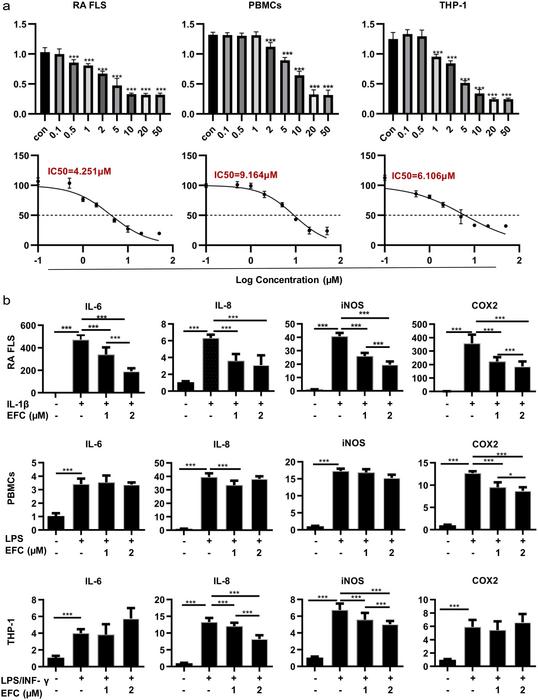
The methods prescribed in this exploration involved a robust set of assays meticulously designed to elucidate EFC’s effects on fibroblast-like synoviocytes (FLSs), which are crucial in the pathogenesis of RA. Utilizing the Cell Counting Kit-8 (CCK-8), researchers quantified cell viability, revealing crucial insights into the cytotoxic effects of EFC on RA FLSs. Proliferation was assessed using the EdU incorporation assay, which provided a clear measure of cellular growth inhibition, crucial in understanding the therapeutic potential of EFC.
Furthermore, the migration and invasion capabilities of FLSs were examined through Transwell assays. These experiments aimed to characterize the influence of EFC on a critical aspect of RA pathology: the aggressive migration of synoviocytes into the joint space, where they exacerbate inflammation. Coupled with TUNEL assays which evaluated apoptotic cells, the data obtained painted a comprehensive picture of EFC’s multifaceted actions within the RA context.
To investigate angiogenesis, an in vitro tube formation assay was employed. This aspect is particularly relevant given that neovascularization is a prominent feature in inflamed RA joints, facilitating the persistence of chronic inflammation. This investigative phase was complemented by rigorous flow cytometry techniques, enabling precise apoptotic profiling, affirming EFC’s potential to shift the balance of cell survival and death in RA.
In vivo assessments further solidified EFC’s therapeutic promise. A collagen-induced arthritis model, widely regarded as a gold standard for RA research, was employed in DBA mice. This model allowed the researchers to draw critical connections between EFC treatment and alterations in inflammatory response, disease progression, and bone integrity. Radiographic analyses combined with histological evaluations provided compelling evidence of EFC’s protective effects against joint damage.
The results of this comprehensive study highlighted EFC’s profound anti-inflammatory effects, evidenced by decreased cell proliferation, diminished cytokine secretion, and enhanced apoptosis in RA FLSs. In vivo findings corroborated these observations, demonstrating that EFC not only alleviated joint inflammation but also exhibited protective properties against bone and cartilage deterioration. This pharmacological intervention introduced a striking shift in the disease’s trajectory, underscoring the importance of innovative approaches in RA management.
Among the pivotal findings was RNA sequencing data, which illuminated the intricate molecular pathways influenced by EFC treatment. Notably, the pathways associated with inflammation and apoptosis regulation were markedly modulated, shedding light on the mechanistic underpinnings of EFC’s therapeutic efficacy. This revelation not only reinforces the significance of PDIs in RA but also highlights the potential for developing targeted therapies aimed at these molecular pathways.
In conclusion, the investigation into EFC’s role as a PDI inhibitor illustrates a promising new direction in RA treatment research. The capacity of EFC to mitigate inflammatory responses and restore balance within the immune system positions it as a groundbreaking therapeutic candidate. The insights gained from this study not only augment our understanding of RA pathology but also necessitate further exploration into PDIs as viable targets for therapeutic intervention.
By bolstering the nexus between cancer therapy and autoimmune treatment, researchers advocate for a reevaluation of existing drugs. This opportunistic approach may facilitate optimized utilization of established medications, heralding a new era in RA management. Future clinical trials will be essential in translating these compelling preclinical findings into tangible benefits for RA patients globally.
The exploration of EFC extends beyond the immediate implications for RA; it sets a precedent for how innovative applications of existing therapies can reshape our understanding of various diseases. As the medical community grapples with the complexities of inflammatory disorders, the advances presented in this study serve as a beacon of hope in the quest for more effective treatments.
The insights derived from this research not only highlight the therapeutic potential of EFC but also the importance of interdisciplinary approaches in addressing chronic diseases. As new challenges arise in the management of RA and similar conditions, the lessons learned from this study could inform future research and therapeutic strategies.
Subject of Research: The Effectiveness of E64FC26 in Treating Rheumatoid Arthritis
Article Title: E64FC26, a Protein Disulfide Isomerase Inhibitor, Ameliorates Articular Cartilage Damage and Disease Severity in a Mouse Model of Rheumatoid Arthritis
News Publication Date: 25-Jan-2025
Web References: Exploratory Research and Hypothesis in Medicine
References: DOI 10.14218/ERHM.2024.00033
Image Credits: Jinxiang Han, Lin Wang, Haiyan Zhao, Ting Wang
Keywords: Rheumatoid arthritis, Drug therapy, Inflammation
Tags: articular cartilage damage reductionautoimmune disease pathologycancer biology and RA convergencecellular homeostasis maintenancecytotoxic effects of EFCE64FC26 protein disulfide isomerase inhibitorfibroblast-like synoviocytes roleinflammatory diseases treatmentinnovative treatment paradigms for rheumatoid arthritisprotein folding and quality controlRA pathophysiological processesrheumatoid arthritis therapeutic agents