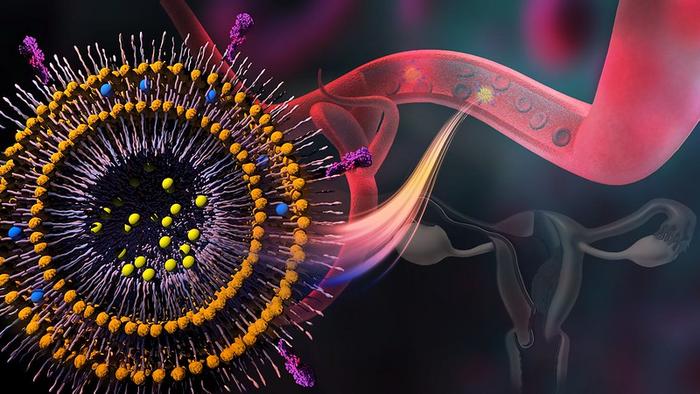

A groundbreaking study spearheaded by researchers at Oregon State University has unveiled an innovative drug delivery system that could significantly improve the treatment outcomes for a highly aggressive form of cancer known as choriocarcinoma, particularly affecting women who are pregnant or those who have recently given birth. This newly developed polyethylene glycol-based nanocarrier, referred to as a polymersome, has shown remarkable potential in targeting cancer cells while sparing healthy tissues, thus minimizing adverse effects associated with traditional chemotherapy.
Choriocarcinoma arises from trophoblastic cells, which are remnants of the placenta, and can occur following various reproductive events, including miscarriages, abortions, and molar pregnancies. In the United States, the incidence of choriocarcinoma is approximately four cases per 100,000 pregnancies. The disease is notorious for its rapid progression and potential to spread through the bloodstream, affecting vital organs such as the liver, lungs, and brain.
The key to this new approach lies in the polymersome’s ability to target a specific protein known as equilibrative nucleoside transporter 1 (ENT-1), which is frequently overexpressed in choriocarcinoma cells. ENT-1 plays a crucial role in various cellular functions, including the transportation of nucleosides, which are necessary for DNA and RNA synthesis. By harnessing the properties of polymersomes, the research team designed a system that can deliver a higher concentration of the chemotherapy drug methotrexate directly to the tumor cells.
Methotrexate, commonly abbreviated as MTX, is a well-established treatment for choriocarcinoma, yet its effectiveness has been hampered by poor tumor specificity and a range of side effects, including toxicity to the liver and kidneys. The innovative polymersome delivery system aims to enhance the therapeutic efficacy of MTX while reducing these unwanted adverse effects, providing a promising avenue for more effective cancer treatment.
In preclinical testing using mouse models, the research team demonstrated that connecting guanosine—a critical element in RNA biochemistry—to the surface of the polymersome significantly improved its targeting ability. This modification allowed the modified nanocarriers to selectively deliver methotrexate to the tumor sites. Remarkably, this targeted delivery mechanism resulted in an astounding 95% reduction in tumor size, showcasing the potential of the polymersome technology to revolutionize cancer therapies.
The findings underscore not only the pivotal role that targeted nanomedicine could play in the treatment of choriocarcinoma but also its potential applicability to other cancer types. Enhanced specificity provided by polymersomes could facilitate a new class of cancer therapeutics that are both effective and patient-friendly. As the research progresses into clinical trials, there is a hopeful outlook that this approach will lead to improved quality of life for patients.
The collaborative effort behind this significant study involved prominent figures in nanomedicine, including Olena Taratula, a leading researcher in the field, alongside OSU postdoctoral researcher Babak Mamnoon and Maureen Baldwin, a physician from Oregon Health & Science University. Together, their research sheds light on the urgent need for rapid diagnostic and treatment solutions tailored for women, especially those with young families who are often burdened by the challenges of a cancer diagnosis shortly after pregnancy.
The implications of this research extend beyond choriocarcinoma, suggesting that the polymersome technology may serve as a blueprint for new treatments for various malignancies where similar targeting strategies could be effective. Given the complexities of cancer biology, a versatile platform such as this could transform the landscape of cancer treatment, allowing for more personalized therapeutic approaches.
As the academic community eagerly anticipates the upcoming clinical trials, the researchers have received support from numerous institutions, including the National Institutes of Health. This backing exemplifies the potential this research holds not only for affecting change in one of the most aggressive cancers but for advancing the field of nanomedicine as a whole.
In conclusion, the emergence of polymersomes as targeted drug delivery systems marks a pivotal moment in the quest against choriocarcinoma. This study highlights the importance of interdisciplinary collaboration and innovative thinking in addressing complex health challenges. The hope is that with continued research and investment, future cancer therapies will not only be more effective but will also enhance the overall comfort and safety of treatment for patients.
Subject of Research: Choriocarcinoma Treatment
Article Title: ENT-1-Targeted Polymersomes to Enhance the Efficacy of Methotrexate in Choriocarcinoma Treatment
News Publication Date: 28-Jan-2025
Web References: Small Science
References: Cleveland Clinic Choriocarcinoma Patient Info
Image Credits: Parinaz Ghanbari
Keywords: Choriocarcinoma, Polymersomes, Methotrexate, Targeted Drug Delivery, Nanomedicine, Cancer Treatment, Oregon State University, ENT-1.
Tags: advancements in cancer treatment methodologiesaggressive cancer in postpartum womenchoriocarcinoma treatment advancesequilibrative nucleoside transporter 1 targetingimproving cancer outcomes during pregnancyinnovative drug delivery systemsminimizing chemotherapy side effectsOregon State University cancer researchpolymersome nanocarrier technologyrare pregnancy-related cancertargeted cancer therapy for womentrophoblastic cell-derived cancers