Mikhail Blagosklonny’s Lasting Influence on Geroscience: Understanding Aging and Therapeutics with Rapamycin
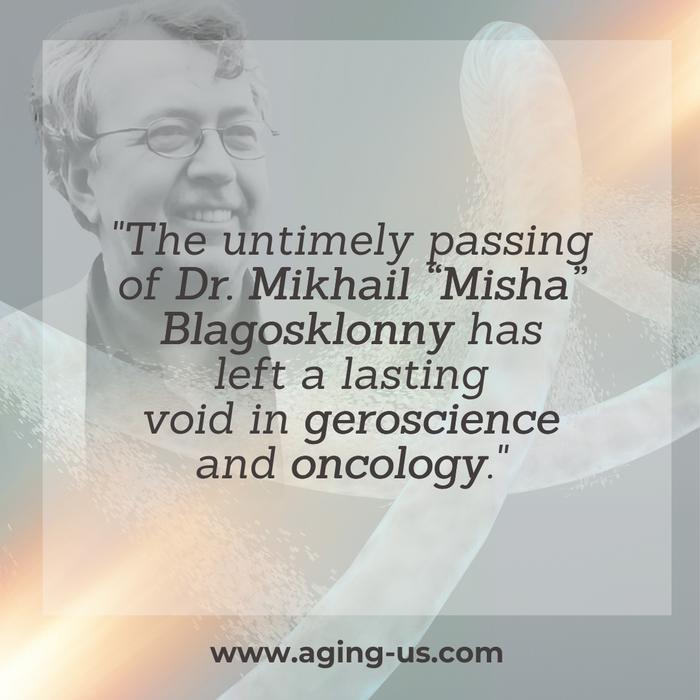
The world of aging research has witnessed significant transformation due to the pioneering work of Dr. Mikhail “Misha” Blagosklonny, a figure whose contributions have reshaped our understanding of aging and age-related diseases. His passing marked a poignant moment in the field of geroscience, yet his theories and therapeutic propositions continue to spark interest and discussion among scientists and clinicians alike. One of his most notable innovations is the hyperfunction theory, which redefines aging not merely as a result of accumulating damage but rather as an active biological process driven by the body’s growth signals. This paradigm shift encourages a proactive approach to managing and potentially reversing age-related decline.
Blagosklonny’s hyperfunction theory posits that aging is akin to a runaway train where biological functions, originally designed to enhance life and growth, eventually accelerate to the point where they become detrimental. Such an understanding lays the groundwork for addressing myriad age-related diseases, where interventions might not just treat symptoms but also target the underlying aging process itself. Instead of focusing only on repairing damage, researchers can explore strategies for slowing down or altering the pathways that lead to dysfunction associated with aging.
Central to Blagosklonny’s investigations was the mechanistic target of rapamycin (mTOR) pathway, a critical growth signal regulator in human physiology. The importance of the mTOR pathway lies in its dual role—promoting cell growth and proliferation while also being implicated in the aging process. By slowing down mTOR activity, it becomes feasible to reduce the prevalence of age-related conditions such as cancer, cardiovascular issues, obesity, and neurodegenerative diseases. The introduction of rapamycin, an mTOR inhibitor, into this narrative marks a turning point; it’s not merely a tool for research but a potential therapeutic agent poised to extend healthy lifespan.
Recent studies support Blagosklonny’s advocacy for rapamycin as a “longevity drug.” Its effects on immune function have raised fascinating possibilities, particularly in improving vaccine efficacy among the elderly, a demographic notably vulnerable to infectious diseases. This insight is especially critical in the ongoing context of a global pandemic, where vulnerable populations face greater risks. It demonstrates that aging is not a limitation but an arena for potential therapeutic ingenuity.
Furthermore, rapamycin is emerging as a candidate for protective strategies against malignancies. By tempering the uncontrolled cell growth that characterizes cancer, rapamycin could simultaneously act as a preventative measure and a therapeutic agent. The concept of “longevity clinics” envisioned by Blagosklonny emphasizes the necessity for tailored treatments, which recognize the unique biological variability among individuals and can optimize the dosage and administration of therapies like rapamycin under medical supervision.
The legacy of Blagosklonny is evident in the ongoing scientific endeavors to refine rapamycin applications and explore complementary or alternative therapies aimed at mitigating age-associated decline. As scientists continue to scrutinize the potential of various compounds and therapies, the repurposing of existing drugs, such as rapamycin, offers tremendous hope for immediate translational application.
Beyond the realms of pharmacology, Blagosklonny’s approach impacts conceptual frameworks surrounding healthspan and longevity. His assertion that aging can be managed fundamentally challenges traditional views on mortality and degenerative health as inevitable. If aging can be framed as a treatable condition, countless lives could be transformed through preventive strategies and personalized therapies, fostering a paradigm shift in healthcare systems worldwide.
This emerging view has sparked spirited discussions about the ethical implications of longevity research. With the potential to extend life and improve health quality, society must navigate the complex interplay of accessibility and affordability in emerging therapies. The call for well-designed clinical trials to ascertain the safety and effectiveness of these longevity interventions remains critical, as public trust in new age-related therapies hinges on transparency and rigorous scientific validation.
As the field of geroscience evolves, the groundwork laid by Blagosklonny provides a foundation for researchers to further explore the nexus of aging biology, disease prevention, and therapeutic innovation. The continuation of his legacy involves not just academic recognition, but a concerted effort to translate scientific discoveries into real-world applications that improve the quality of life for individuals as they age.
In recognizing the ethical and practical aspects of this advancing field, researchers are tasked with a dual mission: to unearth the intricacies of aging mechanisms and provide evidence-based interventions that can be broadly applied. The emergence of successful aging strategies will depend on cross-disciplinary collaboration and public engagement, ensuring that the fruits of this research are accessible and beneficial to all, heralding a new era in health and longevity.
Dr. Blagosklonny’s contributions will undoubtedly echo in the halls of science for generations to come, as researchers rally around his vision of redefining aging, not as a decline, but as a condition ripe for modification and application of innovative treatments. With each passing day, the scientific community advances closer toward unveiling the secrets of prolonged health and vitality, a mission that Dr. Blagosklonny zealously championed.
As we reflect on the future of aging research, we stand on the cusp of a revolution, fueled by the bold theories and passionate advocacy of researchers like Blagosklonny. Through continued inquiry into the hyperfunction theory and the mTOR pathway, the promise of a future where aging can be constructively managed appears ever more attainable. The journey towards improved healthspan and longevity, inspired by Dr. Blagosklonny, is not just a scientific endeavor but a hopeful vision—one that beckons humanity to delve deeper into the biological mysteries of life itself.
Subject of Research: N/A
Article Title: Mikhail ‘Misha’ Blagosklonny’s enduring legacy in geroscience: the hyperfunction theory and the therapeutic potential of rapamycin
News Publication Date: January 12, 2025
Web References:
References:
Image Credits: Impact Journals, LLC
Keywords: aging, rapamycin, longevity medicine, healthspan, geroscience, hyperfunction