Lead researcher, Associate Professor Mikaël Martino, from Monash University’s Australian Regenerative Medicine Institute (ARMI) in Melbourne, Australia, said the discovery “could transform regenerative medicine, because it sheds light on the crucial role of sensory neurons in orchestrating the repair and regeneration of tissues, offering promising implications for improving patient outcomes.”
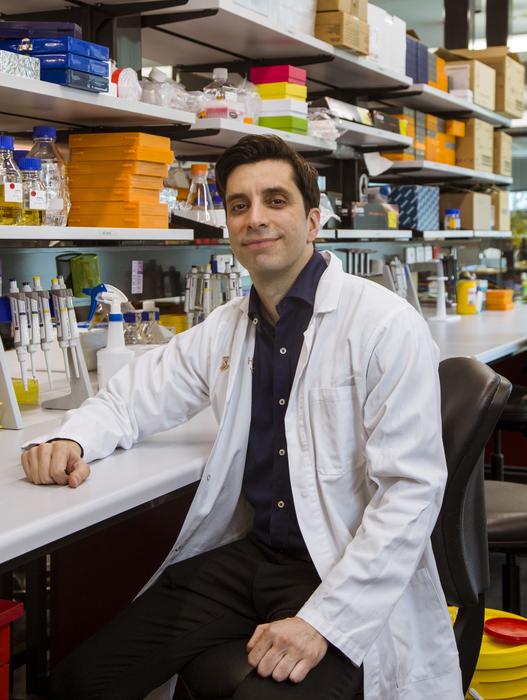
Credit: Monash University
Scientists have uncovered a key step in the wound healing process that becomes disabled in diseases like diabetes and ageing, contributing to a global healthcare cost of managing poorly healing wounds exceeding $250 billion a year. Importantly, the research published in Nature reveals a molecule involved in the healing of tissues that – when injected into animal models – leads to a drastic acceleration of wound closure, up to 2.5 times faster, and 1.6 times more muscle regeneration.
Lead researcher, Associate Professor Mikaël Martino, from Monash University’s Australian Regenerative Medicine Institute (ARMI) in Melbourne, Australia, said the discovery “could transform regenerative medicine, because it sheds light on the crucial role of sensory neurons in orchestrating the repair and regeneration of tissues, offering promising implications for improving patient outcomes.”
The cost of managing poorly healing wounds costs around $250 billion a year. “In adults with diabetes alone – where poor blood flow can lead to quickly worsening wounds that are often very slow or impossible to heal – the lifetime risk of developing a diabetic foot ulcer (DFU), the most common diabetes-related wound, is 20 to 35 per cent and this number is rising with increased longevity and medical complexity of people with diabetes,” co-lead author, ARMI’s Dr Yen-Zhen Lu said.
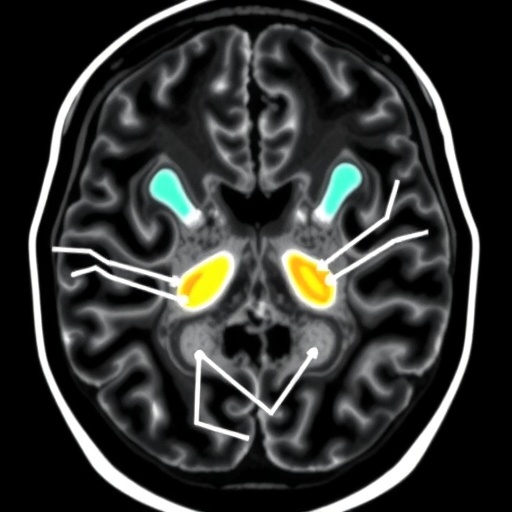
Nociceptive sensory neurons, also called nociceptors, are the nerves in our body that sense pain. These neurons alert us to potentially damaging stimuli in tissues by detecting dangers like tissue damage, inflammation, extremes in temperature, and pressure.
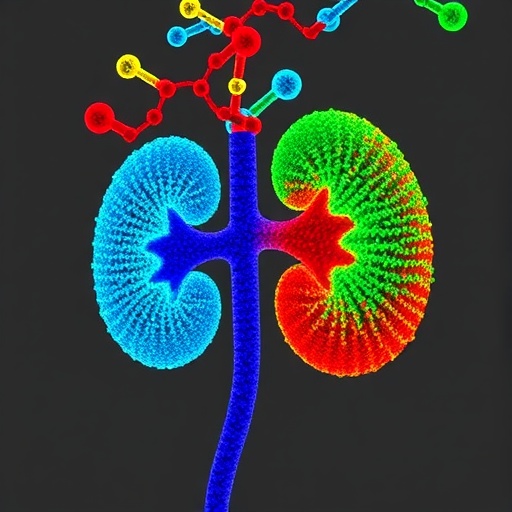
The researchers discovered that – during the healing process – sensory neuron endings grow into injured skin and muscle tissues, communicating with immune cells through a neuropeptide called calcitonin gene-related peptide (CGRP).
“Remarkably, this neuropeptide acts on immune cells to control them, facilitating tissue healing after injury,” Associate Professor Martino said.
Importantly they found that sensory neurons are crucial to the dissemination of CGRP because they showed that the selective removal of sensory neurons in mice reduce CGRP and significantly impairs skin wound healing and muscle regeneration following injury.
When the scientists administered an engineered version of CGRP to mice with neuropathy similar to that seen in diabetic patients, it led to rapid wound healing and muscle regeneration.
According to Associate Professor Martino, these findings hold significant promise for regenerative medicine, particularly for the treatment of poorly-healing tissues and chronic wounds.
“By harnessing neuro-immune interactions, the team aims to develop innovative therapies that address one of the root causes of impaired tissue healing, offering hope to millions,” he said.
“This study has uncovered significant implications for advancing our understanding of the tissue healing process after acute injury. Harnessing the potential of this neuro-immuno-regenerative axis opens new avenues for effective therapies, whether as standalone treatments or in combination with existing therapeutic approaches. “
Journal
Nature
DOI
10.1038/s41586-024-07237-y
Method of Research
Experimental study
Subject of Research
People
Article Title
‘CGRP sensory neurons promote tissue healing via neutrophils and macrophages’
Article Publication Date
27-Mar-2024