• HOME
  • NEWS
  • EXPLORE
    • CAREER
      • Companies
      • Jobs
    • EVENTS
    • iGEM
      • News
      • Team
    • PHOTOS
    • VIDEO
    • WIKI
  • BLOG
  • COMMUNITY
    • FACEBOOK
    • INSTAGRAM
    • TWITTER
Wednesday, October 7, 2026
BIOENGINEER.ORG
No Result
View All Result
  • Login
  • HOME
  • NEWS
  • EXPLORE
    • CAREER
      • Companies
      • Jobs
        • Lecturer
        • PhD Studentship
        • Postdoc
        • Research Assistant
    • EVENTS
    • iGEM
      • News
      • Team
    • PHOTOS
    • VIDEO
    • WIKI
  • BLOG
  • COMMUNITY
    • FACEBOOK
    • INSTAGRAM
    • TWITTER
No Result
View All Result
Bioengineer.org
No Result
View All Result
Home NEWS Science News

An impact on implants

Bioengineer by Bioengineer
February 15, 2017
in Science News
Reading Time: 2 mins read
0
Share on FacebookShare on TwitterShare on LinkedinShare on RedditShare on Telegram
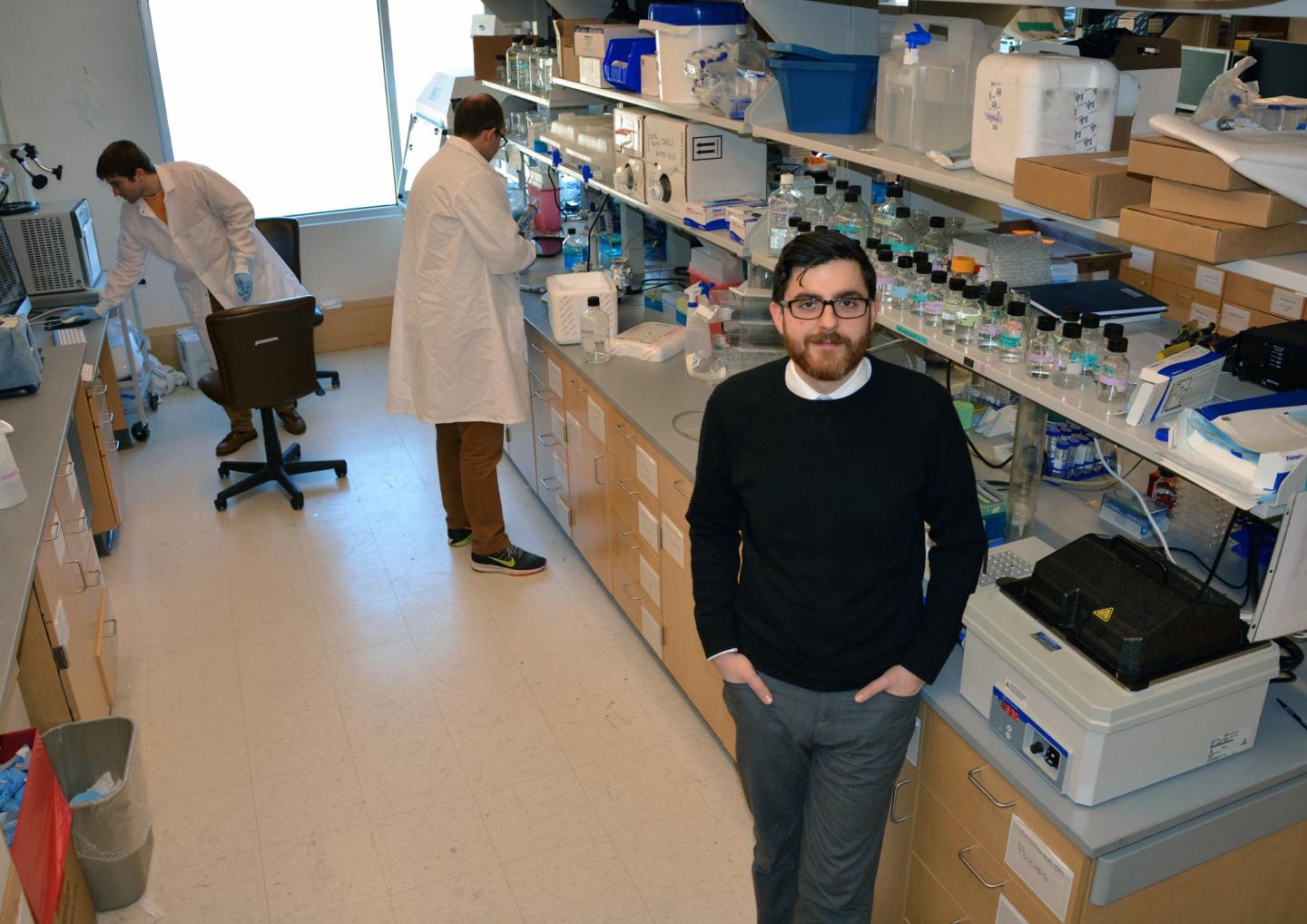
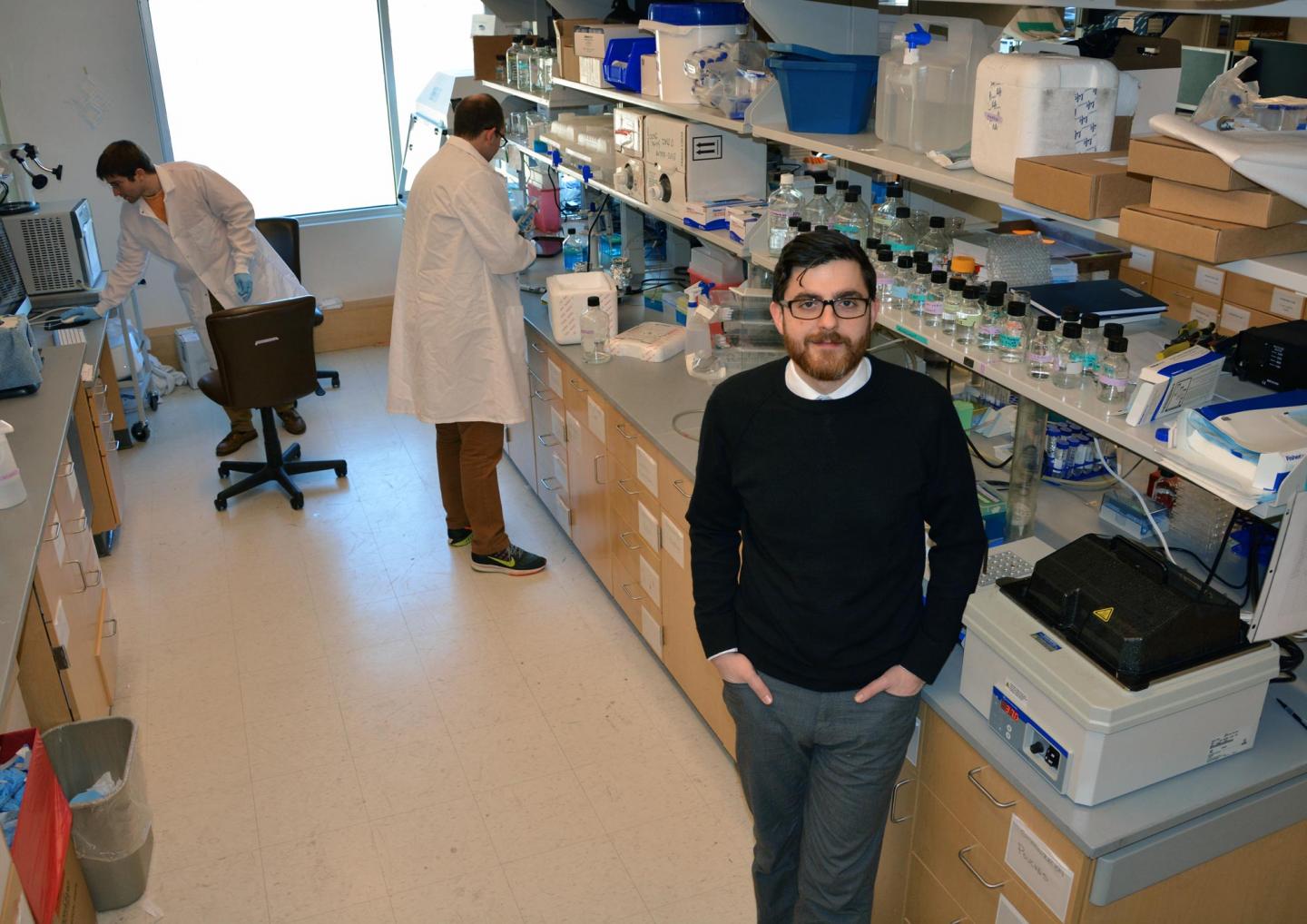
IMAGE

Credit: Swanson School of Engineering

PITTSBURGH, PA (February 15, 2017) … The National Institutes of Health have awarded Bryan Brown, assistant professor of bioengineering in the University of Pittsburgh's Swanson School of Engineering, a five-year, $1.54 million R01 grant for his investigation into the immune system response to implanted medical materials.

The study, "Assessing the Impact of Macrophage Polarization Upon the Success of Biomaterial Implants," will build on Brown's previous studies demonstrating that macrophage M1 and M2 polarization at early time points after the implantation of a biomedical material can predict long-term reactions by the host's immune system. The information gathered by the study could significantly improve the success of biomaterial implants and minimize the negative response from the patient's immune system, according to Brown.

"Our current tests have shown that the first week of macrophage activity near the host-implant interface can predict the immune system response downstream as far as 90 days," says Brown. "We have developed methods for modulating macrophage activity, which we will use to understand why and how these early events after implantation serve as a precursor to the lifespan of the implant. Our research is suggesting, contrary to conventional understanding of host-biomaterial interactions, macrophages can be used to encourage positive, long-term outcomes for the implant and the patient."

Macrophages are white blood cells charged with protecting the body from health threats, including foreign bodies like biomaterial implants. When an implant is placed inside the body, the macrophages recognize its presence and can exhibit either a pro-inflammatory or anti-inflammatory response. Brown and his team have developed methods for observing, measuring and controlling these responses. They will attempt to find optimal designs for biomaterials that not only accommodate the involvement of the immune system but promote positive interaction between the body's natural defenses and the implanted material.

A variety of medical fields rely on the use of biomaterial implants to save and improve the quality of life for patients: orthopedics for joint repair, ophthalmology to restore vision, cardiovascular surgery for heart valve and artery replacement and dentistry for tooth and gum tissue support. Biomaterial implants are also common in the healing of wounds and bone fractures. Brown believes his study will provide researchers with a framework for understanding how the host's immune system responds to implanted materials and how to use that response to develop more successful procedures for any treatment involving biomaterial implantation.

Pamela Moalli, associate professor in the Department of Obstetrics, Gynecology and Reproductive Sciences at Pitt and co-director of the Center for Interdisciplinary Research in Female Pelvic Health; and Stephen Badylak, professor in the Department of Surgery and Deputy Director of the McGowan Institute for Regenerative Medicine, will join Brown on the study as co-investigators.

###

Media Contact

Paul Kovach
[email protected]
412-624-0265

http://www.pitt.edu

############

Story Source: Materials provided by Scienmag

Share12Tweet8Share2ShareShareShare2

Related Posts

Landmark Study Maps the Normal Child Heart From Birth to 18 With MRI

Landmark Study Maps the Normal Child Heart From Birth to 18 With MRI

October 7, 2026
Mindfulness Meets Magic Mushrooms: USC Trials Psilocybin Therapy for Depression

Mindfulness Meets Magic Mushrooms: USC Trials Psilocybin Therapy for Depression

October 7, 2026

AI Can Spot Diabetic Foot Ulcers, But Most Studies May Be Overstating How Well It Works

October 7, 2026

Coupon Clipping at the Pharmacy Counter: What Manufacturer Discounts Really Do to GLP-1 Drug Spending

October 7, 2026
Please login to join discussion

POPULAR NEWS

  • Alloys That Shrink Their Own Grains: New PIX Mechanism Refines Metals With Heat Alone

    Alloys That Shrink Their Own Grains: New PIX Mechanism Refines Metals With Heat Alone

    29 shares
    Share 12 Tweet 7
  • Endurance Exercise Reshapes the Liver in Males and Females Through Distinct Molecular Routes

    29 shares
    Share 12 Tweet 7
  • Single Transcription Factor PU.1 Rapidly Converts Fibroblasts into Macrophage-Lineage Cells

    29 shares
    Share 12 Tweet 7
  • New Scale Measures How Ready Nurse Educators Really Are for the AI Era

    29 shares
    Share 12 Tweet 7

About

We bring you the latest biotechnology news from best research centers and universities around the world. Check our website.

Follow us

Recent News

Alloys That Shrink Their Own Grains: New PIX Mechanism Refines Metals With Heat Alone

Endurance Exercise Reshapes the Liver in Males and Females Through Distinct Molecular Routes

Single Transcription Factor PU.1 Rapidly Converts Fibroblasts into Macrophage-Lineage Cells

Subscribe to Blog via Email

Success! An email was just sent to confirm your subscription. Please find the email now and click 'Confirm' to start subscribing.

Join 85 other subscribers
  • Contact Us

Bioengineer.org © Copyright 2023 All Rights Reserved.

Welcome Back!

Login to your account below

Forgotten Password?

Retrieve your password

Please enter your username or email address to reset your password.

Log In
No Result
View All Result
  • Homepages
    • Home Page 1
    • Home Page 2
  • News
  • National
  • Business
  • Health
  • Lifestyle
  • Science

Bioengineer.org © Copyright 2023 All Rights Reserved.