LOS ANGELES — Many are aware of the short-term symptoms often associated with menopause, such as hot flashes, which are attributed to changes in reproductive hormones. However, they may not know that menopause can put heart and brain health at long-term risk.
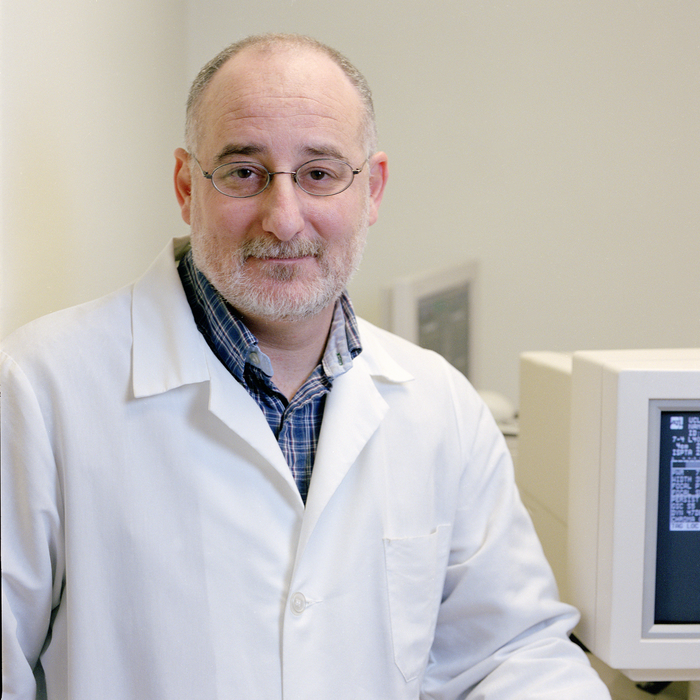
Credit: Ricardo Carrasco III
LOS ANGELES — Many are aware of the short-term symptoms often associated with menopause, such as hot flashes, which are attributed to changes in reproductive hormones. However, they may not know that menopause can put heart and brain health at long-term risk.
Atherosclerosis, the accumulation of plaque in arteries, is a leading cause of death in the U.S., and almost always occurs in women after menopause. Cognitive concerns such as memory loss, dementia and Alzheimer’s disease are dramatically more common in postmenopausal than premenopausal women.
Now, Keck Medicine of USC has launched a clinical trial to study the effect of a novel hormone replacement therapy on postmenopausal cardiovascular disease and cognitive decline.
“Data supports the concept that estrogen, a hormone that the ovaries stop producing after menopause, protects both the heart and brain from damage,” said Howard N. Hodis, MD, director of the USC Atherosclerosis Research Unit, internal medicine specialist with Keck Medicine and lead researcher of the study. “Our study seeks to determine whether estrogen-containing hormone therapy can prevent or slow atherosclerosis progression and cognitive impairment in women after menopause.”
A key aspect of the study is that it is designed for women who are postmenopausal for six years or less.
“We have studied previous data and conducted clinical trials showing that timing of when a woman starts hormone therapy is crucial,” said Hodis, who is also a professor of medicine and population and public health sciences at the Keck School of Medicine of USC. “There appears to be a limited window of time wherein women benefit from hormone replacement therapy. Beyond six years of menopause, prevention appears to be too late.”
Improving standard hormone replacement therapies
The hormone therapy being studied has been approved by the Food and Drug Administration since 2013 and consists of estrogen paired with a non-hormone drug known as bazedoxifene.
Traditional hormone replacement therapy combines estrogen with progesterone, or more commonly with progestin, a synthetic progesterone. Estrogen alone can cause the lining of the uterus to thicken, causing bleeding and other health issues, which the progesterone or progestin prevents.
However, progestin/progesterone combined with estrogen has been associated with cancer risks. Bazedoxifene prevents the uterine lining from thickening while appearing not to present the same risks, said Hodis.
Trial eligibility and protocols
The clinical trial, titled Advancing Postmenopausal Preventive Therapy, is open to healthy women six years or less post-menopause, who have a uterus, are 45-59 years of age and do not have cardiovascular disease. Upon enrollment, trial participants:
- Receive an ultrasound of their neck artery that is used as a non-invasive baseline measure of atherosclerosis.
- Undergo several tests to gauge their baseline cognitive function and memory.
Every six months, participants have an ultrasound of the neck artery to monitor any progression of atherosclerosis. They also have electrocardiograms to check for different heart conditions, which are done yearly.
At the end of the study, which lasts approximately three years, women retake the cognitive and memory tests so researchers can determine whether there has been any change since enrollment.
The clinical trial is a double-blinded, placebo-controlled trial, meaning neither participants nor the researchers know who is receiving hormone replacement or a placebo. When the clinical trial is completed, researchers will compare results between the therapy and placebo recipients, and participants will be informed which option they received.
So far, some 260 women are participating in the trial; researchers are looking for 100 more women to enroll. Those interested in participating should contact the USC Atherosclerosis Research Unit at (323) 442-2257 or visit aru.usc.edu.
“Our ultimate goal is to help women and their physicians make informed decisions to promote good health post-menopause,” said Hodis.
The trial is funded by the National Institute on Aging (grant R01-AG058691), part of the U.S. National Institutes of Health (NIH).
Donna Shoupe, MD, a reproductive endocrinologist specialist with Keck Medicine and professor of obstetrics and gynecology at the Keck School of Medicine and Wendy J. Mack, PhD, a professor of population and public health sciences with the Keck School of Medicine, are co-investigators of the clinical trial.
###
For more information about Keck Medicine of USC, please visit news.KeckMedicine.org.