Good glucose control is important for reduction of cancer risk in obesity and type 2 diabetes. Large durable weight loss, as such, appears to afford protection against cancer, but with good glucose control the number of cancer cases also drops radically, a University of Gothenburg study shows.
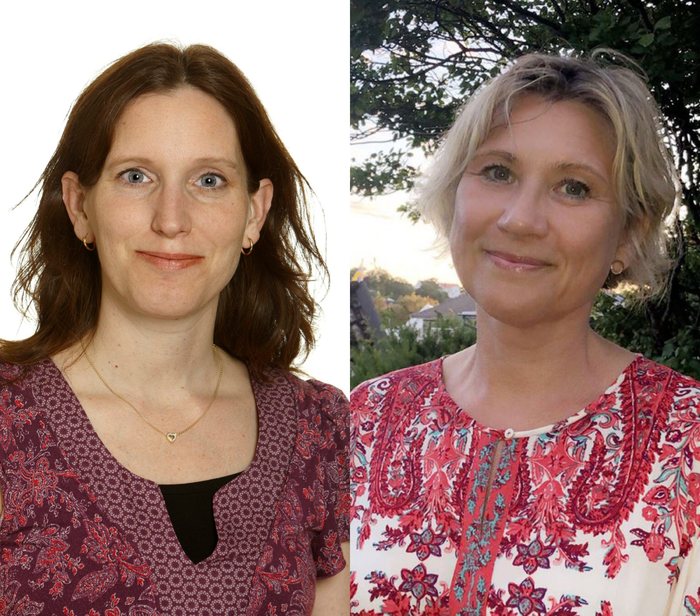
Credit: Photo: University of Gothenburg and Emelie Taube
Good glucose control is important for reduction of cancer risk in obesity and type 2 diabetes. Large durable weight loss, as such, appears to afford protection against cancer, but with good glucose control the number of cancer cases also drops radically, a University of Gothenburg study shows.
That obesity is a risk factor for both type 2 diabetes and several types of cancer is a known fact. Similarly, intentional weight loss through, for example, bariatric surgery often results in amelioration of diabetes and many patients achieve normal blood-glucose control.
I patients with obesity, cancer risk, too, can be reduced after major, long-lasting weight loss. However, there have been relatively few studies on the association between weight loss, risk of cancer and glucose control in patients with both obesity and type 2 diabetes.
The present study, published in the journal Diabetes Care, used data from the “SOS” (Swedish Obese Subjects) intervention trial, which is led and coordinated from the University of Gothenburg, as well as data from other sources, such as the Swedish Cancer Registry.
Cancer risk 60 percent lower
The researchers studied a group of 393 people with type 2 diabetes who underwent bariatric surgery, and compared them with a control group of 308 people with the same clinical characteristics; i.e., they had severe obesity and type 2 diabetes, but had not undergone bariatric surgery. In other respects, such as in terms of gender composition, blood glucose, and smoking, the two groups were comparable.
In the surgery group, 68 individuals (approximately 17 percent) developed cancer in parallel with a significant weight loss. The corresponding emerging cancer cases in the control group amounted to 74 (24 percent), while these individuals retained their condition of severe obesity. The median follow-up period was 21 years. Overall, the risk of getting cancer was 37 percent lower in the group that underwent obesity surgery.
However, the largest difference was observed when cancer risk was analyzed in the patients who achieved normal glucose control and had no relapse of diabetes over a ten-year period. Among these patients, the incidence of cancer was only 12 out of 102 (12 percent), against 75 out of 335 (22 percent) in the group whose diabetes had recurred in the same period. Thus, the results show a 60% reduction in cancer risk in the group where normal glucose control was maintained over 10 years.
Guidance for preventing cancer
“What we see is that, among patients with type 2 diabetes, many cancer cases are preventable. These results are an important contribution that enhances our understanding of the connection between glucose control and cancer prevention,” says Kajsa Sjöholm, Associate Professor of Molecular Medicine at Sahlgrenska Academy, University of Gothenburg, and the study’s first author.
Magdalena Taube, Associate Professor of Molecular Medicine at Sahlgrenska Academy, University of Gothenburg, is the senior author of the study.
“The global epidemic of both obesity and diabetes leads to an increased risk of cancer, as well as an increased risk of premature death. It has been estimated that, over the next 10 to 15 years, obesity may cause more cancer cases than smoking in several countries. This is a clear illustration of how serious the condition is,” she says.
“Strategies are need to prevent this development, and our results can provide vital guidance for prevention of cancer in patients with obesity and type 2 diabetes,” Taube concludes.
Journal
Diabetes Care
DOI
10.2337/dc21-1335
Article Title
Association of Bariatric Surgery With Cancer Incidence in Patients With Obesity and Diabetes: Long-Term Results From the Swedish Obese Subjects Study
Article Publication Date
19-Nov-2021