• HOME
  • NEWS
  • EXPLORE
    • CAREER
      • Companies
      • Jobs
    • EVENTS
    • iGEM
      • News
      • Team
    • PHOTOS
    • VIDEO
    • WIKI
  • BLOG
  • COMMUNITY
    • FACEBOOK
    • INSTAGRAM
    • TWITTER
Saturday, February 7, 2026
BIOENGINEER.ORG
No Result
View All Result
  • Login
  • HOME
  • NEWS
  • EXPLORE
    • CAREER
      • Companies
      • Jobs
        • Lecturer
        • PhD Studentship
        • Postdoc
        • Research Assistant
    • EVENTS
    • iGEM
      • News
      • Team
    • PHOTOS
    • VIDEO
    • WIKI
  • BLOG
  • COMMUNITY
    • FACEBOOK
    • INSTAGRAM
    • TWITTER
  • HOME
  • NEWS
  • EXPLORE
    • CAREER
      • Companies
      • Jobs
        • Lecturer
        • PhD Studentship
        • Postdoc
        • Research Assistant
    • EVENTS
    • iGEM
      • News
      • Team
    • PHOTOS
    • VIDEO
    • WIKI
  • BLOG
  • COMMUNITY
    • FACEBOOK
    • INSTAGRAM
    • TWITTER
No Result
View All Result
Bioengineer.org
No Result
View All Result
Home NEWS Science News Biology

Research suggests ways to tackle water security challenges in world’s drylands

Bioengineer by Bioengineer
September 6, 2025
in Biology
Reading Time: 2 mins read
0
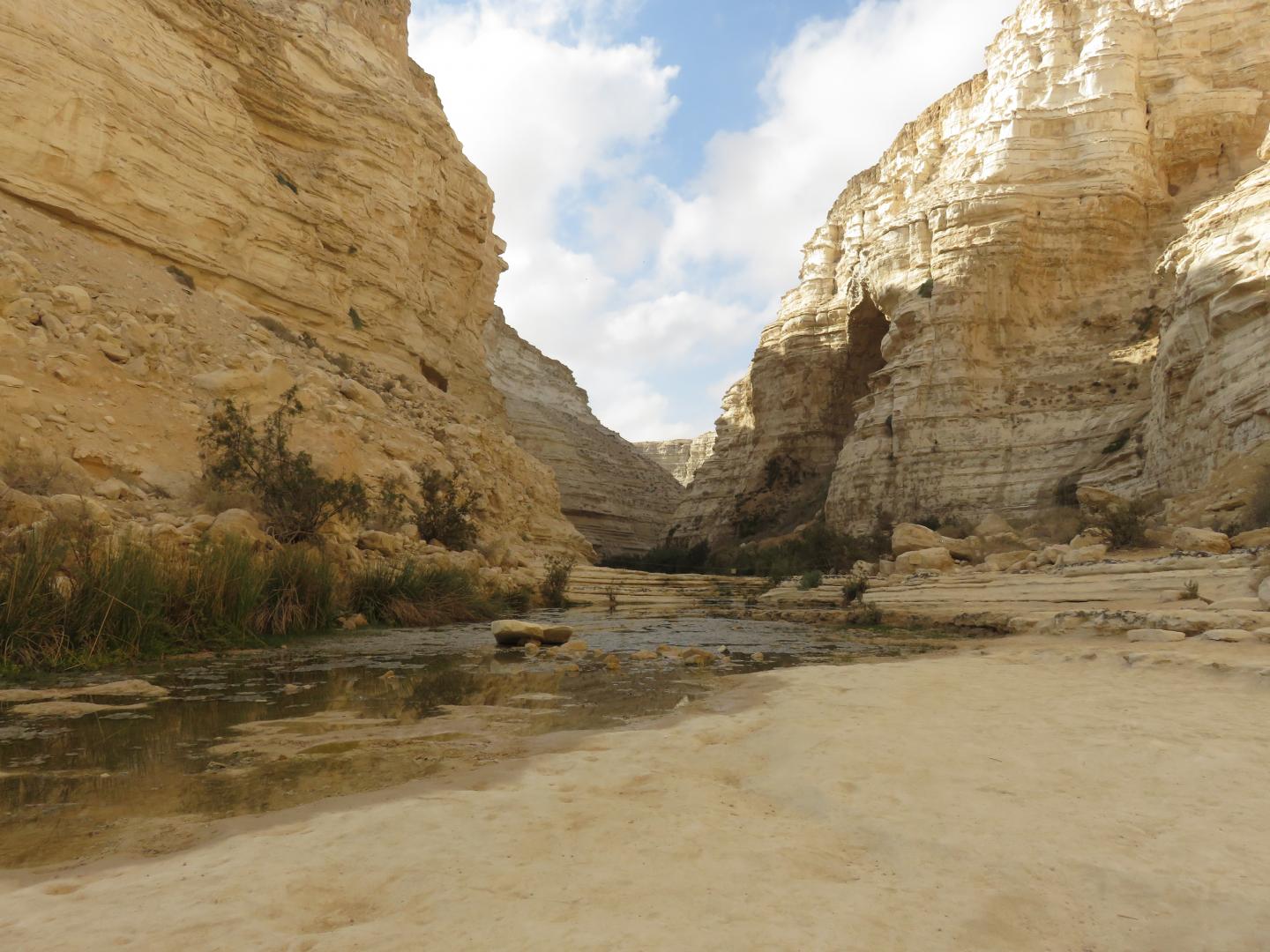
IMAGE
Share on FacebookShare on TwitterShare on LinkedinShare on RedditShare on Telegram

The research – published ahead of World Day to Combat Desertification and Drought on 17 June 2021 – examines recent and projected climate change impacts on water security across the world’s drylands up to the year 2100.

It concludes that more efficient water management, technology and infrastructure, and better demand and supply management can offer more equitable access to water resources and help to achieve development goals.

Lead author, Professor Lindsay Stringer from the Department of Environment and Geography at the University of York said “People in dryland areas are already adapting to climate changes, but they need to be supported with coherent system-oriented policies and institutions that put water security at their core.”

Globally, water scarcity already affects between one and two billion people. Drylands in hot, tropical areas have already experienced temperature rises under climate change that is higher than the global average.

Projected climate changes indicate that in a few decades, millions more people (approximately half the world’s population) will be living under conditions of high water stress.

The drylands’ human and environmental systems could be hampered in their ability to adapt to water dynamics under climate change, with knock-on effects for other places beyond the drylands as well.

The paper’s authors strongly support the integration of water concerns across borders and sectors, through approaches such as Integrated Water Resources Management (IWRM).

Professor Stringer said “To make sure no one gets left behind, more attention needs to be paid to how decisions about water management link to other things, like food, energy, livelihoods, migration and human health.”

Professor Stringer also argues that achieving water security is not just an environmental challenge, but also a governance issue “We need to ensure access to water and its quality is properly managed. That requires political will, capacity, resourcing and leadership to develop a truly integrated approach to delivering water-related decisions.”

“Stakeholder engagement is increasingly important, particularly in complex contexts where dryland rivers flow across multiple national borders, and approaches like IWRM are really vital in shaping more equitable water resource allocation.”

The research is published in One Earth.

###

Notes to editors

Professor Lindsay Stringer is currently a coordinating lead author for the Intergovernmental Panel on Climate Change (IPCC) Sixth Assessment Report.

DOI: https://doi.org/10.1016/j.oneear.2021.05.010

To request images and interviews, contact [email protected]

Media Contact
Tom Creese
[email protected]

Related Journal Article

http://dx.doi.org/10.1016/j.oneear.2021.05.010

Tags: Climate ChangeDeveloping CountriesEarth ScienceEcology/EnvironmentGeographyHydrology/Water ResourcesSocioeconomics
Share12Tweet8Share2ShareShareShare2

Related Posts

Florida Cane Toad: Complex Spread and Selective Evolution

Florida Cane Toad: Complex Spread and Selective Evolution

February 7, 2026
New Study Uncovers Mechanism Behind Burn Pit Particulate Matter–Induced Lung Inflammation

New Study Uncovers Mechanism Behind Burn Pit Particulate Matter–Induced Lung Inflammation

February 6, 2026

DeepBlastoid: Advancing Automated and Efficient Evaluation of Human Blastoids with Deep Learning

February 6, 2026

Navigating the Gut: The Role of Formic Acid in the Microbiome

February 6, 2026
Please login to join discussion

POPULAR NEWS

  • Robotic Ureteral Reconstruction: A Novel Approach

    Robotic Ureteral Reconstruction: A Novel Approach

    82 shares
    Share 33 Tweet 21
  • Digital Privacy: Health Data Control in Incarceration

    63 shares
    Share 25 Tweet 16
  • Study Reveals Lipid Accumulation in ME/CFS Cells

    57 shares
    Share 23 Tweet 14
  • Breakthrough in RNA Research Accelerates Medical Innovations Timeline

    53 shares
    Share 21 Tweet 13

About

We bring you the latest biotechnology news from best research centers and universities around the world. Check our website.

Follow us

Recent News

Evaluating Pediatric Emergency Care Quality in Ethiopia

TPMT Expression Predictions Linked to Azathioprine Side Effects

Improving Dementia Care with Enhanced Activity Kits

Subscribe to Blog via Email

Success! An email was just sent to confirm your subscription. Please find the email now and click 'Confirm' to start subscribing.

Join 73 other subscribers
  • Contact Us

Bioengineer.org © Copyright 2023 All Rights Reserved.

Welcome Back!

Login to your account below

Forgotten Password?

Retrieve your password

Please enter your username or email address to reset your password.

Log In
No Result
View All Result
  • Homepages
    • Home Page 1
    • Home Page 2
  • News
  • National
  • Business
  • Health
  • Lifestyle
  • Science

Bioengineer.org © Copyright 2023 All Rights Reserved.