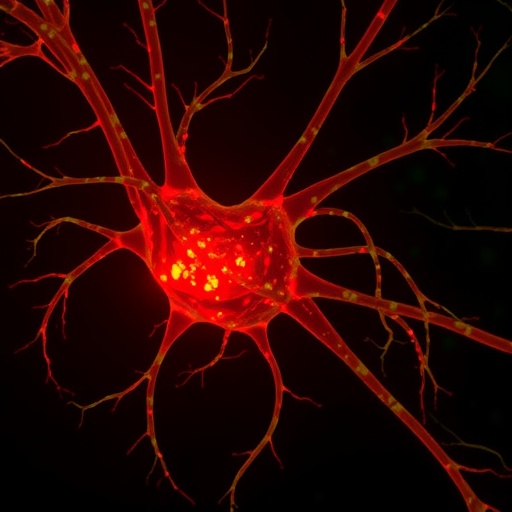
A genetic defect could hold the key to preventing or delaying the onset of a debilitating eye disease that can lead to vision loss and blindness.
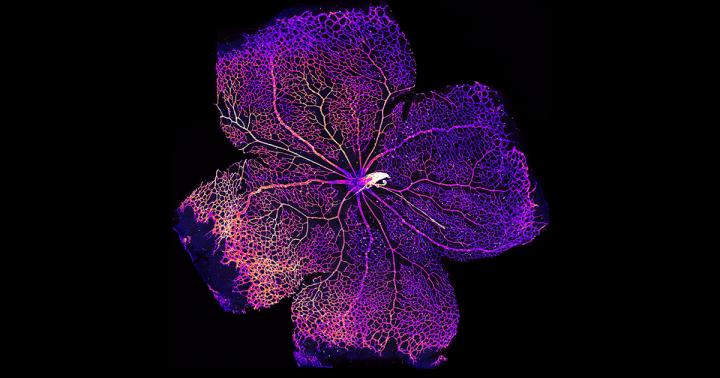
Credit: WEHI
A genetic defect could hold the key to preventing or delaying the onset of a debilitating eye disease that can lead to vision loss and blindness.
MacTel (macular telangiectasia type 2) affects one in 1,000 Australians. Symptoms include slow loss of vision, distorted vision and trouble reading. Because early signs of the disorder are subtle, it is difficult to diagnose.
Researchers have identified an additional seven regions in the human genome that increase the risk of developing the condition, including a rare DNA mutation in the PHGDH gene, which will help clinicians to better diagnose and treat it.
The study builds on earlier WEHI research, which pinpointed that MacTel was associated with low levels of serine, an amino acid used in many pathways of the body.
Led by WEHI Professor Melanie Bahlo in conjunction with Dr Brendan Ansell, Dr Victoria Jackson and Dr Roberto Bonelli and published in Communications Biology, the research provides a new genetic risk calculator for predicting retinal disorders. The research was conducted in collaboration with The Lowy Medical Research Institute, USA and Moorfield’s Eye Hospital, UK.
At a glance
- MacTel is primarily caused by slight changes to the levels of several fundamental amino acids in an individual’s blood
- Researchers identified a further, rare, PHGDH gene mutation, which makes people five times more susceptible to developing MacTel, as well as seven other new genetic regions.
- Understanding the genetic mutations that cause MacTel will allow clinicians to better screen for the condition and potentially prevent it from developing.
PHGDH increases MacTel risk
Researchers identified that a rare mutation in a gene – called PHGDH – dramatically increases the risk of developing MacTel.
“Amongst our new gene findings, we identified a new rare mutation in the PHGDH gene. These new findings further increase our understanding of retinal biology and the way the eye uses energy,” Professor Bahlo said.
“People with this newly discovered PHGDH mutation are five times more likely to develop MacTel than people without this genetic mutation.”
Eye disorder often diagnosed late
“MacTel is a really unique eye disease, which is caused by slight changes to levels of fundamental amino acids that have no impact on any other part of the body,” she said.
“What we found is that the disease is driven by two factors; metabolic amino acid on one side and then risk factors related to the cellular health of the retina on the other side, which are probably involved in transporting crucial amino acids into the retina. Both of these factors contribute to whether someone is genetically predisposed to getting MacTel in later life.”
Findings provide hope for improved diagnosis and treatment
Professor Bahlo said the findings could help improve diagnosis and treatment of MacTel.
“By understanding the causes of the condition, we can tailor treatment to each individual patient to ensure the best outcomes for them,” she said.
“This disease is really hard to diagnose, so understanding the risk factors will allow clinicians to better predict and treat the condition.”
Retinal disease usually progresses with age so early detection is vital to preserving eyesight in patients with the condition.
“By diagnosing this condition earlier, patients may be able to take mitigating steps to delay or prevent it developing,” Professor Bahlo said.
The research team will now carry out further work with collaborators to look at identifying further genes involved in MacTel, with the aim of working towards better treatments and therapeutics.
###
This work was made possible with funding from the Lowy Medical Research Institute, the National Health and Medical Research Council, the John and Patricia Farrant Foundation and the Victorian Government.
Media Contact
Samantha Robin
[email protected]
Original Source
https:/
Related Journal Article
http://dx.