

• HOME
  • NEWS
  • EXPLORE
    • CAREER
      • Companies
      • Jobs
    • EVENTS
    • iGEM
      • News
      • Team
    • PHOTOS
    • VIDEO
    • WIKI
  • BLOG
  • COMMUNITY
    • FACEBOOK
    • INSTAGRAM
    • TWITTER
Saturday, February 7, 2026
BIOENGINEER.ORG
No Result
View All Result
  • Login
  • HOME
  • NEWS
  • EXPLORE
    • CAREER
      • Companies
      • Jobs
        • Lecturer
        • PhD Studentship
        • Postdoc
        • Research Assistant
    • EVENTS
    • iGEM
      • News
      • Team
    • PHOTOS
    • VIDEO
    • WIKI
  • BLOG
  • COMMUNITY
    • FACEBOOK
    • INSTAGRAM
    • TWITTER
  • HOME
  • NEWS
  • EXPLORE
    • CAREER
      • Companies
      • Jobs
        • Lecturer
        • PhD Studentship
        • Postdoc
        • Research Assistant
    • EVENTS
    • iGEM
      • News
      • Team
    • PHOTOS
    • VIDEO
    • WIKI
  • BLOG
  • COMMUNITY
    • FACEBOOK
    • INSTAGRAM
    • TWITTER
No Result
View All Result
Bioengineer.org
No Result
View All Result
Home NEWS Science News Health

Why antibiotic-resistant cells persist

Bioengineer by Bioengineer
February 1, 2021
in Health
Reading Time: 2 mins read
0
IMAGE
Share on FacebookShare on TwitterShare on LinkedinShare on RedditShare on Telegram

University of Houston biomolecular engineer receives NSF CAREER award to explore cells that defy efforts to kill them
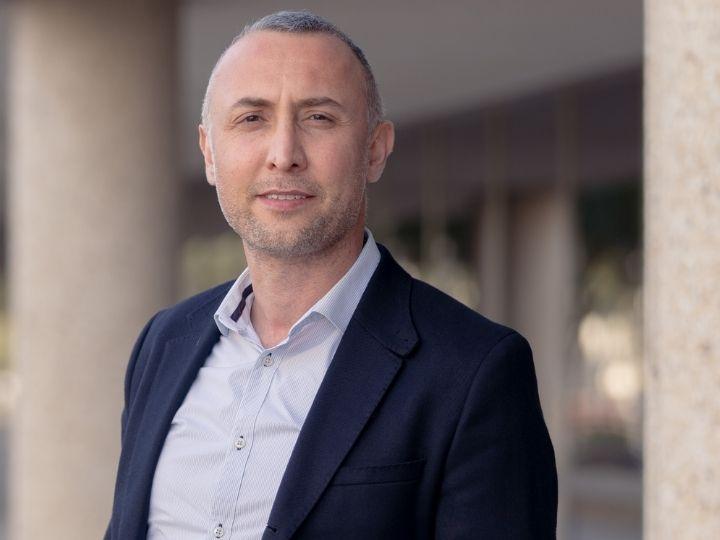
IMAGE

Credit: University of Houston

Mehmet Orman, assistant professor of chemical and biomolecular engineering at the University of Houston Cullen College of Engineering, has received a Faculty Early Career Development (CAREER) Award from the National Science Foundation. NSF CAREER awards are granted to highly promising junior faculty members who exemplify the role of teacher-scholars through “outstanding research, excellent education and the integration of education and research.”

The CAREER award will provide Orman with $500,000 to study so-called persister cells – those that go dormant and then become tolerant to extraordinary levels of antibiotics.

Antibiotic tolerance is one of the most critical global public health threats of the 21st century.

“Nearly all bacterial cultures contain a small population of persister cells,” said Orman. “Persisters are thought to be responsible for recurring chronic infections such as those of the urinary tract and for creating drug-resistant mutants.” Biofilms, a slimy buildup of bacteria (like dental plaque) cause most bacterial infections, and persister cells, produced in biofilms, might cause biofilms to be multidrug tolerant, too.

Orman’s goal is to figure out just what makes these persister cells tick, to identify common mechanisms they exhibit from a variety of bacterial strains. Interestingly, persister cells go in and out of their state of hibernation, and Orman will take a close look at that.

“Persister cell survival is marked by growth inhibition during antibiotic treatment and resumption of growth upon removal of antibiotics. Persisters are generally assumed to be dormant cells with a depressed metabolism,” said Orman. In contrast, his hypothesis driving this project is that persisters have active but unique metabolic mechanisms that regulate the reversible switching and maintenance of these cells. As part of the project, Orman will also develop outreach programs and materials to reach underrepresented youth in fourth through eighth grades.

For Orman, the name of the cell fits well with his resolute persistence in studying them. Previously he developed the first methods to directly measure the metabolism of persister cells. He also developed cell sorting strategies to segregate persisters from highly heterogeneous bacterial cell populations. He will be using his methods in the NSF research project.

“The results will challenge paradigms regarding persister cell dormancy and metabolism, shed light on persister cell resuscitation mechanisms, provide platforms for studying the metabolic heterogeneity of persister cell subpopulations during and after antibiotic treatment, and integrate multiple lines of evidence to enhance our understanding of the eco-evolutionary aspects of bacterial persistence,” said Orman.

###

Media Contact
Laurie Fickman
[email protected]

Original Source

https://www.uh.edu/news-events/stories/2021/february-2021/02012021-mehmet-orman-career-nsf-award-persisters.php

Tags: BiochemistryBiologyBiomedical/Environmental/Chemical EngineeringBiotechnologyCell BiologyChemistry/Physics/Materials SciencesMedicine/HealthMolecular BiologyMolecular Physics
Share12Tweet8Share2ShareShareShare2

Related Posts

Evaluating Pediatric Emergency Care Quality in Ethiopia

February 7, 2026

TPMT Expression Predictions Linked to Azathioprine Side Effects

February 7, 2026

Improving Dementia Care with Enhanced Activity Kits

February 7, 2026

Decoding Prostate Cancer Origins via snFLARE-seq, mxFRIZNGRND

February 7, 2026
Please login to join discussion

POPULAR NEWS

  • Robotic Ureteral Reconstruction: A Novel Approach

    Robotic Ureteral Reconstruction: A Novel Approach

    82 shares
    Share 33 Tweet 21
  • Digital Privacy: Health Data Control in Incarceration

    63 shares
    Share 25 Tweet 16
  • Study Reveals Lipid Accumulation in ME/CFS Cells

    57 shares
    Share 23 Tweet 14
  • Breakthrough in RNA Research Accelerates Medical Innovations Timeline

    53 shares
    Share 21 Tweet 13

About

We bring you the latest biotechnology news from best research centers and universities around the world. Check our website.

Follow us

Recent News

Evaluating Pediatric Emergency Care Quality in Ethiopia

TPMT Expression Predictions Linked to Azathioprine Side Effects

Improving Dementia Care with Enhanced Activity Kits

Subscribe to Blog via Email

Success! An email was just sent to confirm your subscription. Please find the email now and click 'Confirm' to start subscribing.

Join 73 other subscribers
  • Contact Us

Bioengineer.org © Copyright 2023 All Rights Reserved.

Welcome Back!

Login to your account below

Forgotten Password?

Retrieve your password

Please enter your username or email address to reset your password.

Log In
No Result
View All Result
  • Homepages
    • Home Page 1
    • Home Page 2
  • News
  • National
  • Business
  • Health
  • Lifestyle
  • Science

Bioengineer.org © Copyright 2023 All Rights Reserved.

