• HOME
  • NEWS
  • EXPLORE
    • CAREER
      • Companies
      • Jobs
    • EVENTS
    • iGEM
      • News
      • Team
    • PHOTOS
    • VIDEO
    • WIKI
  • BLOG
  • COMMUNITY
    • FACEBOOK
    • INSTAGRAM
    • TWITTER
Sunday, December 21, 2025
BIOENGINEER.ORG
No Result
View All Result
  • Login
  • HOME
  • NEWS
  • EXPLORE
    • CAREER
      • Companies
      • Jobs
        • Lecturer
        • PhD Studentship
        • Postdoc
        • Research Assistant
    • EVENTS
    • iGEM
      • News
      • Team
    • PHOTOS
    • VIDEO
    • WIKI
  • BLOG
  • COMMUNITY
    • FACEBOOK
    • INSTAGRAM
    • TWITTER
  • HOME
  • NEWS
  • EXPLORE
    • CAREER
      • Companies
      • Jobs
        • Lecturer
        • PhD Studentship
        • Postdoc
        • Research Assistant
    • EVENTS
    • iGEM
      • News
      • Team
    • PHOTOS
    • VIDEO
    • WIKI
  • BLOG
  • COMMUNITY
    • FACEBOOK
    • INSTAGRAM
    • TWITTER
No Result
View All Result
Bioengineer.org
No Result
View All Result
Home NEWS Science News

Study reveals a diverse cephalopod fauna in the canary current large marine ecosystem

Bioengineer by Bioengineer
January 25, 2021
in Science News
Reading Time: 2 mins read
0
IMAGE
Share on FacebookShare on TwitterShare on LinkedinShare on RedditShare on Telegram

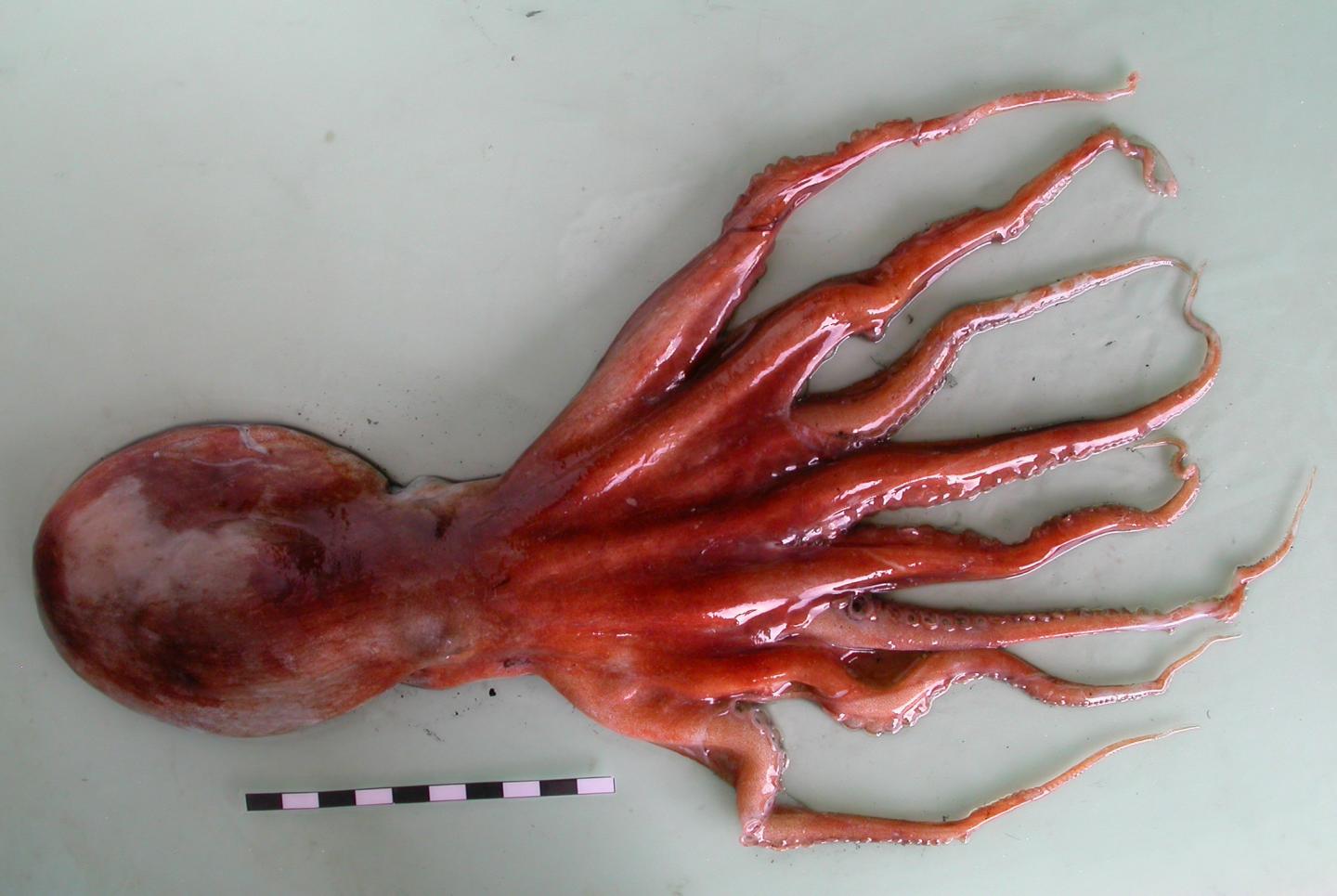
A review of cephalopods (phylum: mollusca) of the canary current large marine ecosystem
IMAGE

Credit: Luna et al.

An extensive review of cephalopod fauna from the Northwest African Atlantic coast was performed by researchers from the University of Vigo (Spain) and the Spanish Institute of Oceanography (IEO). The study was based on the collections gathered in 1,247 bottom trawl stations carried out during ten multidisciplinary surveys in the Canary Current Large Marine Ecosystem (CCLME).

The surveys were conducted by the IEO and the FAO –in the framework of their EAF-Nansen and CCLME projects– along the continental shelf and slope off Morocco, Western Sahara, Mauritania, Senegal, The Gambia, Guinea-Bissau, Guinea, and Cabo Verde, between 2004 and 2012. In all these surveys, the EcoAfrik research team (UVIGO-IEO) led the development of a program focused on benthos intensive sampling. During these surveys a huge amount of quantitative biological data, environmental parameters of the water column and seabed, and important collections of benthic invertebrates were obtained.

After several years devoted to taxonomic study and the exhaustive review of the existing literature, an updated checklist of 138 cephalopods species was generated for the whole CCLME area. Besides, the known geographical distributions of several species have been expanded, as some deep-sea octopuses (such as Muusoctopus januarii, Bathypolypus valdiviae or Cirrothauma murrayi) and many oceanic squids (such as Abralia siedleckyi, Magnoteuthis magna or Chtenopteryx sicula), some recorded for the first time in the area.

The CCLME hosts one of the four major marine upwelling systems and is the third concerning primary productivity worldwide, supporting the largest fisheries of the Atlantic African coast, with an annual production of approximately 2-3 million tonnes. Among the main target commercial species are included some cephalopod groups as squids, cuttlefishes and octopuses.

Although most of the cephalopod species with commercial value in the region have been well-studied, many aspects of the systematic, distribution, biogeography and ecology of other cephalopods are practically unknown.

The EcoAfrik collections represent an exceptional source of information that will provide a global view on the biodiversity, composition and distribution of cephalopods from Northwest Africa.

###

The article A review of cephalopods (Phylum: Mollusca) of the Canary Current Large Marine Ecosystem (Central-East Atlantic, African coast), published in the Journal of the Marine Biological Association of the United Kingdom, is available free for a month.

Media Contact
Natalie Warrender
[email protected]

Original Source

https://www.cambridge.org/core/journals/journal-of-the-marine-biological-association-of-the-united-kingdom/article/abs/review-of-cephalopods-phylum-mollusca-of-the-canary-current-large-marine-ecosystem-centraleast-atlantic-african-coast/CB73E83187B53

Related Journal Article

http://dx.doi.org/10.1017/S0025315420001356

Tags: BiologyEcology/EnvironmentMarine/Freshwater Biology
Share12Tweet8Share2ShareShareShare2

Related Posts

BAF155 Drives Brain Myelination, Autism Behaviors in Mice

December 21, 2025

TMEM120A Regulates Fat Lipids via ER CoA Channel

December 21, 2025

Hidden Deforestation from Global Mining in 21st Century

December 21, 2025

Empowerment Model Boosts COPD Patients via Telenursing

December 21, 2025
Please login to join discussion

POPULAR NEWS

  • Nurses’ Views on Online Learning: Effects on Performance

    Nurses’ Views on Online Learning: Effects on Performance

    70 shares
    Share 28 Tweet 18
  • NSF funds machine-learning research at UNO and UNL to study energy requirements of walking in older adults

    71 shares
    Share 28 Tweet 18
  • Unraveling Levofloxacin’s Impact on Brain Function

    53 shares
    Share 21 Tweet 13
  • Exploring Audiology Accessibility in Johannesburg, South Africa

    51 shares
    Share 20 Tweet 13

About

We bring you the latest biotechnology news from best research centers and universities around the world. Check our website.

Follow us

Recent News

BAF155 Drives Brain Myelination, Autism Behaviors in Mice

TMEM120A Regulates Fat Lipids via ER CoA Channel

Hidden Deforestation from Global Mining in 21st Century

Subscribe to Blog via Email

Enter your email address to subscribe to this blog and receive notifications of new posts by email.

Join 70 other subscribers
  • Contact Us

Bioengineer.org © Copyright 2023 All Rights Reserved.

Welcome Back!

Login to your account below

Forgotten Password?

Retrieve your password

Please enter your username or email address to reset your password.

Log In
No Result
View All Result
  • Homepages
    • Home Page 1
    • Home Page 2
  • News
  • National
  • Business
  • Health
  • Lifestyle
  • Science

Bioengineer.org © Copyright 2023 All Rights Reserved.