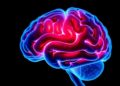
UOC researchers have reviewed the scientific studies published on how the coronavirus affects the central nervous system

Credit: Kat Jayne / Pexels
Delirium accompanied by fever could be an early symptom of COVID-19. This is the main conclusion drawn by a scientific research review carried out by researchers from the Universitat Oberta de Catalunya (UOC) and published in the open access Journal of Clinical Immunology and Immunotherapy, which highlights the fact that, together with the loss of the senses of taste and smell and headaches that occur in the days prior to the manifestation of coughing and breathing difficulties, some patients also develop delirium.
As such, the manifestation of this state of confusion, when accompanied by high fever, should be considered an early marker of the disease, particularly in the case of elderly patients.
“Delirium is a state of confusion in which the person feels out of touch with reality, as if they are dreaming,” explained UOC researcher Javier Correa, who carried out this study at the University of Bordeaux (France). He added that “we need to be on the alert, particularly in an epidemiological situation like this, because an individual presenting certain signs of confusion may be an indication of infection”.
Correa, together with UOC Cognitive NeuroLab researcher Diego Redolar Ripoll, has reviewed the body of scientific work published on the effects of COVID-19 in relation to the central nervous system, i.e. the brain. The review found that, although to date much of the coronavirus research conducted since the first cases of pneumonia were reported in China (on 31 December 2019) have focused on the damage it causes to the lungs and other organs, such as the kidneys and heart, there are growing indications that the coronavirus also affects the central nervous system and produces neurocognitive alterations, such as headaches and delirium, as well as psychotic episodes.
“The main hypotheses which explain how the coronavirus SARS-CoV-2 affects the brain point to three possible causes: hypoxia or neuronal oxygen deficiency, inflammation of brain tissue due to cytokine storm and the fact that the virus has the ability to cross the blood-brain barrier to directly invade the brain,” commented Correa. He stressed that any one of these three factors has the potential to result in delirium and explained that evidence of hypoxia-related brain damage has been observed in autopsies carried out on patients who have died from the infection and that it has been possible to isolate the virus from the cerebral tissue.
According to the researchers, delirium, cognitive deficits and behavioural anomalies are most likely to be the result of systemic inflammation of the organ and a state of hypoxia, which also causes the neuronal tissue to become inflamed and cause damage in areas such as the hippocampus, which are associated with the cognitive dysfunctions and behavioural alterations presented by patients suffering delirium.
###
This UOC research project supports Sustainable Development Goal (SDG) 3 – Good health and wellbeing.
Reference Article
Vázquez, J. C.; Redolar-Ripoll, D. (2020). “Delirium in Severe Acute Respiratory Syndrome-Coronavirus-2 Infection: A Point of View”. Journal of Clinical Immunology and Immunotherapy.
https:/
This study received funding from the Spanish Ministry of Science and Innovation) and the European Regional Development Fund (ERDF).
Media Contact
Sònia Armengou
[email protected]
Original Source
https:/
Related Journal Article
http://dx.