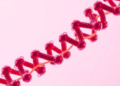
Osaka City University detects cancer cells in 2ml blood samples and connects them back to their origin tumor — creating a new diagnostic tool that may aid in quicker and more accurate anti-cancer measures

Credit: Masakazu Yashiro, Osaka City University
FGFR2 and gastric cancer
Fibroblast growth factor receptor 2 is a protein that aids in the growth of new cells. So, for example, FGFR2 helps repair injuries by aiding in the growth of new tissue cells in the affected area. What FGFR2 does not do however, is tell cells to stop growing. FGFR2 is like a mindless robot that does the same job over and over again, even if that job is no longer needed. This means sometimes FGFR2 continues churning out new cells beyond their need, i.e. even after the injured area has been repaired, at which point these cells form tumors and turn into cancer. When the tumor saps all the resources from its surroundings, FGFR2 is activated and new cancer cells are sent down the bloodstream to areas with untapped resources. An “overexpression” of FGFR2 may mean this protein has been activated to make cells to cancerous levels, evidenced in FGFR2 overexpression having a reported 3-10% association with gastric cancers.
Why “in the blood” matters
Cancer has “heterogeneity” in that it may differ in nature between the primary site and the site of recurrence and metastasis. This makes tracking cancer a game of cat and mouse with a blindfold on. Unless you have access to the molecular structure of the cells passing through the bloodstream, you cannot see where the cancer has spread until its fledgling cells have settled into a new area and grown into an obtrusive tumor.
“If circulating cancer cells in the blood can be detected, it will be possible to investigate the characteristics of cancer metastases that are rarely removed, and it will be a useful diagnostic method for selecting molecular-targeted therapeutic agents suitable for the characteristics of each patient’s unique form of cancer”, says lead researcher Masakazu Yashiro, Department of Molecular Oncology and Therapeutics, Graduate School of Medicine, Osaka City University. With his team, they measured the FGFR2 expression level of circulating tumor cells with a FACScan on a 2ml sample of blood periphery to a tumor they had previously assessed the FGFR2 expression level via immunohistochemistry. They found that FGFR2 overexpression in the blood samples was significantly correlated to the FGFR2 expression level of the tumor.
“The significantly poorer relapse-free survival of patients with these higher correlations suggests that with this new method of finding FGFR2-positive cancer cells in the bloodstream, scientists can target an existing tumor quicker and with more accurate therapeutic agents”, adds Masakazu. “Inhibitors targeting FGFR2 abnormalities are under development. By successfully identifying FGFR2-expressing cancer cells with a small amount of blood, we expect this tool to contribute to appropriate decision-making on the use of anticancer drugs, such as determining when to start FGFR inhibitors.”
###
We are Osaka City University – the oldest research university in Osaka. With 9 undergraduate faculties and 11 graduate schools all dedicated to making urban life better, energy cleaner, and people healthier and happier, we have won numerous awards and have produced 2 Nobel laureates. For more information, please visit our website at https:/
Media Contact
James Gracey
[email protected]
Related Journal Article
http://dx.