MU researcher helps adolescents with autism transition to adult health care
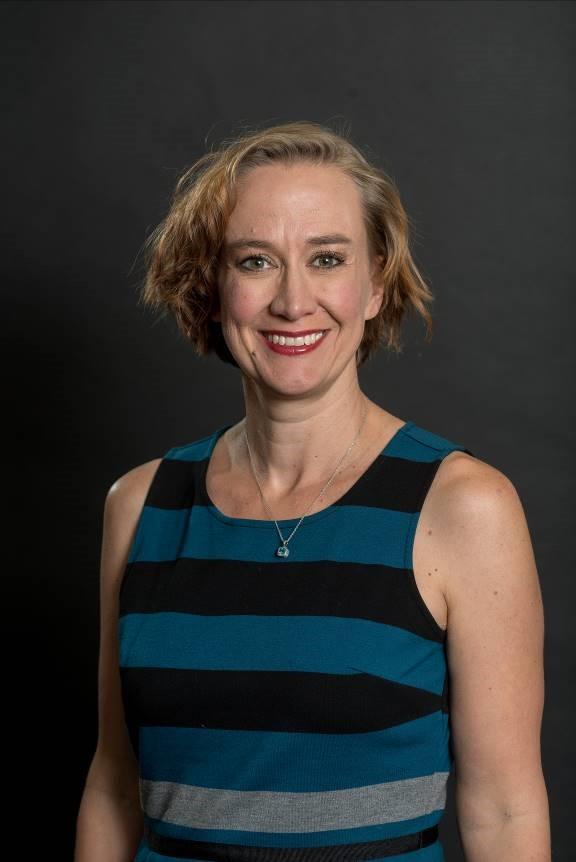
Credit: MU School of Health Professions
COLUMBIA, Mo. — Independence has always been a driving force in Nancy Cheak-Zamora’s life. Now an associate professor at the University of Missouri School of Health Professions, she grew up undiagnosed with dyslexia, a learning disorder that can lead to difficulty reading.
“Although I wasn’t receiving all the assistance or services I probably needed because I was undiagnosed, I always had supportive people in my life who encouraged me and gave me opportunities to be successful,” Cheak-Zamora said. “That encouragement fundamentally allowed me to take on more independence and work through challenges in a way that has helped me succeed in both academia and in life.”
Eager to offer the same encouragement she received growing up, Cheak-Zamora’s research is rooted in a desire to improve the independence of young adults with developmental disabilities, particularly autism. One of her previous studies found young adults with autism were half as likely to receive health care transition services, such as learning how to schedule a doctor’s appointment or fill a prescription, compared to other young adults with special health care needs.
To help solve this disparity, she recently developed the world’s first health care “transition readiness assessment” specifically for adolescents with autism. A transition readiness assessment identifies skills adolescents need to transition from pediatric care to adult care and be able to manage their health appropriately. By partnering with five autism clinics across the United States, including the MU Thompson Center for Autism & Neurodevelopmental Disorders, Cheak-Zamora had 500 caregivers of young adults with autism in her study.
She found young adults with autism could benefit by better understanding medication management, insurance policies and health care finances; developing skills like scheduling a doctor’s appointment or filling a prescription; and receiving education on other areas like interactions with law enforcement and understanding their sexual health and relationship needs.
“Building their autonomy and independence in a health care setting is important because once they can meet the challenges in front of them in one aspect of their life, the research shows that confidence will carry over into other areas of their life as well,” Cheak-Zamora said. “Successfully scheduling a doctor’s appointment can translate into more autonomous behavior in school or taking more ownership of chores at home.”
Cheak-Zamora added that health care providers can use her transition readiness assessment to better identify gaps in education and areas for improvement when caring for young adults with autism, which will take the pressure off already overburdened caregivers.
“The goal is to provide more services for young adults with autism while at the same time allowing them to meet challenges on their own and not always be protected by mom and dad,” Cheak-Zamora said. “I want them to know a support system is there for them when they need it, but I also want them to believe in their ability to be independent and do whatever it takes to be successful in life.”
###
“Validation of the Health-Related Independence for Young Adults with Autism Spectrum Disorder Measure – Caregiver Version” was recently published in the Journal of Autism and Developmental Disorders. Funding for the study was provided by the United States Department of Defense.
Media Contact
Brian Consiglio
[email protected]
Original Source
https:/
Related Journal Article
http://dx.