• HOME
  • NEWS
  • EXPLORE
    • CAREER
      • Companies
      • Jobs
    • EVENTS
    • iGEM
      • News
      • Team
    • PHOTOS
    • VIDEO
    • WIKI
  • BLOG
  • COMMUNITY
    • FACEBOOK
    • INSTAGRAM
    • TWITTER
Saturday, February 7, 2026
BIOENGINEER.ORG
No Result
View All Result
  • Login
  • HOME
  • NEWS
  • EXPLORE
    • CAREER
      • Companies
      • Jobs
        • Lecturer
        • PhD Studentship
        • Postdoc
        • Research Assistant
    • EVENTS
    • iGEM
      • News
      • Team
    • PHOTOS
    • VIDEO
    • WIKI
  • BLOG
  • COMMUNITY
    • FACEBOOK
    • INSTAGRAM
    • TWITTER
  • HOME
  • NEWS
  • EXPLORE
    • CAREER
      • Companies
      • Jobs
        • Lecturer
        • PhD Studentship
        • Postdoc
        • Research Assistant
    • EVENTS
    • iGEM
      • News
      • Team
    • PHOTOS
    • VIDEO
    • WIKI
  • BLOG
  • COMMUNITY
    • FACEBOOK
    • INSTAGRAM
    • TWITTER
No Result
View All Result
Bioengineer.org
No Result
View All Result
Home NEWS Science News Biology

Camera traps show impact of recreational activity on wildlife

Bioengineer by Bioengineer
September 24, 2020
in Biology
Reading Time: 3 mins read
0
IMAGE
Share on FacebookShare on TwitterShare on LinkedinShare on RedditShare on Telegram

IMAGE

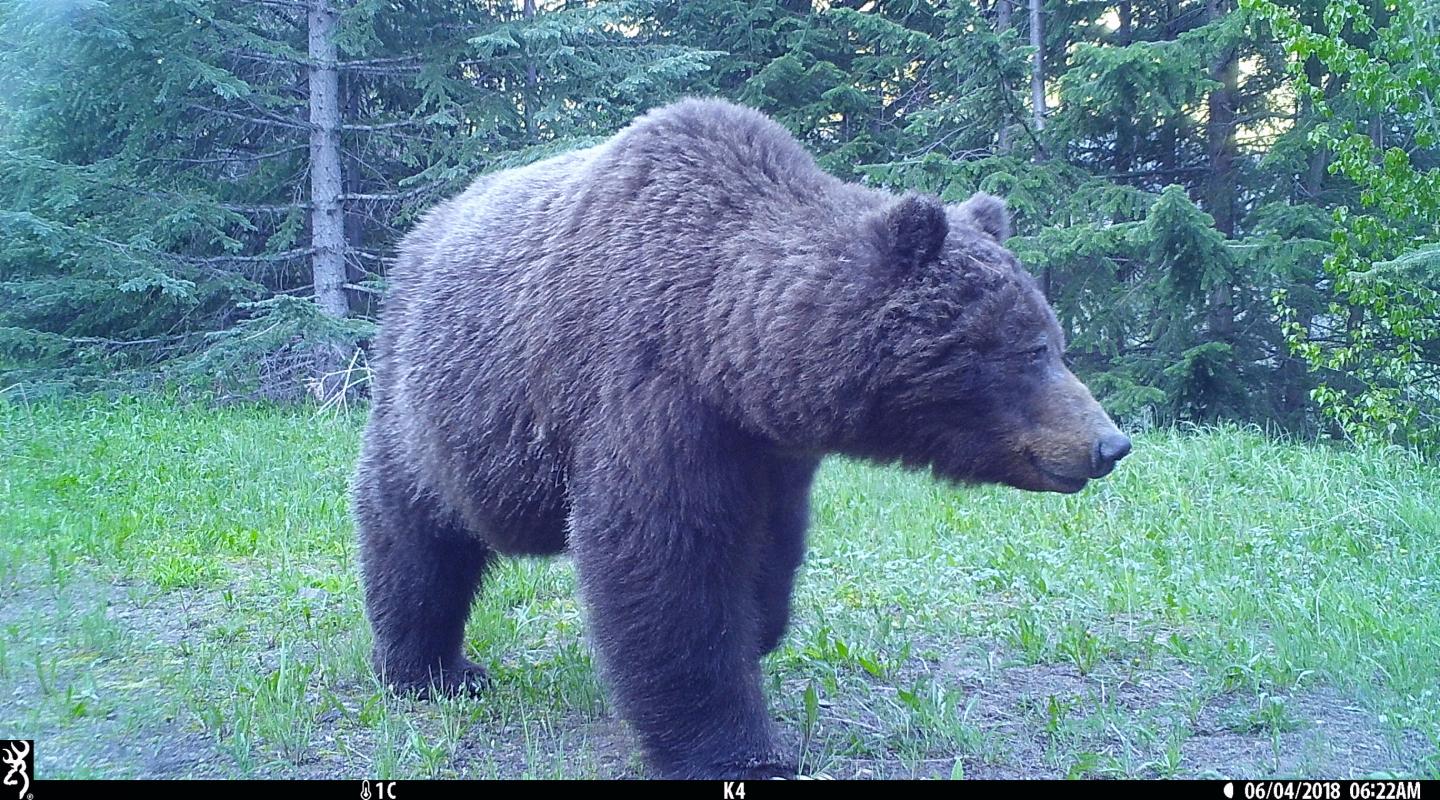
Credit: Robin Naidoo

The COVID-19 pandemic has fired up interest in outdoor activities in our parks and forests. Now a new UBC study highlights the need to be mindful of how these activities may affect wildlife living in protected areas.

Researchers placed motion-activated cameras on the trails in and around the South Chilcotin Mountains Provincial Park in southwestern B.C., a region popular for its wildlife and recreational activities such as hiking, horseback riding, ATV riding and mountain biking. Overall, they found that environmental factors–like the elevation or the condition of the forest around a camera location–were generally more important than human activity in determining how often wildlife used the trails.

However, there were still significant impacts. Deeper analysis of trail use captured by the cameras showed that all wildlife tended to avoid places that were recently visited by recreational users. And they avoided mountain bikers and motorized vehicles significantly more than they did hikers and horseback riders.

The researchers focused on 13 species including grizzly bear, black bear, moose, mule deer and wolf.

“We wanted to better understand the relative impacts of human recreation in this region, given its increasing popularity. We already know that motorized vehicle access can disrupt wildlife; our initial findings suggest that other types of recreation may also be having impacts,” said study author Robin Naidoo, a UBC adjunct professor at the Institute for Resources, Environment and Sustainability.

Like many parks, the South Chilcotin Mountains provincial park and nearby regions are experiencing growing pressure from human activities–both recreational and industrial. According to Naidoo, the study confirms that camera traps can effectively monitor both wildlife and human trail use in these and other remote regions. “We’ll be able to collect more information over time and build a solid basis for research findings that can ultimately inform public policy,” he added

“Study co-author Cole Burton, a professor of forestry at UBC and the Canada Research Chair in terrestrial mammal conservation, says further research will be needed before any firm conclusions can be drawn.

“This is the first year of our multiyear study of the region. We’ll continue to observe and to analyze, so that we can better understand and mitigate the effects of these different human activities on wildlife,” said Burton. “Outdoor recreation and sustainable use of forest landscapes are important, but we need to balance them with potential disruption of the ecosystem and the loss of important species.”

###

“Relative effects of recreational activities on a temperate terrestrial wildlife assemblage” was published recently in Conservation Science and Practice. The study received funding from Habitat Conservation Trust Fund, World Wildlife Fund, Lillooet Naturalists Society and BC Parks.

IMAGES: Dropbox

https://www.dropbox.com/sh/oes0x3wgsr92541/AAANywbVDfQEMqb2rugQHMMAa?dl=0

Media Contact
Lou Corpuz-Bosshart
[email protected]

Original Source

https://news.ubc.ca/2020/09/24/camera-traps-show-impact-of-recreational-activity-on-wildlife/

Related Journal Article

http://dx.doi.org/10.1111/csp2.271

Tags: BiologyClimate ChangeEarth ScienceForestryPlant Sciences
Share12Tweet8Share2ShareShareShare2

Related Posts

Florida Cane Toad: Complex Spread and Selective Evolution

Florida Cane Toad: Complex Spread and Selective Evolution

February 7, 2026
New Study Uncovers Mechanism Behind Burn Pit Particulate Matter–Induced Lung Inflammation

New Study Uncovers Mechanism Behind Burn Pit Particulate Matter–Induced Lung Inflammation

February 6, 2026

DeepBlastoid: Advancing Automated and Efficient Evaluation of Human Blastoids with Deep Learning

February 6, 2026

Navigating the Gut: The Role of Formic Acid in the Microbiome

February 6, 2026
Please login to join discussion

POPULAR NEWS

  • Robotic Ureteral Reconstruction: A Novel Approach

    Robotic Ureteral Reconstruction: A Novel Approach

    82 shares
    Share 33 Tweet 21
  • Digital Privacy: Health Data Control in Incarceration

    63 shares
    Share 25 Tweet 16
  • Study Reveals Lipid Accumulation in ME/CFS Cells

    57 shares
    Share 23 Tweet 14
  • Breakthrough in RNA Research Accelerates Medical Innovations Timeline

    53 shares
    Share 21 Tweet 13

About

We bring you the latest biotechnology news from best research centers and universities around the world. Check our website.

Follow us

Recent News

Phage-Antibiotic Combo Beats Resistant Peritoneal Infection

Boosting Remote Healthcare: Stepped-Wedge Trial Insights

Barriers and Boosters of Seniors’ Physical Activity in Karachi

Subscribe to Blog via Email

Enter your email address to subscribe to this blog and receive notifications of new posts by email.

Join 73 other subscribers
  • Contact Us

Bioengineer.org © Copyright 2023 All Rights Reserved.

Welcome Back!

Login to your account below

Forgotten Password?

Retrieve your password

Please enter your username or email address to reset your password.

Log In
No Result
View All Result
  • Homepages
    • Home Page 1
    • Home Page 2
  • News
  • National
  • Business
  • Health
  • Lifestyle
  • Science

Bioengineer.org © Copyright 2023 All Rights Reserved.