• HOME
  • NEWS
  • EXPLORE
    • CAREER
      • Companies
      • Jobs
    • EVENTS
    • iGEM
      • News
      • Team
    • PHOTOS
    • VIDEO
    • WIKI
  • BLOG
  • COMMUNITY
    • FACEBOOK
    • INSTAGRAM
    • TWITTER
Tuesday, May 26, 2026
BIOENGINEER.ORG
No Result
View All Result
  • Login
  • HOME
  • NEWS
  • EXPLORE
    • CAREER
      • Companies
      • Jobs
        • Lecturer
        • PhD Studentship
        • Postdoc
        • Research Assistant
    • EVENTS
    • iGEM
      • News
      • Team
    • PHOTOS
    • VIDEO
    • WIKI
  • BLOG
  • COMMUNITY
    • FACEBOOK
    • INSTAGRAM
    • TWITTER
  • HOME
  • NEWS
  • EXPLORE
    • CAREER
      • Companies
      • Jobs
        • Lecturer
        • PhD Studentship
        • Postdoc
        • Research Assistant
    • EVENTS
    • iGEM
      • News
      • Team
    • PHOTOS
    • VIDEO
    • WIKI
  • BLOG
  • COMMUNITY
    • FACEBOOK
    • INSTAGRAM
    • TWITTER
No Result
View All Result
Bioengineer.org
No Result
View All Result
Home NEWS Science News

The promise of greener power generation

Bioengineer by Bioengineer
December 5, 2016
in Science News
Reading Time: 2 mins read
0
Share on FacebookShare on TwitterShare on LinkedinShare on RedditShare on Telegram
IMAGE

Credit: © 2016 KAUST

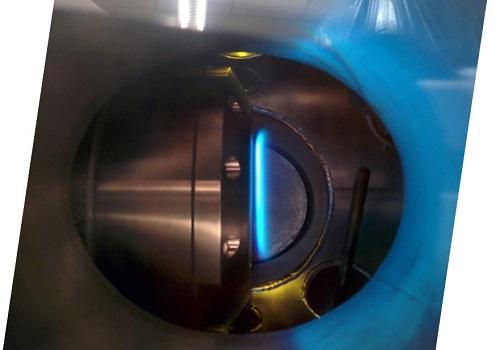
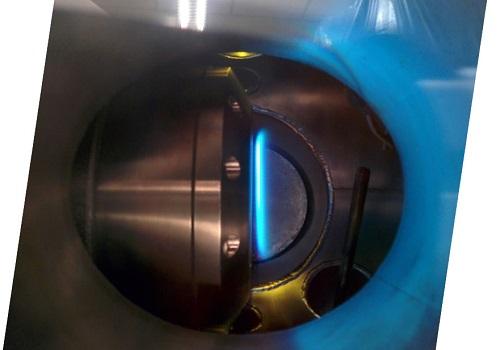
Modeling the combustion of fossil fuels by KAUST researchers has helped to characterize some of the components of methane, laying the foundations for greener power generation1.

In energy production, incomplete combustion of fossil fuels, like natural gas, causes the release of air pollutants, such as soot, carbon monoxide, and nitrogen oxides, which are harmful to our health and the environment.

Applying an external electrical field to control the combustion process is known to reduce the formation of these pollutants, but the mechanism for this is not fully understood. This spurred Aamir Farooq and colleagues at the Clean Combustion Research Center at KAUST to develop a catalog of the compounds formed during the combustion of methane, the primary component of natural gas, which may lead to the design of more efficient gas turbines and less polluting power plants.

"Controlling the charged particles allows a leaner, higher air-to-fuel mix, flame to be burned at lower temperatures, providing a more complete and efficient combustion of the fuel and a reduction in the formation of pollutants," explains Farooq.

Positively charged particles, called cations, are formed when electrons are stripped from their atoms during combustion. These are less abundant, often by many orders of magnitude, than the neutral molecules also formed which makes observing the formation and behavior of these ions a significant technical challenge.

To overcome this, the researchers used a McKenna burner to produce a stable, low-pressure methane-oxygen-argon flame. They employed a specially-designed molecular beam mass spectrometer to measure the ions formed in the flame, allowing them to be distinguished from the more abundant neutral (uncharged) compounds.

"We were able to measure a wide range of ions, allowing us to understand how they form and decay, and lead to the formation of other ions," explains Farooq. "A surprising and significant observation was the relatively large concentrations of ions other than hydronium."

The presence of hydronium indicates the acidity of the flame–the more acidic the flame the more favorable are the conditions for forming soot particles; and so measuring its relative concentration is crucial to reducing soot pollution. Identifying significant deficiencies in current ion models, the work proposes improvements for simulating ion formation and behavior–new work is considering the ions produced from heavier compounds in natural gas, such as ethane and propane

"Our work is the first attempt to identify the cations formed in the combustion of low-pressure methane, and represents a major step towards the use of external electric fields for generating cleaner power," says Farooq.

###

Media Contact

Michelle D'Antoni
[email protected]

http://kaust.edu.sa/

############

Story Source: Materials provided by Scienmag

Share12Tweet8Share2ShareShareShare2

Related Posts

3D Whole-Organ Imaging Uncovers Residual Insulin-Producing Cells in Type 1 Diabetes

May 26, 2026
Dimethyl Fumarate Reduces Experimental Bronchopulmonary Dysplasia — Technology and Engineering

Dimethyl Fumarate Reduces Experimental Bronchopulmonary Dysplasia

May 26, 2026

From Salk Institute Breakthrough to Bedside: Vitamin D Analog Disarms Pancreatic Cancer’s Defenses in Clinical Trial

May 26, 2026

Canadian Rockies Research Reveals Spruce Trees Adapt Consistently Across Rugged Peaks and Boreal Flatlands

May 26, 2026
Please login to join discussion

POPULAR NEWS

  • ESMO 2025: mRNA COVID Vaccines Enhance Efficacy of Cancer Immunotherapy

    317 shares
    Share 127 Tweet 79
  • New Study Reveals Plants Can Detect the Sound of Rain

    735 shares
    Share 293 Tweet 183
  • Common Food Preservatives Associated with Elevated Blood Pressure and Increased Heart Disease Risk

    56 shares
    Share 22 Tweet 14
  • Research Indicates Potential Connection Between Prenatal Medication Exposure and Elevated Autism Risk

    847 shares
    Share 339 Tweet 212

About

We bring you the latest biotechnology news from best research centers and universities around the world. Check our website.

Follow us

Recent News

3D Whole-Organ Imaging Uncovers Residual Insulin-Producing Cells in Type 1 Diabetes

Dimethyl Fumarate Reduces Experimental Bronchopulmonary Dysplasia

From Salk Institute Breakthrough to Bedside: Vitamin D Analog Disarms Pancreatic Cancer’s Defenses in Clinical Trial

Subscribe to Blog via Email

Enter your email address to subscribe to this blog and receive notifications of new posts by email.

Join 82 other subscribers
  • Contact Us

Bioengineer.org © Copyright 2023 All Rights Reserved.

Welcome Back!

Login to your account below

Forgotten Password?

Retrieve your password

Please enter your username or email address to reset your password.

Log In
No Result
View All Result
  • Homepages
    • Home Page 1
    • Home Page 2
  • News
  • National
  • Business
  • Health
  • Lifestyle
  • Science

Bioengineer.org © Copyright 2023 All Rights Reserved.