• HOME
  • NEWS
  • EXPLORE
    • CAREER
      • Companies
      • Jobs
    • EVENTS
    • iGEM
      • News
      • Team
    • PHOTOS
    • VIDEO
    • WIKI
  • BLOG
  • COMMUNITY
    • FACEBOOK
    • INSTAGRAM
    • TWITTER
Saturday, February 7, 2026
BIOENGINEER.ORG
No Result
View All Result
  • Login
  • HOME
  • NEWS
  • EXPLORE
    • CAREER
      • Companies
      • Jobs
        • Lecturer
        • PhD Studentship
        • Postdoc
        • Research Assistant
    • EVENTS
    • iGEM
      • News
      • Team
    • PHOTOS
    • VIDEO
    • WIKI
  • BLOG
  • COMMUNITY
    • FACEBOOK
    • INSTAGRAM
    • TWITTER
  • HOME
  • NEWS
  • EXPLORE
    • CAREER
      • Companies
      • Jobs
        • Lecturer
        • PhD Studentship
        • Postdoc
        • Research Assistant
    • EVENTS
    • iGEM
      • News
      • Team
    • PHOTOS
    • VIDEO
    • WIKI
  • BLOG
  • COMMUNITY
    • FACEBOOK
    • INSTAGRAM
    • TWITTER
No Result
View All Result
Bioengineer.org
No Result
View All Result
Home NEWS Science News Health

An early morning whey protein snack increases morning blood sugar level in healthy people

Bioengineer by Bioengineer
July 10, 2020
in Health
Reading Time: 2 mins read
0
IMAGE
Share on FacebookShare on TwitterShare on LinkedinShare on RedditShare on Telegram

IMAGE

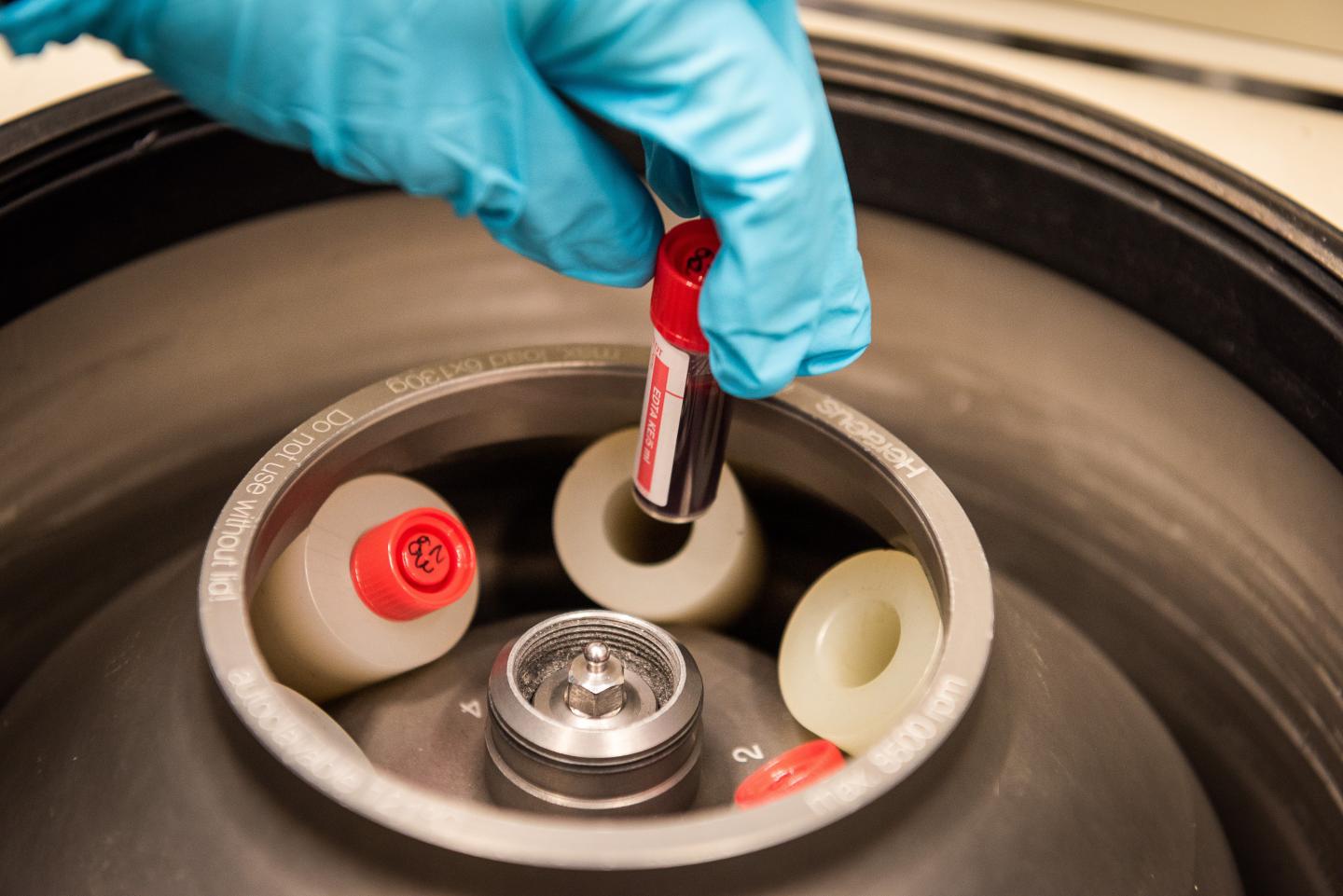
Credit: James Betts, the University of Bath

Consuming protein at night increases blood sugar level in the morning for healthy people, according to new research presented this week at The Physiological Society’s virtual early career conference called Future Physiology 2020.

Having high blood sugar levels after eating is linked to health problems, such as diabetes, heart disease and obesity. Previous research has shown that a snack a few hours before a meal can help control blood sugar levels, which may partly explain why the first thing we eat each day (i.e. breakfast) tends to increase blood sugars more than other later meals.

This study investigated whether waking-up at night to consume some protein might keep blood sugars lower the next morning. Surprisingly, the blood sugar response to breakfast was higher when participants had consumed protein rather than plain water at 4 am.

These unexpected findings may be informative for people trying to improve their control of blood sugar levels.

One explanation for the result is that the body does not expect or need much food to be consumed during the night and so the protein itself was turned into sugar. This may result in the body having more carbohydrate already available upon waking such that the energy in the breakfast can less easily be used or stored, so it builds-up more in the blood.

The researchers at the University of Bath studied fifteen healthy young men and women (8 females and 7 males). The participants were woken up at 4 am to drink 300 ml of a water solution, either with or without 63 grams of whey protein.

They then went back to sleep and at 9 am were provided with a standard amount of porridge for breakfast, with blood samples collected for 2 hours afterwards to check the blood glucose response.

The participants then returned to the lab to do the same again a week or so later, but were provided with the other drink at night (4 am) so that we could compare the glucose response to the same breakfast in the same person and see the effects of the night-time protein.

Eleanor Smith, who presented the work, said:
“Future research will look at whether this applies to older and overweight people who tend to have more problems controlling their blood sugar levels. It would also be interesting to know to what extent our findings are due to eating at an unusual time or the type of protein consumed.”

###

Media Contact
Julia Turan
[email protected]

Tags: BiologyDiabetesDiet/Body WeightMetabolism/Metabolic DiseasesNutrition/NutrientsPhysiologyPublic Health
Share12Tweet8Share2ShareShareShare2

Related Posts

Evaluating Pediatric Emergency Care Quality in Ethiopia

February 7, 2026

TPMT Expression Predictions Linked to Azathioprine Side Effects

February 7, 2026

Improving Dementia Care with Enhanced Activity Kits

February 7, 2026

Decoding Prostate Cancer Origins via snFLARE-seq, mxFRIZNGRND

February 7, 2026
Please login to join discussion

POPULAR NEWS

  • Robotic Ureteral Reconstruction: A Novel Approach

    Robotic Ureteral Reconstruction: A Novel Approach

    82 shares
    Share 33 Tweet 21
  • Digital Privacy: Health Data Control in Incarceration

    63 shares
    Share 25 Tweet 16
  • Study Reveals Lipid Accumulation in ME/CFS Cells

    57 shares
    Share 23 Tweet 14
  • Breakthrough in RNA Research Accelerates Medical Innovations Timeline

    53 shares
    Share 21 Tweet 13

About

We bring you the latest biotechnology news from best research centers and universities around the world. Check our website.

Follow us

Recent News

Evaluating Pediatric Emergency Care Quality in Ethiopia

TPMT Expression Predictions Linked to Azathioprine Side Effects

Improving Dementia Care with Enhanced Activity Kits

Subscribe to Blog via Email

Success! An email was just sent to confirm your subscription. Please find the email now and click 'Confirm' to start subscribing.

Join 73 other subscribers
  • Contact Us

Bioengineer.org © Copyright 2023 All Rights Reserved.

Welcome Back!

Login to your account below

Forgotten Password?

Retrieve your password

Please enter your username or email address to reset your password.

Log In
No Result
View All Result
  • Homepages
    • Home Page 1
    • Home Page 2
  • News
  • National
  • Business
  • Health
  • Lifestyle
  • Science

Bioengineer.org © Copyright 2023 All Rights Reserved.