• HOME
  • NEWS
  • EXPLORE
    • CAREER
      • Companies
      • Jobs
    • EVENTS
    • iGEM
      • News
      • Team
    • PHOTOS
    • VIDEO
    • WIKI
  • BLOG
  • COMMUNITY
    • FACEBOOK
    • INSTAGRAM
    • TWITTER
Sunday, February 8, 2026
BIOENGINEER.ORG
No Result
View All Result
  • Login
  • HOME
  • NEWS
  • EXPLORE
    • CAREER
      • Companies
      • Jobs
        • Lecturer
        • PhD Studentship
        • Postdoc
        • Research Assistant
    • EVENTS
    • iGEM
      • News
      • Team
    • PHOTOS
    • VIDEO
    • WIKI
  • BLOG
  • COMMUNITY
    • FACEBOOK
    • INSTAGRAM
    • TWITTER
  • HOME
  • NEWS
  • EXPLORE
    • CAREER
      • Companies
      • Jobs
        • Lecturer
        • PhD Studentship
        • Postdoc
        • Research Assistant
    • EVENTS
    • iGEM
      • News
      • Team
    • PHOTOS
    • VIDEO
    • WIKI
  • BLOG
  • COMMUNITY
    • FACEBOOK
    • INSTAGRAM
    • TWITTER
No Result
View All Result
Bioengineer.org
No Result
View All Result
Home NEWS Science News Health

About half of health care workers positive for COVID-19 by serology have no symptoms

Bioengineer by Bioengineer
July 9, 2020
in Health
Reading Time: 2 mins read
0
IMAGE
Share on FacebookShare on TwitterShare on LinkedinShare on RedditShare on Telegram

IMAGE

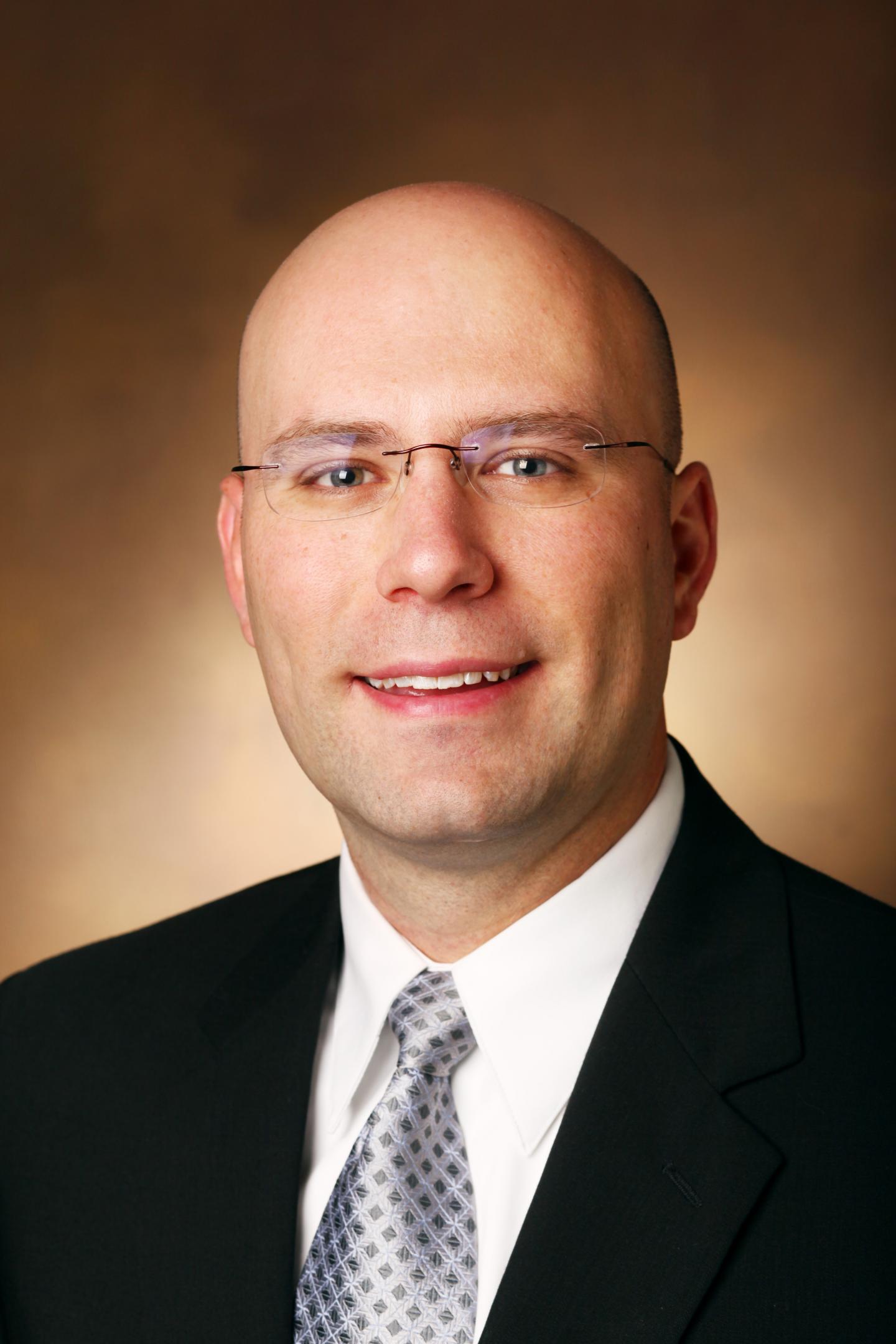
Credit: Vanderbilt University Medical Center

The IVY Research Network has completed initial studies evaluating the epidemiology of COVID-19 in health care workers and patients.

Among 249 front-line health care workers who cared for COVID-19 patients during the first month of the pandemic in Tennessee, 8% tested positive for COVID-19 antibodies by serology testing, suggesting they had contracted COVID-19 in the first several weeks of taking care of COVID-19 patients. Among these health care workers with positive serology results, 42% reported no symptoms of a respiratory illness in the prior two months. This suggests that front-line health care workers are at high risk for COVID-19 and that many health care workers with the virus may not have typical symptoms of a respiratory infection. These results were published in the journal Clinical Infectious Diseases on July 6.

“Our results suggest that screening health care workers for COVID-19 even when they don’t have any symptoms could be important to prevent the spread of the virus within hospitals,” said Wesley Self, MD, associate professor of Emergency Medicine at Vanderbilt University Medical Center and lead investigator for the IVY Network.

Investigator Bo Stubblefield, MD, instructor of Emergency Medicine, added, “We are continuing to study COVID-19 in front-line health care workers across the country to better understand what may be done to decrease their risk of infection, such as using specific types of personal protective equipment.”

In a separate study, the IVY investigators studied 350 patients across 11 medical centers in the U.S. who tested positive for COVID-19; 54% of these patients reported no close contact with another person known to have COVID-19 in the two weeks before getting sick.

“With over half of COVID-19 patients not identifying a clear source of their infection, this study reinforces the need for practical measures to reduce the spread of the virus, such as social distancing and the use of face coverings when out in public,” Self said.

Additionally, 40% of COVID-19 patients in the study remained symptomatic two weeks after a positive COVID-19 test, showing that patients with COVID-19 tend to remain ill longer than with other respiratory infections, such as influenza. The results were published by the journal Morbidity and Mortality Weekly Report on June 30.

The IVY Network is a collaborative research group of multiple medical centers in the U.S led by Vanderbilt University Medical Center. It is funded by Centers of Disease Control and Prevention (CDC) to conduct research on severe respiratory infections, including COVID-19 and influenza.

###

Media Contact
Craig Boerner
[email protected]

Related Journal Article

http://dx.doi.org/10.1093/cid/ciaa936

Tags: Infectious/Emerging DiseasesMedicine/Health
Share12Tweet8Share2ShareShareShare2

Related Posts

Anesthesia Method’s Impact on Elderly Hip Fracture Recovery

February 8, 2026

Menopause Care: Insights from Workforce Review and Consultation

February 7, 2026

LRRK2R1627P Mutation Boosts Gut Inflammation, α-Synuclein

February 7, 2026

3D Gut-Brain-Vascular Model Reveals Disease Links

February 7, 2026
Please login to join discussion

POPULAR NEWS

  • Robotic Ureteral Reconstruction: A Novel Approach

    Robotic Ureteral Reconstruction: A Novel Approach

    82 shares
    Share 33 Tweet 21
  • Digital Privacy: Health Data Control in Incarceration

    63 shares
    Share 25 Tweet 16
  • Breakthrough in RNA Research Accelerates Medical Innovations Timeline

    53 shares
    Share 21 Tweet 13
  • Mapping Tertiary Lymphoid Structures for Kidney Cancer Biomarkers

    50 shares
    Share 20 Tweet 13

About

We bring you the latest biotechnology news from best research centers and universities around the world. Check our website.

Follow us

Recent News

Anesthesia Method’s Impact on Elderly Hip Fracture Recovery

Menopause Care: Insights from Workforce Review and Consultation

LRRK2R1627P Mutation Boosts Gut Inflammation, α-Synuclein

Subscribe to Blog via Email

Enter your email address to subscribe to this blog and receive notifications of new posts by email.

Join 73 other subscribers
  • Contact Us

Bioengineer.org © Copyright 2023 All Rights Reserved.

Welcome Back!

Login to your account below

Forgotten Password?

Retrieve your password

Please enter your username or email address to reset your password.

Log In
No Result
View All Result
  • Homepages
    • Home Page 1
    • Home Page 2
  • News
  • National
  • Business
  • Health
  • Lifestyle
  • Science

Bioengineer.org © Copyright 2023 All Rights Reserved.