Stay-at-home parents, cleaners, blue-collar workers more likely to develop osteoarthritis
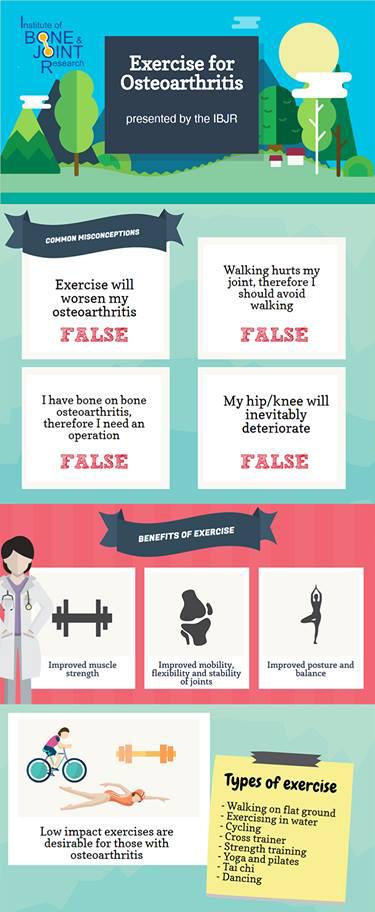
Credit: Institute of Bone and Joint Research, University of Sydney
Knee replacements are a huge burden on society and individuals from all walks of life. A major global systematic review has identified the common jobs – paid and unpaid – that may be putting people unknowingly at risk.
A study by the Universities of Sydney, Oxford and Southampton reveals there is a need for targeted work health and safety practices to extend beyond physically burdensome jobs; regulators and insurance companies should take account of the high number of medium-risk occupations and that unpaid roles also rate highly.
It is the biggest meta-analysis and systematic review of the potentially debilitating knee osteoarthritis (OA) – comprising 71 studies and almost one million people – and the first systematic review into the association between job ‘titles’ and knee OA.
Increased risk was found in agriculture workers, construction workers, miners, service workers, houseworkers (i.e. housewives) and cleaners.
The findings are published today in the prestigious journal Arthritis Care and Research.
The senior author, Professor David Hunter, of the University of Sydney’s Florance and Cope Chair of Rheumatology, Institute of Bone and Joint Research in the Kolling Institute, said the research, while not focusing on the important role of exercise in combatting this common lifestyle ailment, identified the jobs that placed high-to-moderate stress on vulnerable knees.
“Knee osteoarthritis is a leading cause of loss of work and disability worldwide and can necessitate invasive surgery including total knee replacement, so preventing occupational hazards is critical,” Professor Hunter said.
“The burden is increasing, with projections of osteoarthritis that affects one in eight people jumping 50 percent within 15 years , in large part attributable to lifestyle issues such as growing rates of obesity and reduced exercise.”
Lead author Dr Xia Wang, also from the Institute of Bone and Joint Research, Faculty of Medicine and Health, said although research has previously identified frequent kneeling, squatting and heavy lifting – particularly in agriculture and construction – as risk factors, this comprehensive study highlighted occupational risks generally.
“With people working and living longer knee osteoarthritis is an area of concern even in service-focused developed nations, including in mid-risk occupations such as cleaning and full-time, unpaid housework and caring,” she said.
Findings include:
- – Floor-layers, bricklayers and carpenters have ~2.5 times increased odds compared to sedentary workers.
– Agricultural workers had up to 64% increased odds; builders and construction workers had increased odds of 63%.
– Houseworkers (unpaid) have up to 93% increased odds.
– Occupations like commerce, forestry or fishery workers, machine operators, plumbers, electricians, technicians, postmen were not found to be statistically significantly associated with knee OA.
– The following activities were identified as increased risk: excessive kneeling, squatting, standing, lifting and climbing stairs.
Dr Thomas Perry, co-lead author and postdoctoral researcher at the Nuffield Department of Orthopaedics, Rheumatology and Musculoskeletal Sciences, University of Oxford, said: “Our collaborative work has been critical in understanding the relationship between work-place physical activities and knee osteoarthritis. We hope these findings will help guide the future development of work-place personal protective equipment.”
Professor Cyrus Cooper, director of the MRC Lifecourse Epidemiology Unit, University of Southampton, said: “Further evaluation of this issue will ensure that occupational risks of knee osteoarthritis – the commonest joint disorder worldwide – are minimised.”
###
Media Contact
Vivienne Reiner
[email protected]
Related Journal Article
http://dx.