• HOME
  • NEWS
  • EXPLORE
    • CAREER
      • Companies
      • Jobs
    • EVENTS
    • iGEM
      • News
      • Team
    • PHOTOS
    • VIDEO
    • WIKI
  • BLOG
  • COMMUNITY
    • FACEBOOK
    • INSTAGRAM
    • TWITTER
Thursday, January 1, 2026
BIOENGINEER.ORG
No Result
View All Result
  • Login
  • HOME
  • NEWS
  • EXPLORE
    • CAREER
      • Companies
      • Jobs
        • Lecturer
        • PhD Studentship
        • Postdoc
        • Research Assistant
    • EVENTS
    • iGEM
      • News
      • Team
    • PHOTOS
    • VIDEO
    • WIKI
  • BLOG
  • COMMUNITY
    • FACEBOOK
    • INSTAGRAM
    • TWITTER
  • HOME
  • NEWS
  • EXPLORE
    • CAREER
      • Companies
      • Jobs
        • Lecturer
        • PhD Studentship
        • Postdoc
        • Research Assistant
    • EVENTS
    • iGEM
      • News
      • Team
    • PHOTOS
    • VIDEO
    • WIKI
  • BLOG
  • COMMUNITY
    • FACEBOOK
    • INSTAGRAM
    • TWITTER
No Result
View All Result
Bioengineer.org
No Result
View All Result
Home NEWS Science News Health

Many children in intensive care may not be getting rehabilitation therapy, study shows

Bioengineer by Bioengineer
June 11, 2020
in Health
Reading Time: 2 mins read
0
IMAGE
Share on FacebookShare on TwitterShare on LinkedinShare on RedditShare on Telegram

IMAGE

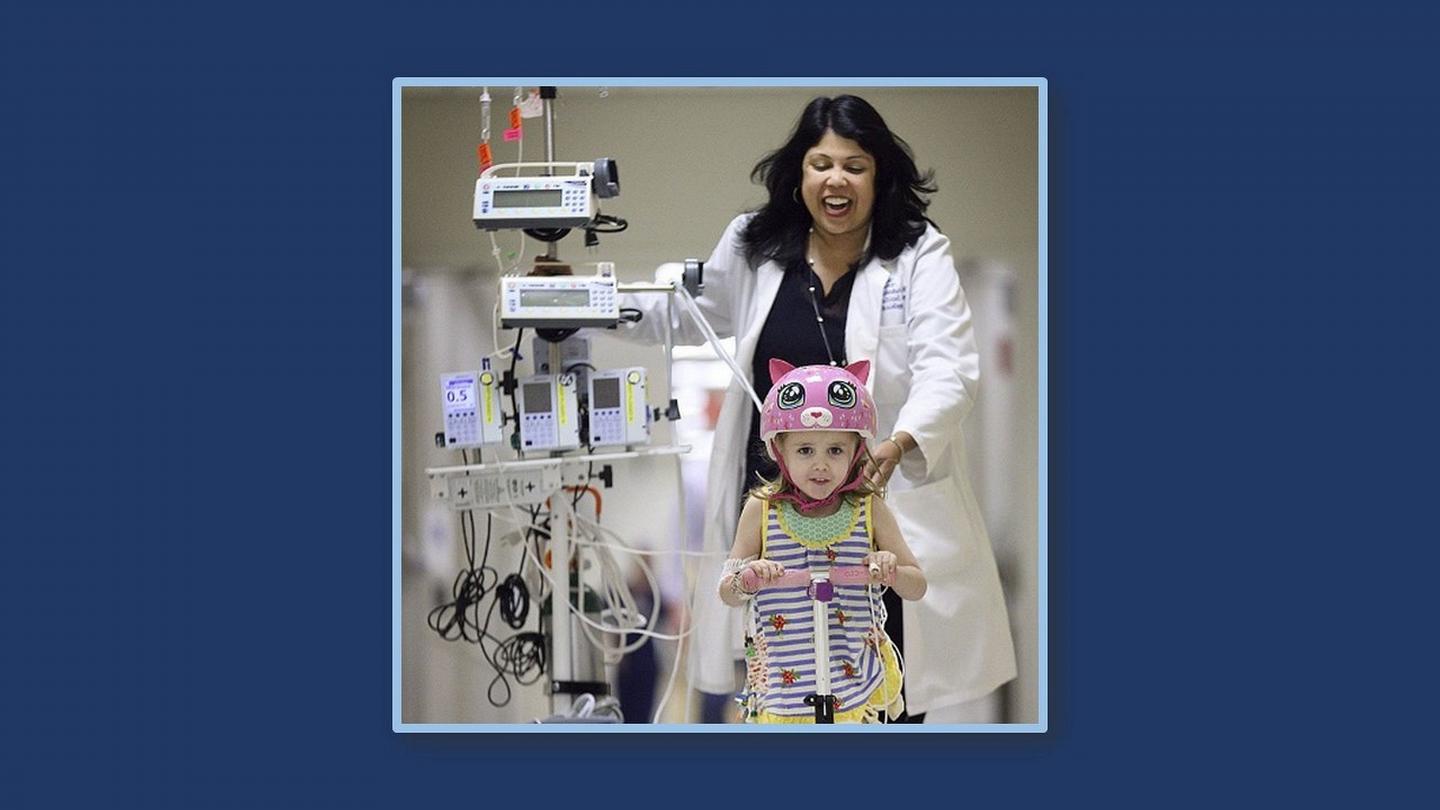
Credit: Johns Hopkins Medicine

Adult patients in hospital intensive care units (ICUs) are often given rehabilitation therapy and urged to keep mobile from an early point in their hospital stays. This has been shown to improve muscle strength, physical functioning and cognitive health, along with reducing the risk of pressure ulcers (“bed sores”), blood clots and other short-term threats. However, the prevalence or lack of rehabilitation practices for critically ill children in pediatric intensive care units (PICUs) across the nation has been not been solidly researched.

Now, a multicenter study led by researchers at Johns Hopkins Medicine shows that 65% of the PICU patients examined did not get physical or occupational therapy, or adequate opportunities to be mobile, while hospitalized during the study period. Female patients and those with normal physical function prior to illness were the most likely to not receive this important care. The study team also found that 19% of critically ill PICU patients were completely immobile during the same time span.

The researchers reported their findings in the May 2020 issue of the journal Critical Care Medicine.

In the study, known as PARK-PICU (for “Prevalence of Acute Rehab for Kids in the PICU”), researchers gathered data on critically ill children in 82 PICUs in 65 hospitals across the United States. This represents one-third of all PICU beds in the country. There were 1,769 patient days in the PICUs reviewed, with the researchers also evaluating perceived barriers and potential safety events for patient mobility.

“Despite the evidence that early rehabilitative therapy and mobility provide benefits to adults in ICUs, and despite the fact that it is known to be safe and reliable for children, our findings reveal that patients in PICUs are not getting the rehabilitative care they need,” says Sapna Kudchadkar, M.D., Ph.D., associate professor of anesthesiology and critical care medicine at the Johns Hopkins University School of Medicine and lead author of the study.

Kudchadkar and her colleagues also found that two-thirds of all children admitted to the PICU for three days or longer are under age 2.

“Pediatric survivors of critical illness commonly experience long-term physical, cognitive and psychological problems, and these issues are compounded by the fact that while children are in the PICU, they are undergoing intensive physical and mental development,” she says.

Based on their study findings, the researchers urge hospitals to “systematically design and evaluate PICU rehabilitation interventions for a vulnerable patient population.

###

Media Contact
Michael E. Newman
[email protected]

Related Journal Article

http://dx.doi.org/10.1097/CCM.0000000000004291

Tags: Critical Care/Emergency MedicineMedicine/Health
Share12Tweet8Share2ShareShareShare2

Related Posts

AI Classifies Tumor-Infiltrating Lymphocytes in Breast Cancer

January 1, 2026

Transforming Allied Health: Effective Co-Designed Placement Models

January 1, 2026

Enhanced Nerve Conduits Boost Sciatic Regeneration

January 1, 2026

Assessing HPV Self-Collection Readiness in Tamil Nadu

January 1, 2026
Please login to join discussion

POPULAR NEWS

  • blank

    PTSD, Depression, Anxiety in Childhood Cancer Survivors, Parents

    110 shares
    Share 44 Tweet 28
  • NSF funds machine-learning research at UNO and UNL to study energy requirements of walking in older adults

    71 shares
    Share 28 Tweet 18
  • Exploring Audiology Accessibility in Johannesburg, South Africa

    52 shares
    Share 21 Tweet 13
  • SARS-CoV-2 Subvariants Affect Outcomes in Elderly Hip Fractures

    44 shares
    Share 18 Tweet 11

About

We bring you the latest biotechnology news from best research centers and universities around the world. Check our website.

Follow us

Recent News

AI Classifies Tumor-Infiltrating Lymphocytes in Breast Cancer

Breakthroughs in 3D Photonic Waveguide Couplers

Transforming Allied Health: Effective Co-Designed Placement Models

Subscribe to Blog via Email

Enter your email address to subscribe to this blog and receive notifications of new posts by email.

Join 71 other subscribers
  • Contact Us

Bioengineer.org © Copyright 2023 All Rights Reserved.

Welcome Back!

Login to your account below

Forgotten Password?

Retrieve your password

Please enter your username or email address to reset your password.

Log In
No Result
View All Result
  • Homepages
    • Home Page 1
    • Home Page 2
  • News
  • National
  • Business
  • Health
  • Lifestyle
  • Science

Bioengineer.org © Copyright 2023 All Rights Reserved.