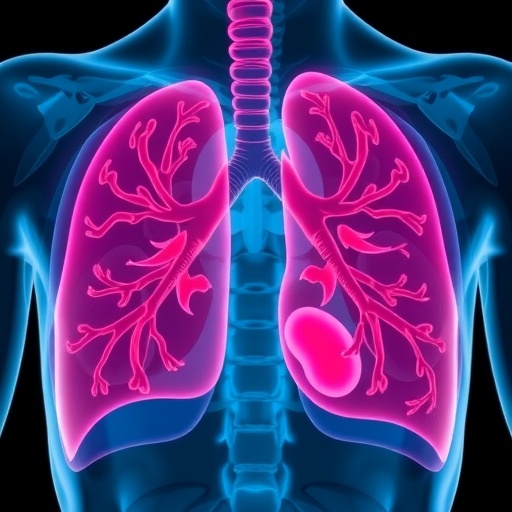
In the relentless battle against multidrug-resistant pathogens, Stenotrophomonas maltophilia stands out as a particularly formidable adversary. This opportunistic bacterium, increasingly recognized in clinical settings, poses a dire threat to immunocompromised patients, manifesting as severe and often fatal hemorrhagic pneumonia. The intrinsic resistance mechanisms of S. maltophilia drastically narrow the spectrum of effective antibiotics, complicating treatment strategies and elevating mortality risks associated with infection.
Antibiotic resistance in S. maltophilia has prompted an urgent need to reassess existing therapeutics and explore novel antimicrobial agents. Among the frontline antibiotics, levofloxacin (LVFX), a fluoroquinolone, has traditionally been among the most effective agents. However, burgeoning clinical reports underscore a worrisome rise in LVFX-resistant strains. This resistance emergence undermines the utility of levofloxacin, necessitating alternative solutions capable of bypassing or overcoming established resistance mechanisms.
Cefiderocol (CFDC), a newer siderophore cephalosporin antibiotic, has attracted attention due to its unique mechanism of bacterial entry and potent activity against multidrug-resistant Gram-negative bacteria. By exploiting bacterial iron transport systems, CFDC achieves enhanced penetration into bacterial cells, rendering it a promising candidate against stubborn infections like those caused by S. maltophilia. Nevertheless, its efficacy specifically in the context of hemorrhagic pneumonia induced by this pathogen had not been thoroughly evaluated prior to recent investigations.
Researchers from Osaka Metropolitan University, spearheaded by Dr. Waki Imoto, embarked on a detailed experimental study to elucidate and compare the therapeutic potential of CFDC and LVFX against S. maltophilia-induced hemorrhagic pneumonia. Utilizing a rigorously controlled mouse model, which closely simulates severe pulmonary infection, the study administered these agents to cohorts infected with lethal S. maltophilia strains. The experimental design aimed to quantify survival outcomes, bacterial load reductions, and histopathological changes to evaluate the relative efficacies of the two antibiotics.
The mouse model revealed compelling findings: both LVFX and CFDC administration led to statistically significant improvements in survival compared to untreated controls, indicative of their capacity to combat severe infection. Quantitative bacterial cultures from heart and lung tissues demonstrated marked reductions in bacterial burdens post-treatment, underscoring the antimicrobial potency in vivo. These results validate the clinical potential of CFDC as an alternative to LVFX, especially in light of increasing LVFX resistance.
Microscopic examination of lung tissues furnished further insights. Hemorrhagic damage, a hallmark of this pneumonic infection, was substantially ameliorated in both antibiotic-treated groups. However, subtle yet critical differences emerged: LVFX-treated mice exhibited minimal pulmonary hemorrhage, while CFDC-treated cohorts displayed slight residual hemorrhagic foci. This observation suggests a differential pharmacodynamic profile between the drugs, possibly linked to their tissue distribution, bacterial killing kinetics, or immune-modulatory effects.
Dr. Imoto posits that LVFX’s superior reduction in hemorrhagic lung damage may derive from its pharmacokinetic properties, including more effective penetration and accumulation in pulmonary tissues. This targeted delivery may facilitate prompt bacterial clearance and mitigate inflammatory vascular injury, which drives hemorrhagic manifestations. Conversely, while CFDC’s innovative siderophore-mediated uptake enhances bacterial access, its lung tissue penetration dynamics may differ, accounting for the observed variance in hemorrhage persistence.
The broader implications of this study carry significant clinical weight. With LVFX resistance trends alarmingly on the rise, reliance solely on fluoroquinolones is increasingly precarious. CFDC represents a viable alternative or adjunct therapy, capable of expanding the armamentarium against resistant S. maltophilia infections. Clinicians should, therefore, consider patient-specific factors, resistance profiles, and drug pharmacology to optimize treatment regimens, potentially integrating CFDC in cases where LVFX resistance compromises efficacy.
This investigation marks a critical advance in antimicrobial research, providing foundational evidence to guide therapeutic decision-making against challenging Gram-negative pulmonary infections. The dual demonstration of efficacy in survival enhancement and lung tissue protection underscores the translational relevance of these findings to human medicine. Moreover, the study exemplifies the power of experimental animal models to dissect nuanced drug-pathogen-host interactions and predict clinical outcomes.
Future research trajectories may focus on elucidating the molecular determinants of CFDC and LVFX distribution within lung microenvironments, immune response modulation during treatment, and resistance evolution under selective antibiotic pressures. Additionally, clinical trials are imperative to validate these preclinical results, refine dosing strategies, and evaluate potential synergistic combinations that could further suppress bacterial persistence and prevent resistance emergence.
The fight against multidrug-resistant infections is an evolving frontier. Discovering and optimizing effective drugs like CFDC while understanding the limitations and strengths of established agents such as LVFX is critical. Through meticulous scientific inquiry and translational research, the prospects for managing lethal infections by pathogens like S. maltophilia can be significantly improved, offering renewed hope for vulnerable patient populations worldwide.
As antimicrobial resistance continues to erode the efficacy of traditional antibiotics, the promising results from Osaka Metropolitan University with CFDC signify a pivotal step forward. By harnessing novel mechanisms of action and leveraging cutting-edge research techniques, the medical community can anticipate more robust and durable therapeutic options. This research not only highlights immediate clinical potentials but also inspires continued innovation in the quest to overcome multidrug resistance in dangerous bacterial pathogens.
Subject of Research: Animals
Article Title: Efficacy of cefiderocol and levofloxacin against Stenotrophomonas maltophilia in a hemorrhagic pneumonia mouse model
News Publication Date: 30-Jan-2026
Web References: DOI link
Image Credits: Osaka Metropolitan University
Keywords: Stenotrophomonas maltophilia, multidrug resistance, hemorrhagic pneumonia, levofloxacin, cefiderocol, antimicrobial therapy, bacterial infection, fluoroquinolone resistance, siderophore cephalosporin, lung infection, experimental study, antibiotic efficacy
Tags: antibiotic penetration via iron transport systemsantibiotics for immunocompromised patientscefiderocol for multidrug-resistant infectionsclinical challenges in treating S. maltophiliaefficacy comparison of cefiderocol and levofloxacinlevofloxacin resistance in stenotrophomonas maltophiliamanagingmultidrug-resistant gram-negative bacteria therapynovel antimicrobials for pneumoniaovercoming bacterial antibiotic resistancesiderophore cephalosporin mechanismtreatment of hemorrhagic pneumonia